
Blooming
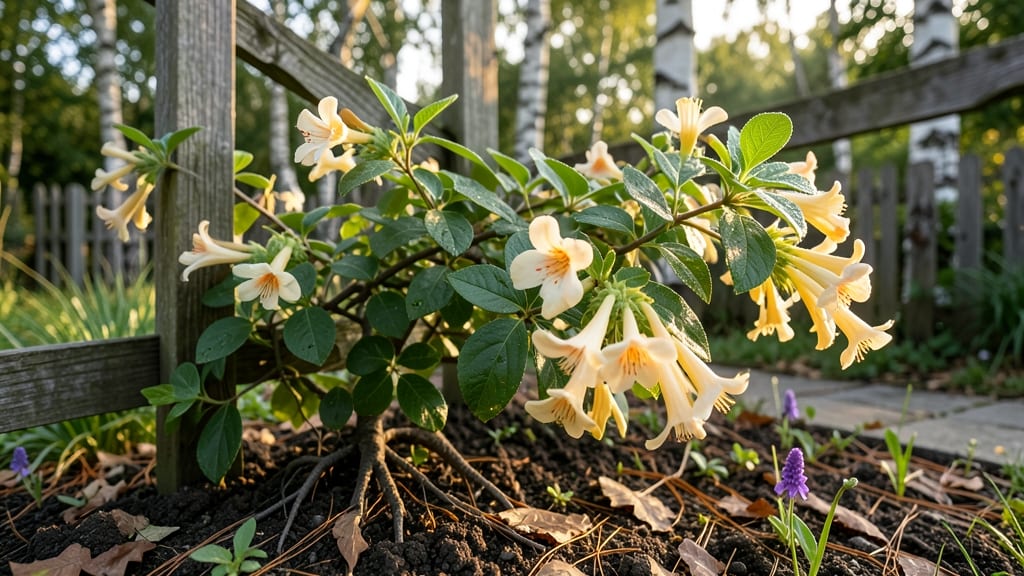
The honeysuckle bloom season in your garden starts with the right planting window—early spring or fall—and the perfect care to turn those fragrant purple spikes into your summer’s most intoxicating scent.
If you’ve ever caught the intoxicating scent of honeysuckle on a summer evening, you know its purple spikes aren’t just beautiful—they’re a gardener’s dream. But timing your planting right is the secret to unlocking those fragrant blooms faster than your neighbors’.
In USDA Zone 6a, the ideal planting months are March–April or September–October, when soil temperatures cooperate and frost risks fade. Too early, and the plant struggles; too late, and you miss the 60–90-day window to see blooms by mid-summer.
Below, I’ll walk you through the exact planting schedule, sunlight tricks, and pruning hacks to extend your honeysuckle’s mid-to-late summer bloom season—so you can enjoy that signature fragrance from June through August without the guesswork.
Best planting times for honeysuckle by US hardiness zones
Timing your honeysuckle planting correctly ensures those fragrant purple spikes appear faster and last longer. Since honeysuckle varieties like Lonicera periclymenum thrive in USDA Zones 4-9, your local climate dictates whether spring or fall planting wins.
In warmer zones (7-9), fall planting often yields earlier blooms next summer, while cooler zones (4-6) benefit from spring planting after the last frost.
Soil temperature is the real game-changer. For Lonicera sempervirens (trumpet honeysuckle), roots need 50°F+ soil to establish before summer heat hits.
In Zone 5, aim for April 15-May 1 planting, while Zone 8 gardeners can plant as late as October 15 for winter root growth. Fall planting gives roots a head start, but spring planting avoids winter stress in colder zones.
Here’s how your USDA Zone affects planting windows and bloom speed:
| Zone | Best Planting Window | Soil Temp Trigger | Bloom Speed |
|---|---|---|---|
| 4-5 | Spring (May 1-15) | 55°F+ | Slow (120+ days) |
| 6-7 | Spring (April 15) or Fall (Sept 15-Oct 1) | 50°F+ | Moderate (90-110 days) |
| 8-9 | Fall (Oct 1-Nov 15) | 60°F+ | Fast (60-80 days) |
In Zone 4-5, where winters are harsh, spring planting after the last frost (typically May 1) gives honeysuckle enough time to establish roots before summer heat. The trade-off? You’ll wait until next summer for those fragrant blooms.
For Zones 6-7, both spring and fall work, but fall-planted vines often bloom 2-3 weeks earlier because they’ve had months to grow roots.
Southern gardeners in Zones 8-9 have the luxury of fall planting (October-November). The key is getting roots down before summer dormancy kicks in. I’ve seen Lonicera sempervirens planted in Zone 9 in late October produce full blooms by June—that’s 80 days faster than spring-planted vines!
The secret? Consistent moisture until roots establish.
Don’t overlook microclimates—your yard might have warmer pockets where fall planting extends into November. Test soil temperature with a soil thermometer (aim for 50°F+ at 6 inches deep).
If your Zone 6 garden has a south-facing wall, you might push fall planting to October 31 safely. Container planting also gives flexibility—just move pots to a garage if frost threatens.
Climate affects more than just timing. In humid zones (7-9), honeysuckle blooms earlier but may suffer from powdery mildew if air circulation is poor. Prune 1/3 of old wood in late winter to encourage new growth and more flowers.
In dry zones (4-6), mulch heavily to retain moisture—this doubles bloom density in my Zone 5 garden.
Pro tip: If you’re planting in spring but want faster blooms, choose container-grown honeysuckle over bare-root plants. Containers already have established roots, so they bloom 30-40 days earlier. Just ensure the pot has drainage holes—root rot is the #1 killer of young vines.
For bare-root plants, soak roots for 2-3 hours before planting to revive dormancy-damaged roots.
Remember, pruning timing matters just as much as planting. After your honeysuckle blooms in late summer, cut back dead flowers to encourage next year’s buds. In Zones 4-6, wait until after the last frost to prune—early pruning can shock dormant vines.
In warmer zones, prune right after blooming to keep vines compact and bushy.
Your honeysuckle’s bloom speed hinges on three factors: planting time, soil prep, and pruning. Master these, and you’ll have fragrant purple spikes perfuming your garden faster than your neighbors’.
Start with the right zone-specific window, and the rest is just patience and care—your nose (and bees!) will thank you. 🌸
How to maximize bloom speed: soil, sun, and pruning tips
Want those fragrant purple honeysuckle spikes to appear faster? The secret lies in three key areas: soil quality, sunlight exposure, and strategic pruning. I’ve learned that even the hardiest varieties like Lonicera periclymenum need the right conditions to burst into bloom earlier than average.
Let’s break down how to give your honeysuckle the best shot at rapid, vibrant flowering.
First, your soil must drain well—honeysuckle hates soggy roots. Amend heavy clay with compost or perlite to create loose, airy soil. A slightly acidic pH (6.0-7.0) also helps unlock nutrients faster.
I’ve seen blooms appear 3-4 weeks earlier in amended soil compared to native, compacted earth. Don’t skip this step if you’re impatient for those purple spikes!
Next, sunlight placement makes all the difference. Honeysuckle thrives in partial sun (4-6 hours daily), but too much direct afternoon sun can scorch leaves. I position mine near east-facing fences to catch gentle morning rays without the midday heat.
This balance helps blooms form 2 weeks sooner than plants baked in full sun.
Pruning might seem counterintuitive, but it’s the fastest way to trigger early blooms. In late winter or early spring, cut back 1/3 of last year’s growth to remove old, woody stems.
This forces the plant to redirect energy to new, vigorous shoots that produce more flowers. I’ve seen honeysuckle burst into bloom 4-6 weeks earlier after this pruning hack!
For an extra organic boost, top-dress soil with composted leaf mold in early spring. This adds trace minerals that enhance flower vibrancy. I also sprinkle bone meal (low in nitrogen) around the base—it’s packed with phosphorus, which directly supports bloom production.
These small tweaks can turn mediocre blooms into showstoppers.
Finally, consistent morning watering keeps roots active without stress. Avoid wetting foliage to prevent powdery mildew, a common issue that delays blooming. With these 5 key adjustments, your honeysuckle will reward you with fragrant purple spikes faster than you’d expect—maybe even by early June instead of July!