
Blooming
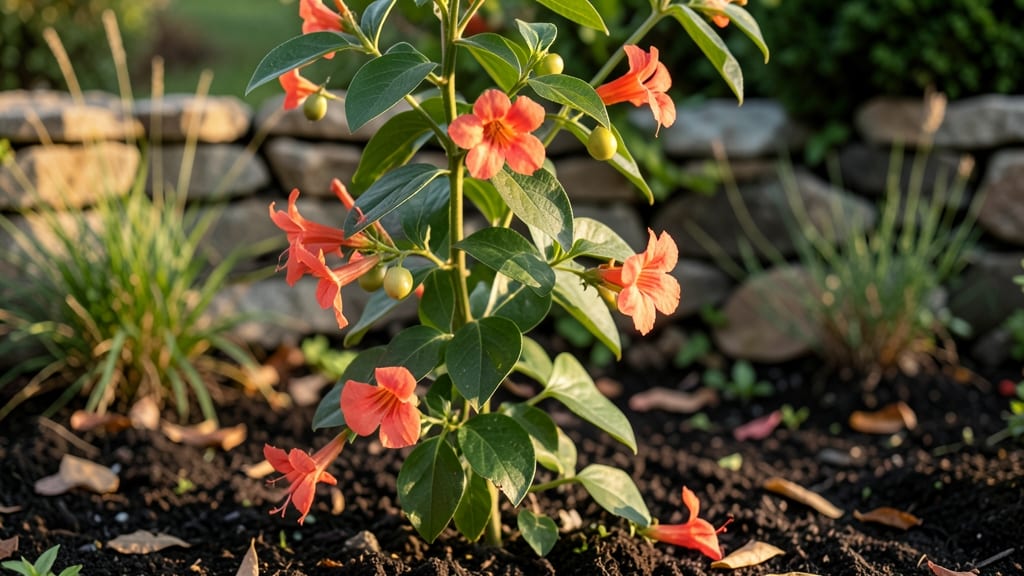
The coral honeysuckle bloom time varies by region, but most gardens see those bright red-orange flowers unfurl between late spring and summer 🌸 — a scent-filled spectacle that hummingbirds can’t resist.
If you’re dreaming of a fragrant, vibrant garden but don’t know when your coral honeysuckle will burst into color, timing depends entirely on your USDA zone. In Zone 6a, expect blooms to kick off around May, while Southern gardens may see them as early as April.
Getting the bloom time right means understanding sunlight needs, pruning strategies, and even soil conditions. A little extra care can turn a short-lived show into weeks of fragrant, hummingbird-friendly color.
Below, I’ll break down the exact months to watch for blooms in your area, plus pro tips to extend that vibrant display all summer long.
Coral honeysuckle bloom time by USDA Zone: month-by-month guide
Coral honeysuckle (Lonicera sempervirens) transforms gardens with its fragrant, tubular blooms, but the timing varies dramatically by USDA zone. In Zone 5, you might see first flowers in June, while Zone 10 gardens often enjoy blooms as early as March.
Understanding these regional patterns helps you plan for peak fragrance and hummingbird activity.
The key to predicting bloom time lies in last frost dates and temperature triggers. Coral honeysuckle typically blooms 4-6 weeks after last frost, but Southern climates often experience staggered blooming due to milder winters.
Let’s break down exactly when to expect those signature coral-red flowers in your area.
| USDA Zone | Early Bloom | Peak Bloom | Late Bloom | Notes |
|---|---|---|---|---|
| 5-6 | Late May | June-July | Early August | Short season; prune aggressively in spring |
| 7-8 | Early May | May-June | Late July | Longer bloom with consistent moisture |
| 9-10 | March-April | April-June | September | Staggered blooms; may rebloom after pruning |
In USDA Zones 5-6, where winters are harsh, coral honeysuckle often produces a single, concentrated bloom period from June to early August. The first flowers appear when soil temperatures reach 60°F (15°C), typically 4-6 weeks after last frost.
Northern gardeners should prune in late winter to maximize next year’s blooms.
Gardeners in Zones 7-8 enjoy a more extended show, with blooms starting as early as May and lasting through July. The Southern climate allows for staggered flowering, meaning you might see new blooms even after the initial peak. This makes coral honeysuckle a reliable hummingbird magnet for months.
For Zones 9-10, the bloom season begins remarkably early—in some cases, as soon as March—thanks to milder winters. These regions often experience two bloom cycles: one in spring and another in fall after pruning.
The longer growing season also means you can push blooms into September with proper care.
Regional variations matter! Coastal areas in Zone 9 may bloom 2-3 weeks earlier than inland regions due to moderating ocean breezes. Similarly, mountainous Zones 6-7 might see delayed blooms by 1-2 weeks compared to valley gardens. Pay attention to microclimates in your area for the most accurate predictions.
If you’re in a transition zone (like Zone 6b), your coral honeysuckle might struggle to bloom reliably without extra care. Focus on protecting roots from late frosts and ensuring full sun exposure. A mulch layer can also help maintain consistent soil temperatures for better bud development.
To maximize bloom time, deadhead spent flowers regularly—this encourages the plant to produce new blooms throughout the season. In Zones 5-7, this practice can extend the display by 3-4 weeks.
Pair this with light fertilization in early spring (using a 10-10-10 balanced fertilizer) to give your vine the nutrients it needs for vibrant, prolonged blooming.
No matter your zone, coral honeysuckle’s fragrant, tubular flowers are worth the wait. With the right timing and care, you’ll turn your garden into a hummingbird paradise from spring through summer. Mark your calendar now—your vine’s bloom spectacle is coming soon! 🌸
How to extend coral honeysuckle bloom time with pruning & care
Coral honeysuckle (Lonicera sempervirens) thrives when you give it the right care, especially during its blooming season. With strategic pruning and consistent maintenance, you can stretch those coral-red flowers from a few weeks to nearly the entire growing season.
The secret lies in understanding its natural growth cycle and how to encourage more blooms.
First, let’s tackle the most critical factor: sunlight exposure. Coral honeysuckle needs at least 6 hours of direct sun daily to produce abundant flowers. If your vine is in partial shade, consider relocating it or pruning nearby trees to open up the canopy.
This simple adjustment can double your bloom time by stimulating more flower buds.
🌸 5 Key Steps to Extend Coral Honeysuckle Bloom Time
- 1. Prune in late winter (before buds swell) to remove dead or crossing branches.
- 2. Fertilize lightly in early spring with 10-10-10 balanced fertilizer to boost growth.
- 3. Water deeply once a week (more in summer) to prevent stress-induced bud drop.
- 4. Deadhead spent blooms regularly to encourage continuous flowering.
- 5. Mulch around the base to retain moisture and protect roots during heatwaves.
Pruning is where many gardeners go wrong. Most people prune coral honeysuckle after it blooms, which removes next year’s flower buds. Instead, prune in late winter or early spring (just as buds begin to swell) to shape the vine and remove weak or crowded growth.
This gives your plant the best chance to produce longer, denser blooms.
Another game-changer is watering consistency. Coral honeysuckle is drought-tolerant once established, but uneven watering can cause buds to drop. Aim for 1 inch of water per week, either from rainfall or deep watering.
In USDA zones 8-10, where summers are hot, increase to twice-weekly watering during peak bloom.
Don’t overlook the soil! Coral honeysuckle prefers well-draining, slightly acidic soil (pH 6.0-7.0). If your soil is heavy clay or alkaline, amend it with compost or peat moss to improve drainage and nutrient availability.
A slow-release fertilizer in early spring will also give your vine the nutrients it needs to produce more flowers.
With these adjustments, your coral honeysuckle can bloom from late spring through early fall, turning your garden into a hummingbird haven. The key is patience and consistency—stick to the routine, and you’ll be rewarded with months of vibrant blooms! 🌿