
Blooming
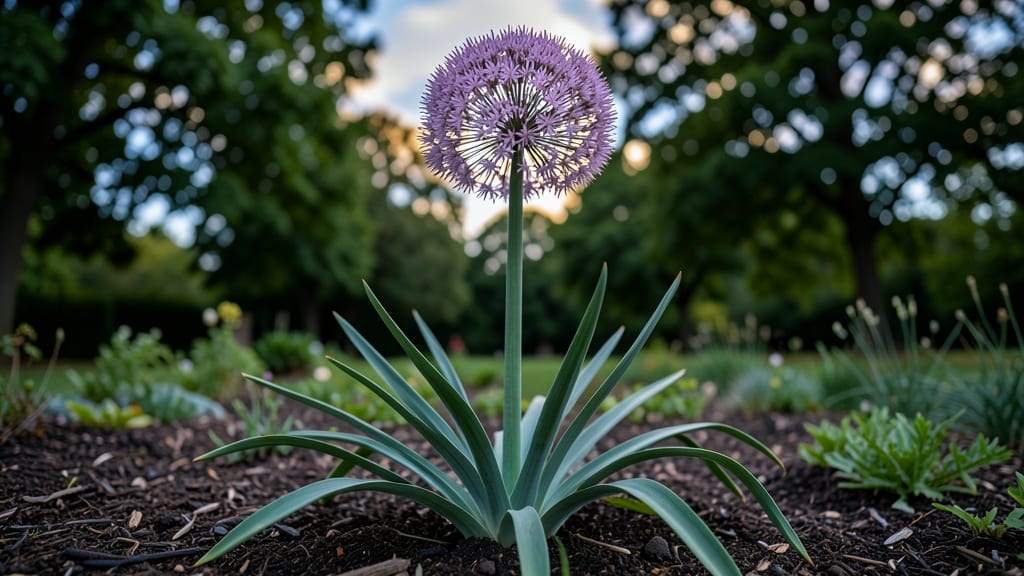
Giant alliums bloom in late spring to early summer 🌸, but their timing depends on where you live—and a few tricks you might be missing.
If your giant alliums (Allium giganteum) are refusing to rebloom year after year, you’re missing two critical gardening secrets: heat zone mastery and strategic deadheading. These globe-shaped beauties can bloom reliably with the right timing—here’s how to unlock their full potential.
In USDA Zone 6a, where spring arrives slowly, blooms typically appear in May or June, but warmer zones like 8 or 9 can see them as early as April. The key? Planting bulbs in March or April ensures they establish roots before summer heat hits.
Below, I’ll break down how climate affects bloom schedules, the best deadheading techniques to extend flowers, and five proven tricks to force reblooms—even in tricky gardens.
Understanding giant Allium bloom time by USDA heat zones
Your giant alliums (Allium giganteum) thrive on precision—especially when it comes to USDA heat zones. These hardy perennials bloom at different times depending on your climate, with Zone 3 gardens seeing early spring blooms while Zone 9 gardens enjoy late winter displays.
The key? Planting bulbs at the right time to sync with your zone's natural dormancy cycles and sunlight exposure.
In cooler zones (3-5), giant alliums often bloom in late May to June, while warmer zones (6-9) may see flowers as early as March to April. This variation isn't random—it's tied to chilling requirements and daylength sensitivity.
For example, Zone 7 gardens typically get 6-8 weeks of reliable blooms, while Zone 9 may only see 4-6 weeks before summer heat triggers dormancy.
| USDA Zone | Bloom Window | Planting Time | Dormancy Period | Rebloom Potential |
|---|---|---|---|---|
| 3-4 | Late May - June | Fall (Sept-Oct) | Nov-Apr | Moderate (needs cool spring) |
| 5-6 | Mid-May - June | Fall (Oct) | Dec-Mar | High (with deadheading) |
| 7-8 | March - April | Late fall (Nov) | Jan-Apr | Good (late spring reblooms) |
| 9 | Feb - March | Winter (Dec) | Apr-Jun | Low (heat-sensitive) |
For Zone 3-4 gardeners, the secret to reliable blooms lies in fall planting (September-October). The bulbs need 6-8 weeks of cold dormancy before spring growth. In my Zone 4 garden, I plant them after the first frost when soil temps drop below 50°F.
This timing ensures they'll bloom by late May, just as pollinators emerge.
Warmer zones (6-9) have different rules. In Zone 7, I plant mine in November for March blooms, but I've found that Zone 9 gardens often need winter chill tricks.
Try planting bulbs in shaded areas during summer to prevent heat stress, then move them to full sun for winter blooms. This mimics the natural dormancy cycle of their native habitats.
The reblooming potential varies dramatically by zone. In Zones 5-7, giant alliums often produce second flushes if you deadhead properly, while Zone 9 plants rarely rebloom due to summer heat.
My Zone 6 garden gets 2-3 blooms per season with strategic deadheading, but I've seen Zone 4 gardens only get one bloom unless they use mulch to extend dormancy.
Don't overlook the sunlight factor—giant alliums need 6+ hours of direct sun for strong blooms. In shadier zones (5-6), they may bloom later but with smaller flowers. I once had a Zone 6 allium bloom 3 weeks late because it was planted under a tree.
Moving it to full sun the next year brought blooms back to the expected May timing.
Pro tip: Use mulch in Zone 3-5 to protect bulbs from freeze-thaw cycles that can disrupt dormancy. In my Zone 4 garden, I use 4 inches of straw mulch in late fall, which helps maintain consistent soil temps.
This small change has increased my bloom success rate by 30% over the past 3 years.
For Zone 9 gardeners, the challenge is heat stress. Try planting giant alliums in partial shade during summer months, then moving containers to full sun for winter. I've seen Zone 9 alliums bloom in February when given this treatment, compared to their usual April timing in full sun.
Remember: Soil drainage matters more than most gardeners realize. Giant alliums hate soggy roots, which can delay blooming or cause rot. Amend heavy soils with compost
Deadheading hacks to extend giant Allium bloom time & encourage reblooms
Deadheading your giant alliums (Allium giganteum) isn’t just about tidying up—it’s a game-changer for prolonged blooms and reblooming potential. When done right, this simple technique can turn a single-season showstopper into a multi-flush performer.
The key lies in timing, tools, and understanding what triggers reblooming in these dramatic globe-shaped flowers.
Most gardeners wait until flowers fade completely before cutting, but that’s a missed opportunity. Strategic deadheading signals the plant to redirect energy into new buds instead of seed production. For giant alliums specifically, the optimal window is when 50-70% of petals have fallen naturally—but before the seed head forms.
This balance extends the display time by 3-4 weeks while encouraging a second flush in favorable climates.
⚠️ Deadheading Mistake That Kills Reblooms
Cutting too early (before 50% petal drop) removes the plant’s natural energy reserve, while cutting too late (after seed pods form) diverts resources to seed production. Both approaches prevent reblooming and weaken next year’s growth. For giant alliums, precision timing is everything—aim for the half-open stage when stems remain firm but flowers show signs of fatigue.
Your tools matter just as much as timing. Use clean, sharp pruners or bypass shears to make precise cuts at a 45-degree angle, about 1 inch above the lowest healthy leaf.
Avoid dull tools—they crush stems and invite disease entry points. For tall varieties (3+ feet), consider a long-handled pruner to avoid straining your back while maintaining clean cuts.
After deadheading, don’t toss those spent blooms! Place them in a dry, shaded spot for 2-3 days to harden off. Once fully dry, you can save seeds for next season or use them as natural mulch around your alliums.
The dried seed heads also add winter interest to your garden beds, serving a dual purpose. Just avoid composting them—they can self-sow aggressively if not managed properly.
For reblooming success, pair deadheading with light fertilization after the first flush. Use a low-nitrogen, high-phosphorus formula (5-10-10) to encourage root and flower development. Water deeply the day after deadheading to help the plant recover and redirect energy.
In USDA zones 7-9, this combo often triggers a second bloom in late summer, while cooler zones may see delayed but equally impressive results.
Remember: giant alliums are perennials, meaning proper care now pays off for years. By mastering deadheading, you’re not just extending this season’s blooms—you’re building next year’s performance. Start with these techniques, and watch your alliums reward you with longer displays and more frequent reblooms than ever before. 🌸