
Blooming
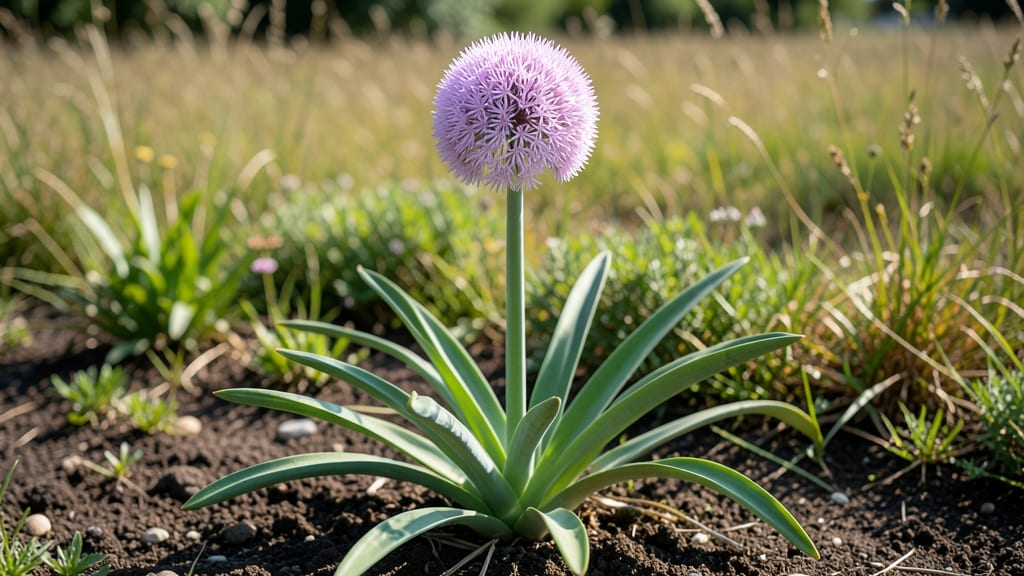
The Allium giganteum bloom time is one of those magical moments in late spring when your garden transforms with towering purple globes 🌷—but getting there depends on more than just luck.
If you’re growing Allium giganteum, you’ve probably noticed how quickly those dramatic blooms appear (or don’t) depending on where you live. In Zone 6a, for example, they typically burst into flower by early May, but a cooler spring can push that back by weeks.
What makes this perennial so fascinating is its rebloom potential: with the right care, you can coax repeat flowers year after year. The key lies in understanding your local climate, planting depth, and a few simple post-bloom tricks.
In this guide, I’ll break down exactly when to expect those show-stopping blooms in your zone, how to encourage them to return, and the 3 biggest mistakes that keep gardeners waiting for their second show.
Allium giganteum bloom time by USDA hardiness Zone: when to expect flowers
Allium giganteum—with its striking globe-shaped purple blooms—is a showstopper in late spring gardens. But when exactly will your plants flower? The answer depends on your USDA hardiness zone, local climate, and planting timing. In cooler zones like Zone 4-5, blooms typically appear late May to early June, while gardeners in Zone 8-9 often see flowers as early as April. Understanding these patterns helps you plan for maximum impact.
This ornamental onion thrives in full sun (6+ hours daily) and well-draining soil, but its bloom window shifts based on regional frost dates. For example, Zone 6 gardeners usually enjoy 6-8 weeks of flowering starting in mid-May, while Zone 7 plants may bloom 2-3 weeks earlier.
Warmer zones (like Zone 9) can even see second flushes of blooms if conditions are ideal.
If you’re in Zone 4-5, your Allium giganteum will likely bloom 4-6 weeks later than in Zone 8-9. This delay happens because cooler temperatures slow early growth.
To compensate, plant bulbs in fall (September-October) so they establish roots before winter. In warmer zones, you can push blooms even earlier by planting in early spring (February-March).
Another key factor is local microclimates. For example, a Zone 6 garden near a large body of water may bloom 2 weeks later than one inland due to cooler, moist air.
Similarly, urban areas with heat islands might see blooms 1-2 weeks earlier than rural spots. Pay attention to your garden’s specific conditions to fine-tune expectations.
For gardeners in Zone 7 and warmer, Allium giganteum often produces second blooms if you deadhead spent flowers promptly. Simply snip off the faded purple globes at the base to redirect energy into new growth.
In Zone 8-9, this can extend your display by 3-4 weeks, giving you flowers from March through June.
One common mistake is assuming Allium giganteum will bloom the first year after planting. In reality, bulbs need 6-12 months to establish before producing flowers. If you plant in fall, expect blooms the following late spring. For spring planting, delay flowering until next year.
To ensure timely blooms, focus on well-draining soil and full sun exposure. Amend heavy clay with compost or sand to prevent rot, and avoid overwatering once buds form.
In drought-prone zones (like Zone 9), mulch around bulbs to retain moisture during dry spells. These adjustments can shift bloom times by 1-2 weeks in either direction.
Pro tip: Mark your calendar when you plant bulbs and note the
Does Allium giganteum rebloom? How often and under what conditions
Allium giganteum is a perennial ornamental onion, but its reblooming habits can be confusing. While it’s not a reliable rebloomer like some perennials, it can return with flowers under the right conditions. Most gardeners see one strong bloom cycle per year, but with proper care, you might coax a second smaller bloom in late summer or fall.
The key to encouraging reblooms lies in three critical factors: deadheading, soil health, and sunlight exposure. Many gardeners mistakenly think Allium giganteum behaves like a biennial, but it’s actually a short-lived perennial—meaning it may decline after 3-5 years if not cared for properly.
Let’s break down what truly influences its reblooming success.
- 1 Deadheading: Remove spent blooms immediately after flowering to redirect energy to bulb storage for next year’s growth. Never leave seed heads—this drains the plant’s resources.
- 2 Soil drainage: Allium giganteum hates soggy soil. Amend heavy clay with compost or grit to prevent bulb rot, which can kill the plant before it reblooms.
- 3 Sunlight: Provide 6+ hours of full sun daily. In Zone 5 or colder, supplement with a cold frame in winter to protect bulbs from extreme cold, which can weaken reblooming efforts.
- 4 Fertilization: Feed with a balanced 5-10-10 fertilizer in early spring as shoots emerge. Avoid high-nitrogen fertilizers—these promote leafy growth over flowers.
- 5 Zone matters: In Zones 7-9, reblooming is more likely due to milder winters. In Zones 4-6, expect one strong bloom cycle per year unless you take extra protective measures.
If your Allium giganteum isn’t reblooming, check for common pitfalls. Overwatering or poor drainage can cause bulbs to rot, while shady locations reduce flowering energy. Even in ideal conditions, older bulbs (5+ years) may produce fewer blooms—dig them up, divide them, and replant for renewed vigor.
For zone-specific results, gardeners in Zone 8-9 often see two bloom cycles per year: one in late spring and another in fall. In Zones 4-6, focus on protecting bulbs over winter with mulch (3-4 inches) to encourage next year’s blooms.
Test your soil’s pH (6.0-7.0)—acidic soil can stunt growth.
Pro tip: Plant Allium giganteum near early-blooming perennials like daffodils or tulips to extend your garden’s seasonal interest. The contrasting heights (3-5 ft for Allium giganteum) create stunning visual layers while supporting each other’s growth cycles.
Remember, patience is key. Even with perfect care, Allium giganteum may take 2-3 years to establish enough energy for reliable reblooming. The effort pays off with dramatic, long-lasting blooms that draw pollinators and elevate your garden’s mid-to-late summer display. 🌷