
Blooming
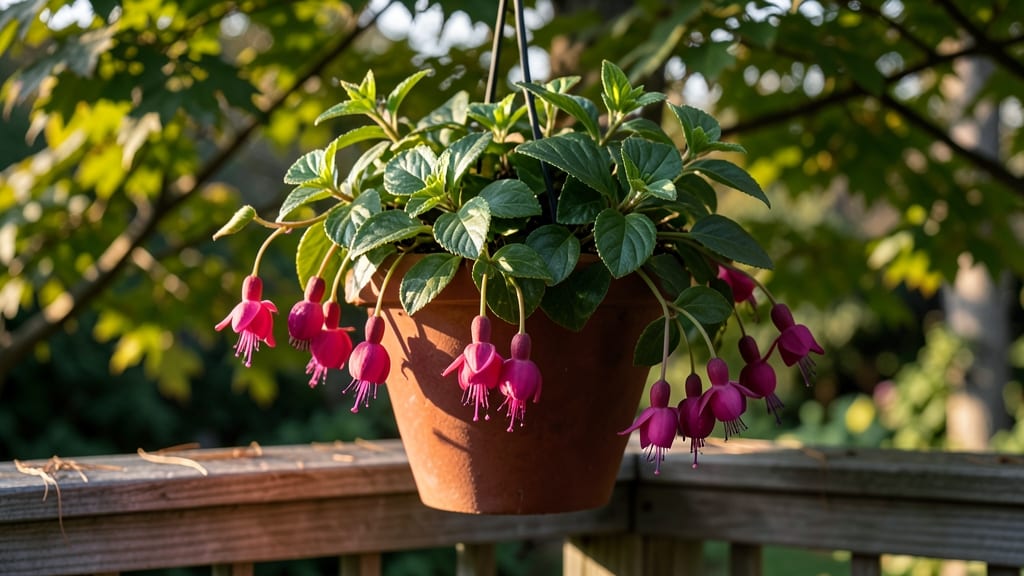
The fuchsia bloom time stretches from late spring through fall 🌸, offering a stunning display of dangling flowers that can last for months—but only if you know how to coax them along.
If you’ve ever wondered why your fuchsias aren’t blooming when you expect—or how to coax them into a second flush of vibrant flowers—understanding their bloom cycles is the key to a showstopping garden display.
Most varieties thrive in USDA Zone 6a and beyond, with hardy types flowering from June to October, while tender ones can extend their show into early winter in milder climates.
In this guide, you’ll discover how to time pruning, fertilize for longer blooms, and troubleshoot common issues—so your fuchsias put on a year-round performance, not just a seasonal one.
Fuchsia bloom time by variety: seasonal patterns explained
Fuchsias are famous for their vibrant, dangling blooms, but their bloom time varies dramatically depending on the variety and climate. Hardy fuchsias thrive in temperate zones, blooming from late spring to fall, while tender varieties may flower year-round in tropical climates.
Understanding these patterns helps you plan your garden for maximum color.
Light exposure plays a critical role in bloom timing. Morning sun encourages healthy growth, but afternoon shade prevents scorching, which can delay or reduce flowering. In hotter climates, fuchsias may even pause blooming during peak summer heat until temperatures drop.
Below is a detailed breakdown of bloom seasons for hardy, intermediate, and tender fuchsia varieties, including regional adaptations and light requirements to optimize your garden's floral display.
| Variety Type | Bloom Season (Temperate) | Bloom Season (Tropical) | Light Needs | Notes |
|---|---|---|---|---|
| Hardy (e.g., F. magellanica, F. riccartonii) | June–October | Year-round (with care) | Partial shade (3–6 hrs sun) | Cold-hardy; may dormant in winter. |
| Intermediate (e.g., F. 'Giant Marble', F. 'Lady Thumb') | May–November | Year-round (containerized) | Bright indirect light | Need winter protection in cold zones. |
| Tender (e.g., F. 'Apple Blossom', F. 'Tom Thumb') | April–December (with care) | Year-round | Dappled sunlight | Non-hardy; grow as annuals in cold climates. |
In temperate climates, hardy fuchsias like F. magellanica burst into bloom in late spring and continue until fall frost. These varieties often produce two bloom cycles: one in early summer and another in late summer, especially if you deadhead spent blooms regularly.
For intermediate varieties, such as F. 'Giant Marble', bloom time extends slightly earlier in spring and later into fall compared to hardy types. These plants are more adaptable to mild winters but may need container protection in freezing zones.
Tender fuchsias, like F. 'Apple Blossom', thrive in warm climates and can bloom year-round with consistent care. In cooler regions, they’re best treated as annuals, planted after the last frost and brought indoors before winter.
Light exposure directly impacts bloom timing. Fuchsias need 3–6 hours of morning sun to set buds but afternoon shade to prevent stress. In hotter zones, too much direct sun can cause bud drop, halting blooming entirely. Use sheer curtains or dappled shade to regulate light.
To extend bloom time, prune lightly after the first flush to encourage new growth. Avoid heavy pruning in late summer, as this can delay fall blooms. Fertilize with a balanced 10-10-10 formula every 4–6 weeks during the growing season to support continuous flowering.
In tropical climates, fuchsias may bloom year-round but often slow down during monsoon seasons due to excess humidity. Improve air circulation and reduce watering slightly to prevent fungal issues that can stress plants and reduce blooming.
For container-grown fuchsias, bloom time can be shortened if roots become root-bound. Repot every <
How often do fuchsias flower? Maximizing blooms year-round
Fuchsias are famous for their vibrant, cascading blooms, but their flowering frequency depends heavily on care and variety. Most hardy fuchsias bloom from late spring to fall, while tender varieties can flower year-round in warm climates.
With the right techniques, you can extend their bloom time dramatically—even encouraging a second flush in cooler seasons.
The key to continuous blooms lies in understanding their natural cycle. Fuchsias produce flowers on new wood, meaning they rely on fresh growth to set buds. If you prune correctly and feed them properly, you can trick your plants into blooming multiple times per season.
Let’s break down the exact steps to maximize those stunning bell-shaped flowers.
- 🌱 Prune in early spring to encourage new growth—this triggers bud formation.
- ✂️ Deadhead spent blooms weekly to redirect energy into new flowers.
- 💧 Water consistently—drought stress halts blooming instantly.
- 🌿 Fertilize every 4-6 weeks with balanced 10-10-10 during growing season.
- ☀️ Provide partial shade—full sun scorches leaves and reduces blooms.
For hardy fuchsia varieties, like ‘Giant Marble’ or ‘Lady Thumb’, a spring pruning is your first step. Cut back one-third of the plant in early spring to stimulate fresh growth.
This new wood will produce the heaviest blooms of the season, often starting in May or June and continuing until frost.
Don’t stop there—deadheading is non-negotiable. Pinch off spent blooms regularly to prevent seed formation, which drains energy. I’ve seen hardy fuchsias in my garden produce continuous blooms for 4-5 months when deadheaded weekly.
Pair this with a monthly fertilizer (like fish emulsion), and you’ll extend their season even longer.
In warmer climates, tender fuchsias can bloom year-round with minimal care. The trick is protecting them from heat stress—use shade cloth during peak afternoon sun and increase watering frequency. I’ve grown ‘Riccartonii’ fuchsias in Zone 8 that flowered from March through November with just these adjustments.
For a second flush in cooler areas, give your fuchsias a light pruning in late summer (around August) and a final fertilizer boost. This often triggers a late-season burst just as fall colors peak. Just remember: stop fertilizing by September to let plants harden off for winter.