
Blooming
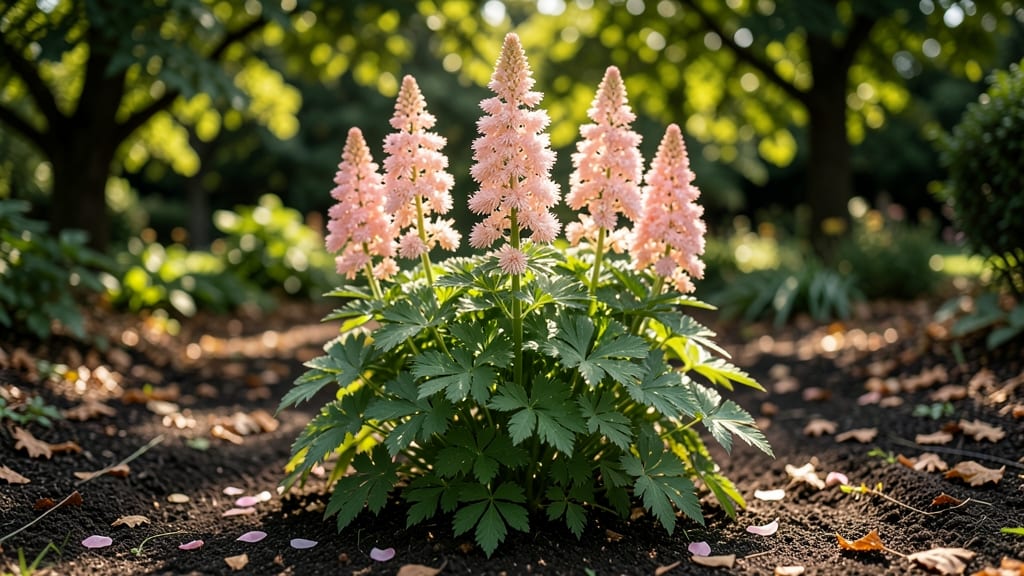
Your astilbe bloom season starts earlier than you might think — as soon as late spring for some varieties, with peak displays stretching into summer 🌸.
If you’ve ever wondered why your astilbe plants seem to bloom at different times each year—or how to time your garden for maximum floral impact—understanding the exact bloom season by variety is key.
Astilbes thrive in cooler climates, which means their flowering timeline shifts depending on whether you’re in a mild zone 6a or a warmer region. The right care—like consistent moisture and partial shade—can even push blooms a few weeks earlier or later.
Below, I’ll break down the month-by-month bloom windows for popular varieties, plus proven tips to extend those feathery plumes from early June all the way through August.
Astilbe bloom season by variety: month-by-month guide for first flowers
Timing your garden’s astilbe bloom season starts with knowing which varieties thrive when. These feather-like plumes burst into color from late spring to summer, but exact timing shifts based on USDA zones and cultivar.
In Zone 5, for example, early bloomers like Astilbe chinensis may start as early as May, while late-season Astilbe arendsii varieties peak in July-August. Understanding these differences helps you create a sequential bloom display that keeps your garden vibrant all season.
Climate plays a huge role—cooler northern regions (Zones 3–5) see blooms 2–4 weeks later than warmer southern zones (Zones 7–9). For instance, Astilbe japonica in Zone 7 might bloom in June, while the same variety in Zone 4 could wait until mid-July.
Adjust expectations based on your last frost date and microclimate. If you’re in a hotter zone, mulch heavily to protect roots from drying out during peak bloom.
| Variety | USDA Zones | First Bloom Month | Peak Bloom | Notes |
|---|---|---|---|---|
| Astilbe chinensis | 4–9 | May–June | June–July | Early bloomer; heat-tolerant |
| Astilbe japonica | 5–8 | June | July | Classic plume shapes; thrives in shade |
| Astilbe arendsii | 3–9 | June–July | July–August | Most popular; drought-tolerant |
| Astilbe simplicifolia | 4–8 | Late June | August | Late-season; great for cut flowers |
| Astilbe thunbergii | 5–9 | July | August–September | Tallest variety; needs staking |
For gardeners in Zones 3–4, extend the season by planting Astilbe arendsii varieties like 'Fanal' or 'Deutschland', which bloom 2–3 weeks later than early types. These late-season performers add color when other perennials fade.
In Zones 7–9, focus on Astilbe chinensis for earlier blooms—they often start as soon as April in mild winters. Pair them with Astilbe japonica for a June–July extension.
Color also influences timing—pink and red astilbes (like 'Glut') tend to bloom 1–2 weeks earlier than whites or purples. If you love sequential blooms, mix Astilbe chinensis (early) with Astilbe thunbergii (late) for a May-to-September display.
Deadhead spent blooms immediately to encourage second flushes, especially in Zones 5–8, where heat can stress plants.
Adjust your watering schedule based on bloom timing. During peak bloom months (June–July), increase watering to every 5–7 days to prevent bud drop. In Zones 3–5, mulch with 3
How to extend your Astilbe bloom season naturally (without chemicals)
Want your astilbe blooms to last longer and appear earlier or later in the season? The key lies in understanding how these fluffy plumes respond to natural care adjustments.
Unlike chemical treatments, organic methods like pruning timing, soil amendments, and watering strategies can shift bloom cycles without harming your plants or the environment. Let’s explore how to coax your astilbes into flowering when you want them to.
Astilbes naturally bloom from late spring to early fall, but their exact timing depends on your USDA zone and growing conditions. By making a few strategic adjustments, you can push blooms 2-4 weeks earlier or extend the season by 3-6 weeks.
The best part? These techniques work for all astilbe varieties, from Astilbe arendsii to Astilbe chinensis, without synthetic chemicals.
Natural Methods to Extend Astilbe Bloom Season
Early Blooms
- ✂️ Late-winter pruning: Cut back dead foliage in February-March to stimulate new growth.
- 🌱 Early fertilizer: Apply balanced organic fertilizer in late winter (e.g., compost or fish emulsion).
- ☀️ Gradual sunlight: Move plants to brighter partial shade in early spring.
Later Blooms
- 💧 Consistent moisture: Keep soil evenly moist during summer to delay stress.
- 🌿 Deadheading: Remove spent blooms in late summer to encourage reblooming.
- 🌳 Shade adjustment: Provide more afternoon shade in summer to slow growth.
Extended Season
- 🪴 Mulching: Add 2-3 inches of mulch in early spring to retain moisture.
- 🌱 Companion planting: Pair with hostas or ferns to create microclimates.
- 💧 Deep watering: Water deeply 2-3x/week during peak bloom season.
One of the most effective ways to extend blooms is through strategic pruning. For earlier flowers, prune dead stems in late winter (just as new growth begins). This removes competition for nutrients, allowing the plant to focus energy on new flower buds.
Conversely, to delay blooming, avoid heavy pruning until after the first flush of flowers in summer.
Your soil’s fertility plays a crucial role too. Astilbes thrive in moist, well-draining soil with a pH of 6.0-6.5. Amend your soil with compost or aged manure in early spring to provide a slow-release nutrient boost.
For later blooms, reduce nitrogen-rich fertilizers in mid-summer, as excess nitrogen promotes foliage over flowers.
Watering schedules can also shift bloom timing. Deep, infrequent watering (1-2 inches per week) encourages deeper roots and stronger stems. To extend the season, water early in the morning to reduce fungal risks and keep blooms vibrant.
Avoid evening watering, as damp foliage can invite powdery mildew, which weakens plants and shortens bloom periods.
Companion planting is another organic trick to lengthen your astilbe’s show. Pair them with shade-tolerant perennials like heuchera or coral bells, which help retain soil moisture and create a cooler microclimate.
This can delay heat stress in late summer, keeping your astilbes flowering well into September or October in cooler climates.
Remember, the goal is to work with your plant’s natural rhythms, not against them. By combining these organic methods—pruning, soil care, watering, and companions—you’ll enjoy longer, more vibrant astilbe blooms without relying on synthetic chemicals. Your garden (and your astilbes!) will thank you. 🌸