
Blooming
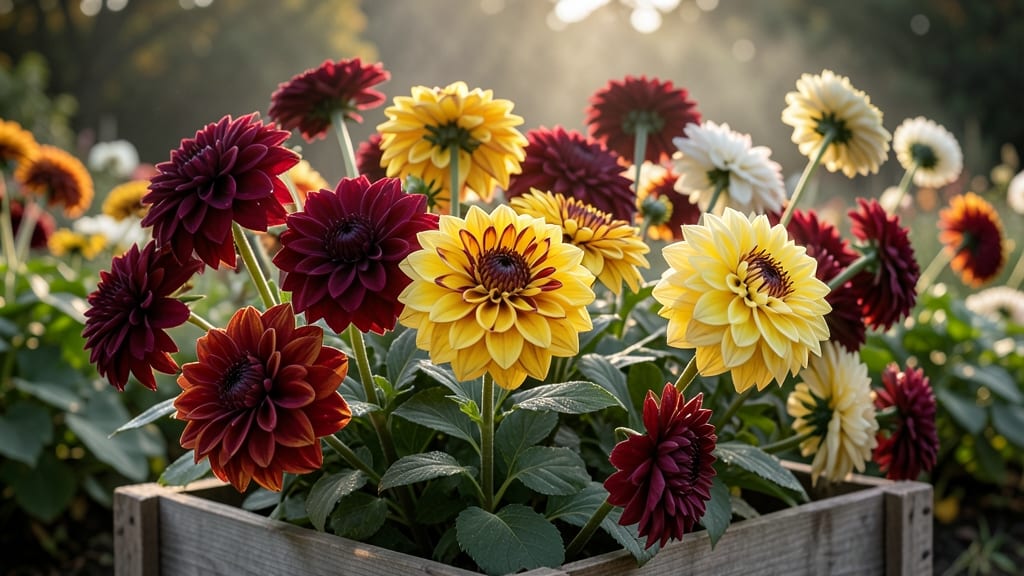
September gardens come alive with vibrant late-season blooms that add color and charm before winter. These 10 flowers thrive in cooler weather, offering extended beauty and attracting pollinators during the golden autumn months.
Goldenrod for Pollinator Gardens
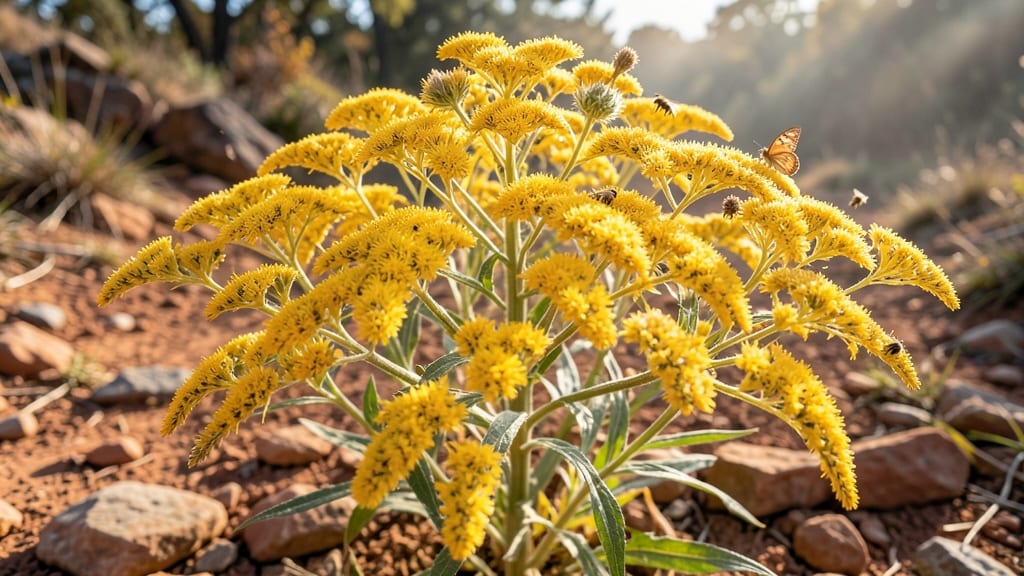
Goldenrod is the unsung hero of late-season pollinator gardens, bursting with bright yellow plumes that keep bees and butterflies buzzing until the first frost. Unlike its misunderstood reputation, this native perennial thrives in poor, rocky soils and full sun, making it perfect for neglected corners of your garden.
Plant goldenrod in full sun to partial shade and watch it grow 2-4 feet tall with feathery blooms that attract monarchs, bumblebees, and even hummingbirds. It's completely drought-tolerant once established, requiring minimal watering after the first year. Deadhead spent blooms to encourage more flowers and prevent self-seeding if you prefer controlled growth.
This hardy perennial is ideal for native plant gardens and wildflower meadows, offering both beauty and ecological benefits. Plus, its late-season blooms provide essential nectar when most other flowers have faded. 🌻
Japanese Anemone for Shade Gardens
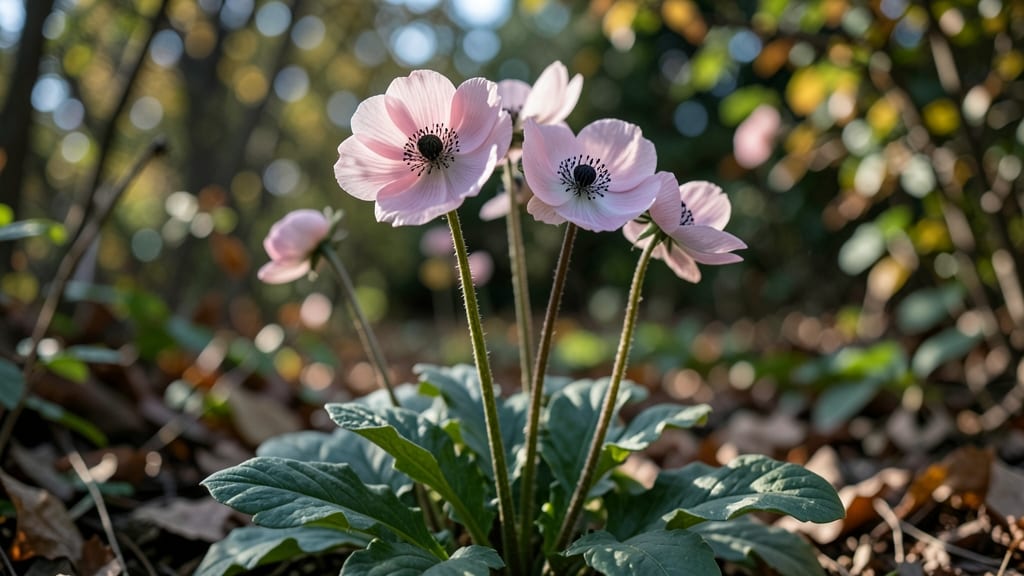
When your garden feels like it’s winding down in late summer, Japanese anemone steps in as a graceful savior. This underrated perennial thrives in shady spots where most flowers refuse to bloom, delivering soft pink flowers from August through October—just as other blooms fade.
With its delicate, paper-like petals, Japanese anemone makes stunning cut flowers that last up to a week in vases. Plant it in moist, well-drained soil with partial shade, and watch it reward you with late-season drama that butterflies adore. Its dark green foliage contrasts beautifully with hostas and ferns, making it a shade garden MVP.
Perfect for gardeners who love low-maintenance plants with high impact, Japanese anemone brings elegance without fuss—ideal for borders, woodland edges, or even containers. 🌷
Black-Eyed Susan for Drought Tolerance
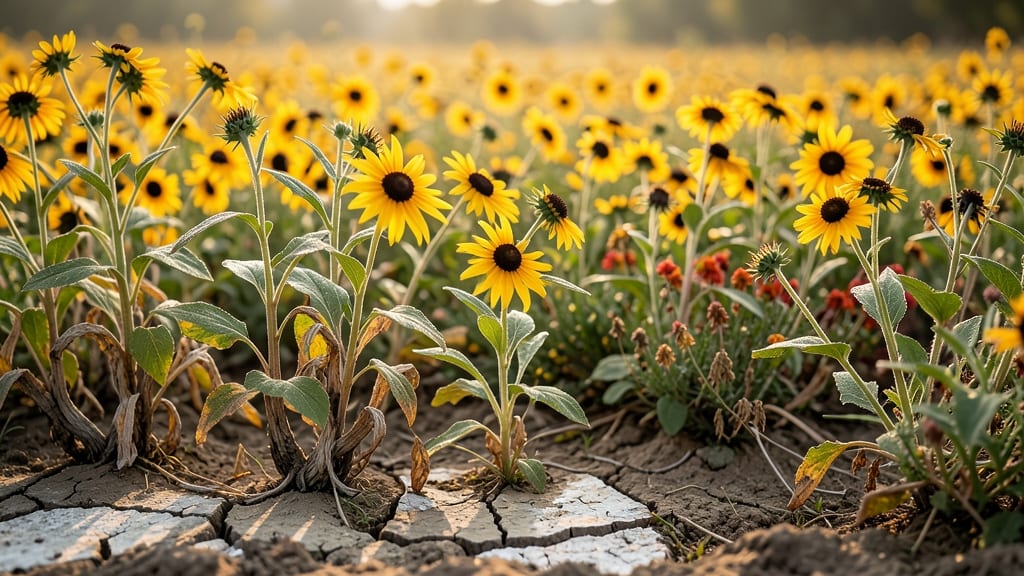
If your garden struggles with dry spells but you still crave vibrant color, Black-Eyed Susan (Rudbeckia hirta) is your secret weapon. This cheerful drought-tolerant perennial thrives in heat and poor soil, turning even the driest corners into a golden spectacle from July through October.
Plant it in full sun to part shade for the most prolific blooms, and let the cheerful yellow petals with dark centers brighten borders, meadows, or wildflower gardens. Deadhead spent blooms to encourage more flowers, and watch it self-seed for years of effortless color. It’s a pollinator favorite too, attracting bees and butterflies.
Perfect for low-maintenance gardens, Black-Eyed Susan even handles urban heat islands and poor soil, making it ideal for beginners or busy gardeners. 🌻
Aster for Butterfly Magnet
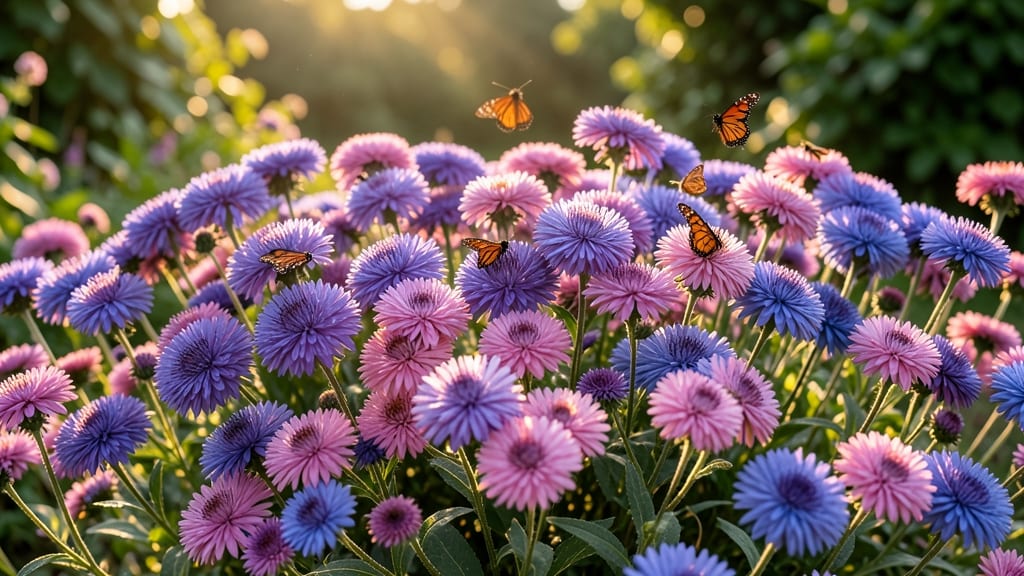
Watch your garden transform into a monarch butterfly haven with asters, the unsung heroes of late-season blooms. These cheerful clusters of purple, pink, or blue flowers burst into color just as summer fades, providing a vital nectar source for migrating butterflies and bees.
Plant asters in full sun where they’ll thrive in average garden soil—no special amendments needed. Varieties like New England aster or Symphyotrichum species bloom from August through October, creating a nonstop pollinator buffet. Deadhead spent blooms to encourage more flowers and extend the season.
Perfect for cottage gardens, meadows, or pollinator-friendly borders, asters bring effortless beauty with minimal care. 🌟
Chrysanthemum for Fall Color Variety
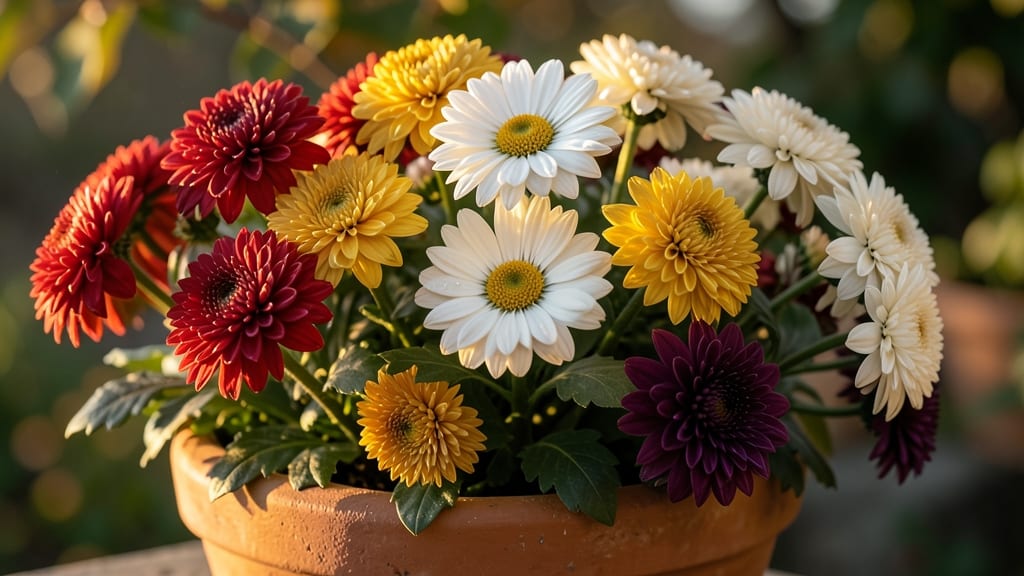
When you crave a burst of fall color that feels like a cozy sweater for your garden, chrysanthemums deliver in every shade imaginable. These annuals offer pom-pom, spider, and daisy-style blooms in fiery reds, golden yellows, creamy whites, and even deep purples—perfect for brightening up containers, window boxes, or garden beds as summer fades.
Chrysanthemums thrive in full sun to partial shade and prefer well-drained soil, making them ideal for both urban patios and rural landscapes. For longer blooms, deadhead spent flowers regularly, and choose varieties like 'Bonanza' for garden beds or 'Dendranthema' for container displays. They’re also deer-resistant, adding another layer of practicality.
Whether you're a beginner or a seasoned gardener, chrysanthemums bring effortless fall drama with minimal fuss—ideal for extending your seasonal color show. 🌻
Russian Sage for Fragrant Beauty
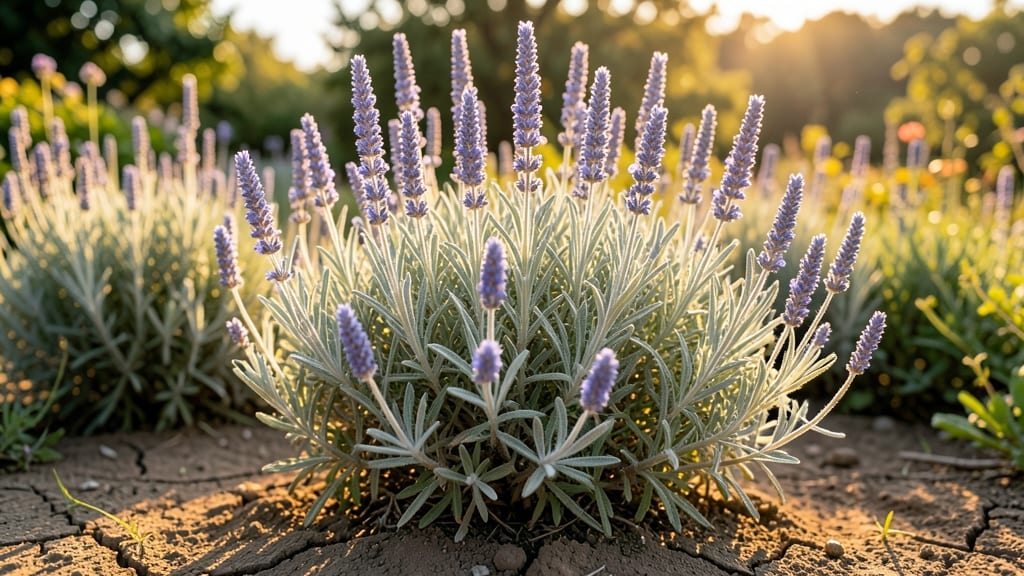
When you crave a fragrant, low-fuss plant that thrives in September’s golden light, Russian sage delivers with its silvery foliage and lavender-blue spikes that release a sweet, minty scent when brushed. This drought-tolerant beauty stands out in arid climates or neglected corners, where it blooms prolifically from mid-summer through fall.
Plant Russian sage in full sun with well-drained soil—it thrives in poor conditions and even deters deer with its aromatic leaves. Prune back stems in early spring to encourage bushier growth, and watch it reward you with months of color that hummingbirds and bees adore. Its airy, upright form also makes it perfect for borders or cottage-style gardens.
Ideal for busy gardeners or those with dry, sunny spots, Russian sage brings fragrance and texture without demanding attention. Pair it with late-blooming perennials like asters for a sensory-rich autumn display. 💚
Sedum for Succulent Blooms
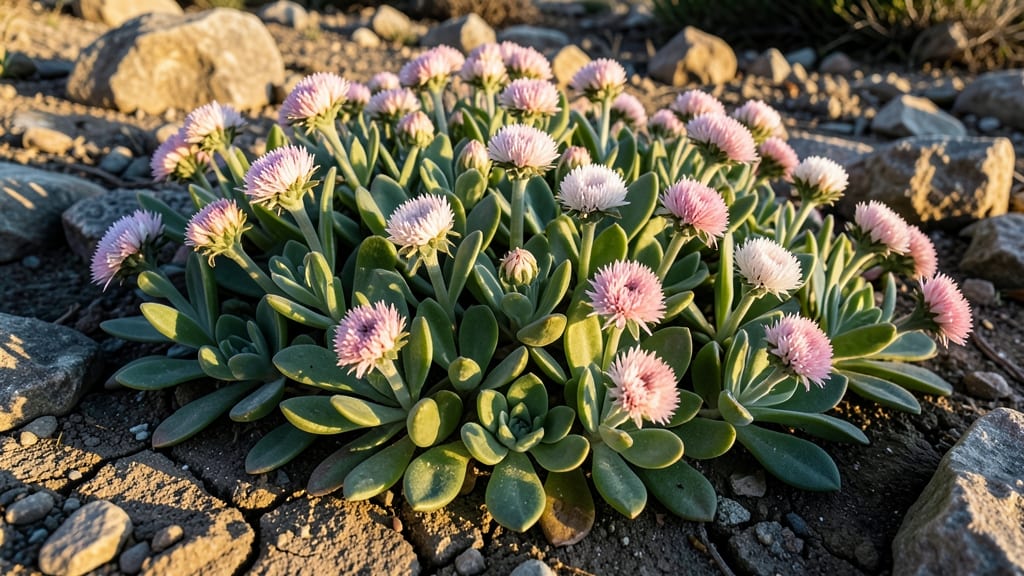
When your garden needs a tough, low-maintenance plant that delivers late-season color without fuss, sedum steals the show. These succulent powerhouses thrive in rocky, poor soils where other plants struggle, producing clusters of pink or white blooms that keep your garden vibrant well into October.
Plant sedum in full sun to part shade and watch it spread effortlessly, creating lush mounds of plump, water-storing leaves. Varieties like 'Autumn Joy' start as green buds and transform into deep pink blooms, while 'Matrona' offers striking white clusters. Leave the dried seed heads for winter interest, or cut them for dried arrangements that last all season.
Perfect for urban gardens, rockeries, or borders, sedum requires almost no care—just well-draining soil and occasional trimming. It’s the ideal choice for gardeners who want year-round beauty with minimal effort. 💚
Cockscomb for Unique Texture
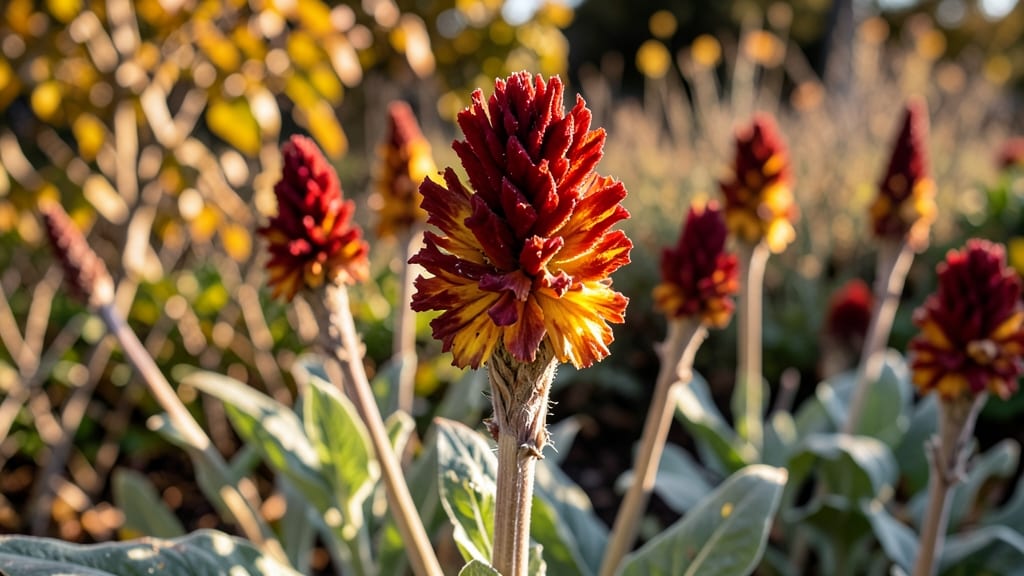
If you're craving a dramatic texture that turns heads in your fall garden, cockscomb (Celosia argentea) delivers with its velvet-like flower heads in fiery reds, oranges, and yellows. Unlike traditional blooms, these unique flowers resemble a rooster's comb—hence the name—and add a tactile, almost sculptural quality to arrangements.
This warm-climate superstar thrives in full sun and well-draining soil, making it perfect for USDA zones 2-11. With minimal care—just occasional watering and deadheading—it rewards you with bold, long-lasting color from summer through fall. Cockscomb also excels in cut flower arrangements, holding its shape beautifully in vases.
Ideal for container gardens, borders, or mixed beds, this low-maintenance annual brings instant drama with zero fuss. Plus, its drought tolerance makes it a dream for busy gardeners or areas with limited water. 💪
Liatris for Vertical Interest
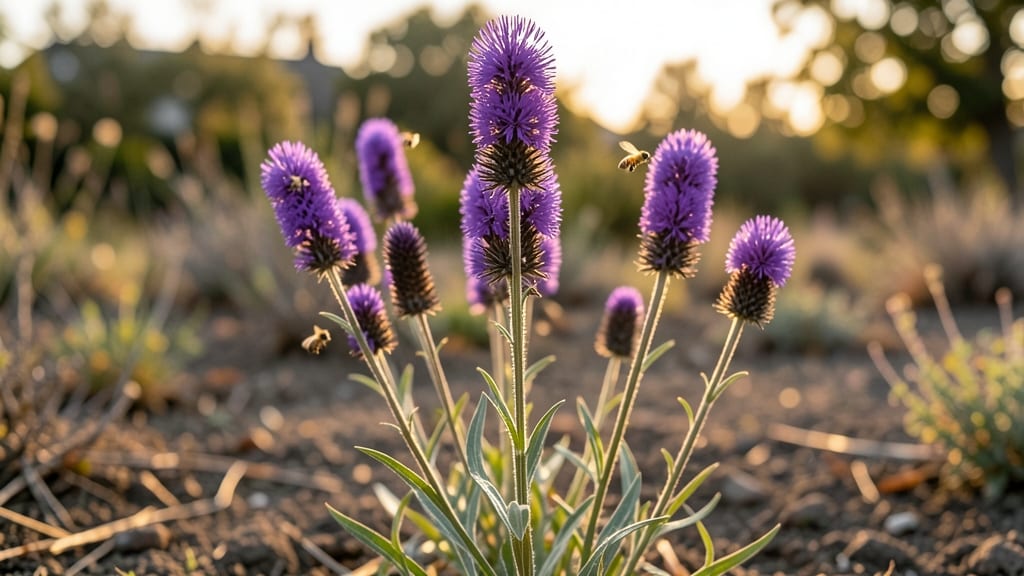
Looking to add vertical drama to your September garden without the fuss? Liatris (or gayfeather) delivers spiky purple blooms in tight clusters that grow straight up, creating natural vertical interest that draws the eye—and bees! These hardy perennials thrive in poor, dry soils where many plants struggle, making them perfect for cottage gardens or wildflower meadows.
Plant liatris in full sun for the most vigorous growth, and watch its tight flower spikes (1-3 feet tall) attract pollinators like bees and butterflies from late summer through September. They’re completely drought-tolerant once established, requiring minimal care beyond occasional deadheading to encourage more blooms. Their airy, feathery texture contrasts beautifully with bold foliage plants like coneflowers or grasses.
Ideal for beginner gardeners or those with challenging soil, liatris brings effortless vertical interest with zero maintenance. Pair it with other late-season bloomers like asters or sedum for a pollinator-friendly cottage garden that thrives on its own. 🌱
Dahlia for Late-Season Cut Flowers

If you dream of dinner-plate-sized blooms gracing your fall arrangements, dahlias are your secret weapon for late-season drama. These showstoppers continue flowering until frost, offering every color imaginable—from deep burgundy to sunny yellow—making them perfect for cutting gardens that keep giving.
Plant dahlias in full sun with well-drained soil and stake tall varieties to prevent flopping. Deadhead spent blooms regularly to encourage more flowers, and protect tubers from freezing by digging them up in fall or using mulch. Varieties like 'Café au Lait' or 'Arabian Night' deliver bold, layered petals that make stunning bouquets.
Ideal for flower enthusiasts who love high-impact blooms, dahlias transform fall arrangements into centerpieces. Just be prepared for their addictive beauty—once you plant them, you’ll never want to stop! ✨