
Blooming
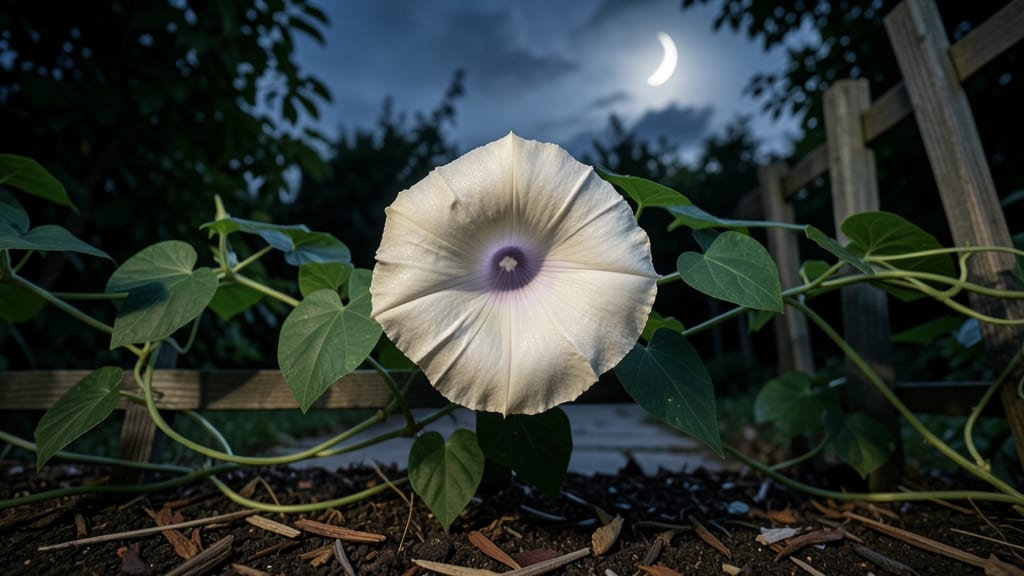
Moonlight-blooming flowers turn your garden into a twilight dream. 🌙 These ethereal plants open their petals after dark, revealing silvery blooms and intoxicating scents that transform your yard into a magical nighttime retreat. My favorite? Moonflowers that unfurl like delicate white lanterns by sunset, only to close by morning.
The secret to a stunning moonlit garden isn't just the flowers—it's the lighting. Soft, warm outdoor lights highlight their reflective petals while casting gentle shadows. Pair fragrant night-bloomers like jasmine with silvery foliage plants to create contrast.
You'll end up with a garden that feels alive even after the sun sets. These plants thrive with minimal fuss: most need well-draining soil, regular watering, and protection from harsh afternoon sun. The payoff?
A garden that smells like summer even at midnight, with blooms that glow under the moon's light. Perfect for creating a romantic, serene atmosphere in your outdoor space. Works in containers, borders, or as focal points along pathways. Here's how to design your own moonlit sanctuary—no black thumb required!
📚 In This Guide
- What you need
- Instructions
- Tips and common mistakes
- Wrapping up and next steps
What you need
- ● Night-blooming plants: Choose from Moonflower (Ipomoea alba), Evening Primrose (Oenothera biennis), Queen of the Night (Selenicereus grandiflorus), or Night-Blooming Cereus (Hylocereus undatus). (3–5 plants per variety for optimal display.)
- ● Well-draining soil: Mix 60% garden soil with 30% perlite and 10% compost for cacti/succulents; regular potting mix works for others.
- ● Containers or garden beds: For Moonflower/vines: Large pots (12–18" diameter) with trellises or climbing structures.
- ● For Cereus/cacti: Terracotta pots (10–12" diameter) with drainage holes.
- ● For Evening Primrose: Open garden beds (full sun exposure).
- ● Slow-release fertilizer: Balanced 10-10-10 NPK (1 tbsp per plant at planting time).
- ● Garden trowel or small shovel (for planting).
- ● Pruning shears (to trim dead blooms or vines).
- ● Watering can with a fine rose nozzle (avoid overwatering!).
- ○ Gloves (optional, for handling prickly cacti).
- ○ String lights or solar-powered path lights (optional, to highlight your moonlit display!).
- ● Location: Full sun to partial shade (6+ hours of sunlight daily for most varieties).
- ● Climate: Hardy to USDA Zones 3–11 (adjust care for frost-sensitive plants like Moonflower).
- ● Patience: Some blooms (like Queen of the Night) take 3–5 years to flower!
- ● Moonlight-reflective mulch (e.g., white gravel or polished stones).
- ● Fragrance boosters (e.g., Night-Scented Stock for added aroma).
- ● Garden journal to track blooming cycles and moon phases!
How to create a moonlit night-blooming garden display
Transform your garden into a magical nighttime retreat with these enchanting plants.
🌱 Step 1: Select the Right Night-Blooming Varieties
Start with four classic moonlit bloomers: evening primrose, moonflower vine, night-blooming jasmine, and queen of the night cactus. Each brings unique fragrance and visual drama after dark. I plant them in clusters of three to create focal points—place evening primrose near pathways where their golden blooms glow under moonlight, and tuck moonflower vines along trellises where they'll spill cascades of white flowers.
Check your hardiness zone first—most of these thrive in zones 7-11. If you're in cooler climates, opt for evening stock or night-scented stock, which handle temperatures down to 20°F and still perfume summer evenings. The key is matching each plant's natural blooming cues with your local lunar cycles.
☀️ Step 2: Position for Maximum Moonlight Exposure
Plant your display where moonlight naturally pools—open areas with minimal obstructions like trees or buildings. I test locations by observing where moonlight creates the brightest patches on the ground at 10:30 PM during a full moon. For containers, place them on elevated surfaces like benches or walls to catch reflected light from nearby surfaces.
Add reflective elements like smooth river rocks or polished metal accents near the plants. These multiply the light effect by bouncing moonlight onto petals. Avoid planting near artificial lights—streetlamps or porch lights can confuse night-blooming triggers and reduce fragrance production.
💧 Step 3: Adjust Watering for Nocturnal Bloomers
Water deeply in the late afternoon (around 4 PM) to give roots time to absorb moisture before nightfall. I use soaker hoses buried 2 inches deep to deliver water slowly—this prevents leaf wetness that invites fungal diseases like powdery mildew, which thrives in the humid night air these plants love.
Check soil moisture by feeling it at 8 PM—it should be damp but not soggy. Most night-bloomers store water in their stems and leaves, so they're surprisingly drought-tolerant once established. The exception is moonflower vine, which needs consistently moist soil to support its heavy vines.
✂️ Step 4: Prune Strategically to Encourage Nighttime Blooms
Deadhead spent flowers in the morning after they've opened at night. This redirects the plant's energy toward producing more blooms rather than seed development. For moonflower vines, I trim back leggy growth after the first flush of blooms—this forces bushier growth that produces more flowers.
Save your pruned stems! Dry them and bundle them with twine for winter arrangements. The dried flowers still release subtle fragrances when brought indoors, extending your moon garden's magic all year. Just avoid heavy pruning in late summer—you'll sacrifice the fall blooms that create your garden's nighttime highlight.
🪴 Step 5: Enhance the Experience with Scent and Light
Plant fragrant night-bloomers like jasmine near seating areas where you can enjoy their perfume. I add citronella grass around the perimeter—its lemony scent repels mosquitoes while complementing the floral aromas. For containers, mix in scented geraniums that release their fragrance when brushed by evening breezes.
Install subtle lighting like solar-powered path lights or string lights with warm white bulbs. Position them to cast gentle shadows rather than direct illumination—this creates depth and makes the moonlight effect even more dramatic. The goal is to enhance, not compete with, nature's own light show.
Tips & tricks for creating a moonlit night-blooming garden
These little details make all the difference when crafting your garden's nocturnal masterpiece.
Plant Pairing Strategy: Group your night-bloomers by fragrance intensity to create sensory layers. Place the most fragrant varieties like night-blooming jasmine near seating areas where you'll linger, while milder options like evening primrose can line pathways. I've found that positioning queen of the night cactus near reflective surfaces creates a stunning visual contrast when moonlight hits its silvery blooms.
Moonlight Testing: Before finalizing your layout, observe your garden at 10:30 PM during a full moon to identify the brightest moonlight pools. I mark these spots with temporary flags during the day to guide planting. The goal is to position your most dramatic bloomers where moonlight naturally accumulates—this creates the most magical visual impact when night falls.
Seasonal Adjustments: Night-blooming plants respond to lunar cycles, so time your planting to match your local moon phases. For summer displays, start with evening primrose and jasmine in early spring, followed by moonflower vines and cactus in late spring. In cooler zones, opt for hardier varieties like night-scented stock that can handle temperatures down to 20°F without losing their nocturnal charm.
Reflective Accents: Incorporate subtle reflective elements like polished river stones or metallic plant markers near your night-bloomers. These multiply the moonlight effect by bouncing light onto petals. I've had great success using copper accents—they develop a beautiful patina over time while enhancing the garden's ethereal glow.
Pro Tips for Flowers That Bloom In Moonlight
- These little details make all the difference when crafting your garden's nocturnal masterpiece.
- Plant Pairing Strategy: Group your night-bloomers by fragrance intensity to create sensory layers.
- Moonlight Testing: Before finalizing your layout, observe your garden at 10:30 PM during a full moon to identify the brightest moonlight pools.
Frequently asked questions
Which flowers are easiest to grow for nighttime blooms?
Start with Moonflower (Ipomoea alba) or Evening Primrose (Oenothera)—both are hardy, fast-growing, and thrive in warm climates. For cooler regions, Night-Blooming Cereus (Selenicereus) is a stunning cactus option that requires minimal care. Pro tip: Choose varieties native to your USDA zone for the best results!
How do I know when these flowers will open at night?
Most night-bloomers follow a circadian rhythm—typically opening just before dusk (around 7–9 PM, depending on the season). Moonflowers often unfurl within hours of sunset, while Evening Primroses may linger until midnight. Troubleshooting: If blooms are late, check for low light exposure or overwatering, which can delay opening.
Can I force flowers to bloom at night if they usually open in the day?
Some daytime bloomers (like Petunias) can be tricked into nighttime displays with artificial light exposure—place them under a grow light for 12+ hours daily, then turn it off to mimic darkness. However, this works best for annuals, not perennials. For true night bloomers, stick to species like Queen of the Night (Selenicereus grandiflorus), which are genetically programmed to shine after dark!
What’s the best way to keep night-blooming flowers healthy?
| Need | Solution |
|---|---|
| Watering | Water early in the evening (before 6 PM) to prevent fungal issues from overnight moisture. Aim for 1 inch per week. |
| Light | Ensure they receive full sun (6+ hours/day)—even night bloomers need daytime light to fuel their nocturnal show! |
| Soil | Use well-draining soil with compost to avoid root rot. Cacti/succulents (like Night-Blooming Cereus) need gritty mixes. |
Are there any flowers that bloom only at night?
Yes! The Queen of the Night (Selenicereus grandiflorus) and Moonflower (Ipomoea alba) are strictly nocturnal, opening only after sunset and wilting by dawn. Others, like Evening Primrose, may also bloom during the day but peak at night. For a guaranteed midnight garden, plant these alongside moth-attracting flowers (like Datura) to amplify the magic!
Wrapping up and next steps
Discovering the ethereal beauty of moonlight-blooming flowers transforms your garden into a magical sanctuary—one that sparkles under the night sky and captivates the senses.
From fragrant jasmine to luminous night-blooming cereus, these plants prove that nature’s most enchanting displays aren’t just for daylight. Now’s the time to embrace this nocturnal wonder: pick a few varieties, plan your moonlit oasis, and let your garden shine when the sun sets! 🌙✨
🌱 Next Steps to Create Your Moonlit Garden
- Start small: Choose 1-2 night-bloomers to test your space.
- Research local climates: Ensure your picks thrive in your zone.
- Share the magic: Invite friends for a moonlit stroll and admire your handiwork!