
Blooming
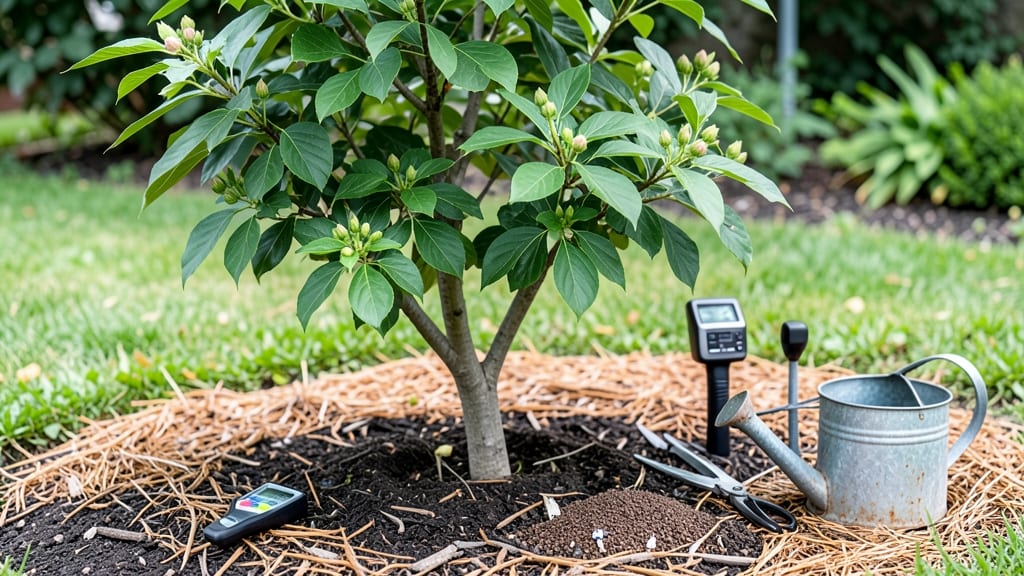
Your dogwood tree didn't bloom this year, and I get it—those delicate white or pink flowers are the highlight of spring. 🌸 After years of frustration with my own dogwood's silent springs, I learned the real culprits behind missed blooms: age, light deprivation, or last year's pruning mistakes.
The good news? Most issues are fixable with simple adjustments to sunlight, feeding, and timing.
First, check your tree's age—young dogwoods (under 5 years) often skip blooms while they establish roots. Older trees might need a balanced fertilizer in early spring to wake up dormant buds.
Too much shade? Thin nearby branches or move the tree to sunnier ground. And if you pruned last winter? That could've trimmed off next year's flower buds before they formed.
This spring, focus on two key fixes: apply a slow-release fertilizer in March and avoid heavy pruning until after blooms fade. Dogwoods bloom on old wood, so late-summer trimming is safer.
With these tweaks, you'll likely see flowers return within a year—just like my tree did after I stopped over-pruning and added morning sunlight.
For persistent issues, watch for pests like borers or fungal spots on leaves—those can stress the tree. A soil test might reveal nutrient deficiencies too. Most dogwoods bounce back fast once you address the root cause. Let's get yours flowering again next spring!
Understanding Missing Dogwood Blooms
When your dogwood tree skips its usual spring spectacle, it’s rarely a sign of neglect—it’s usually a response to environmental or biological factors. Below, we break down the most common reasons why your dogwood might have failed to bloom this year, grounded in science and actionable insights.
Dogwoods (Cornus florida) are sensitive to temperature extremes, both hot and cold. If your tree experienced any of the following, blooming may have been disrupted:
- Late Frosts or Early Freezes Dogwood buds form the previous summer and need consistent chill hours (300–900, depending on cultivar) to trigger flowering.
A sudden late frost (below 28°F) can kill flower buds before they open. 🌸💀 - Actionable fix: Plant in microclimates (e.g., near south-facing walls) to delay frost exposure. Choose cold-hardy cultivars like ‘Cherokee Brave’ or ‘Stella de Oro’ if your zone is marginal.
- Heatwaves During Bud Development If temperatures soared above 90°F while buds were swelling (typically February–April), they may have aborted due to heat stress.
Dogwoods also struggle with drought during bloom time, causing buds to drop. - Actionable fix: Mulch deeply (3–4 inches) and water consistently (1–1.5 inches per week) during bud set. Drip irrigation reduces stress better than overhead watering.
- Unusual Rain or Storms Heavy rain or wind during bloom can physically damage buds or wash away pollinators (like bees).
Flooding can also drown roots, starving the tree of nutrients needed for flowering. - Actionable fix: If storms were severe, prune dead/damaged branches post-season and monitor for fungal issues (e.g., anthracnose).
Dogwoods are light feeders but need balanced nutrition to bloom. Poor soil or imbalances can stall flower production.
- Nitrogen Overload Too much nitrogen (from fertilizers or compost) promotes leafy growth at the expense of flowers. Dogwoods prefer low-nitrogen, acidic soils (pH 5.5–6.5). - Actionable fix: Test your soil (DIY kits are affordable) and avoid high-nitrogen fertilizers.
Use a balanced, slow-release fertilizer (e.g., 10-10-10) in early spring only if the tree is otherwise healthy.
- Deficiencies in Key Nutrients Lack of phosphorus (P) or potassium (K) can delay blooming. Symptoms include: - Yellowing leaves (phosphorus deficiency) - Brown leaf edges (potassium deficiency) - Actionable fix: Apply a bone meal (for P) or wood ash (for K) in fall or early spring.
Avoid overdoing it—dogwoods prefer organic matter over synthetic boosts.
- Compacted or Poor-Draining Soil Dogwoods hate wet feet or clay-heavy soil. Poor drainage leads to root rot, which diverts energy away from flowering. - Actionable fix: Amend soil with compost or peat moss and ensure the planting site has good drainage.
If planting in clay, consider a raised bed.
If your dogwood is stressed by pests or pathogens, it may skip blooming to prioritize survival. Common culprits:
- Anthracnose Fungus 🍄 This fungal disease causes leaf spots, wilting, and defoliation, weakening the tree. Infected dogwoods often fail to bloom the following year. - Actionable fix: Prune infected branches in dormant season.
Apply copper fungicide in early spring before buds swell. Space trees for air circulation (3–5 feet apart).
- Borers or Scale Insects 🐜 Dogwood borers (larvae) tunnel into bark, while scale insects suck sap, both starving the tree. Signs: Oozing sap, sawdust-like frass, or sticky honeydew. - Actionable fix: Treat borers with beneficial nematodes (e.g., Heterorhabditis bacteriophora).
Use horticultural oil to smother scale in dormant season.
- Powdery Mildew While less deadly, this fungus covers leaves in white powder, reducing photosynthesis and energy for flowers.
- Actionable fix: Prune for airflow and spray with neem oil or baking soda mix (1 tbsp baking soda + 1 gallon water + a drop of soap).
Even healthy dogwoods need patience—they often bloom 3–5 years after planting. Other age-related factors:
- Young Trees Still Establishing Trees under 10 years old may not bloom annually. Focus on root and canopy growth first.
- Actionable fix: Be patient! Ensure proper watering and mulching to speed up maturity.
- Recent Transplanting Moving a dogwood stresses its roots, and it may skip blooming for 1–2 years while recovering.
- Actionable fix: Water deeply after transplanting and avoid fertilizing for the first year. Choose a permanent spot with full sun to part shade.
- Over-Pruning or Shearing Dogwoods bloom on old wood, so heavy pruning in late winter/early spring (when buds form) can remove next year’s flowers.
- Actionable fix: Prune only in late spring/summer after blooming. Remove no more than 25% of the canopy at a time.
Dogwoods thrive in dappled sunlight (4–6 hours of sun/day) but struggle in deep shade or harsh sun.
- Too Much Shade Without enough light, the tree can’t photosynthesize enough to produce flowers.
- Actionable fix: Thin nearby trees or move the dogwood to a sunnier location (but avoid hot, dry afternoon sun).
- Exposure to Scorching Sun In hot climates (Zones 7–9), dogwoods may bolt flowers due to heat stress.
- Actionable fix: Provide afternoon shade (e.g., with a lattice or nearby shrubs). Mulch heavily to retain moisture.
- Herbicide Drift or Soil Toxins Dogwoods are highly sensitive to glyphosate (Roundup) and other broadleaf herbicides. Even residual chemicals in soil can inhibit blooming.
- Actionable fix: If herbicide drift is suspected, flush the soil with water and avoid synthetic chemicals near the tree.
- Air Pollution or Urban Stress Trees in cities or industrial areas may suffer from ozone or sulfur dioxide, which damage stomata (leaf pores) and reduce flowering.
- Actionable fix: Mulch and water deeply to help the tree cope. Consider foliar sprays with antioxidants (e.g., seaweed extract).
Before diving into treatments, check these quick fixes: - Is the tree actually a dogwood? Some look-alikes (e.g., cornelian cherry) bloom later or differently. - Did it bloom last year? If it’s a first-time planter, blooming may just take time. - Are there any buds at all? If buds formed but dropped, it’s likely environmental stress.
If no buds, it may be nutrient or disease-related.
Revive Your Dogwood’s Bloom
If your dogwood tree skipped its usual spring show, don’t despair—there are practical ways to coax it back to life. Below, we’ve mapped out cause-specific fixes, along with prevention tips to keep your tree thriving for years to come.
Signs: Yellowing leaves, weak growth, or no blooms despite healthy foliage.
How to Fix It:
- Test your soil (🔹 DIY kits are affordable and easy). Dogwoods prefer slightly acidic soil (pH 5.0–6.0). If your soil is too alkaline, amend it with sulfur or peat moss to lower the pH.
- Feed with the right nutrients (🔹 Not all fertilizers are equal!). Use a balanced, slow-release fertilizer (like 10-10-10) in early spring before new growth starts. For extra blooms, add a phosphorus-rich fertilizer (like 5-10-5) in late winter.
- Mulch properly (🔹 3–4 inches of organic mulch keeps roots cool and retains moisture). Avoid piling mulch against the trunk—leave a 2-inch gap to prevent rot.
💡 Prevention Tip:
- Avoid over-fertilizing—too much nitrogen = lush leaves but no flowers. Stick to light applications in early spring and fall.
Signs: Wilting, leaf scorch, or sparse blooms despite good soil.
How to Fix It:
- Check sunlight exposure (🔹 Dogwoods love partial shade but need some sun). If your tree is in full shade, try thinning nearby branches or transplanting to a sunnier spot with dappled light.
- Water deeply but infrequently (🔹 1–1.5 inches per week is ideal). Drought stress can stunt blooms, but overwatering (especially in winter) can suffocate roots. Use a soaker hose for even moisture.
- Improve drainage (🔹 If water pools around the base, your tree may be sitting in soggy soil). Amend the soil with compost or sand to help water drain faster.
💡 Prevention Tip:
- Group dogwoods with native plants (like azaleas or rhododendrons) that share similar watering needs. This makes maintenance easier!
Signs: Brown, mushy bark, cankers, or no buds forming in spring.
How to Fix It:
- Prune damaged branches (🔹 Use sterilized tools to avoid spreading disease). Cut 1/4 inch above a healthy bud, and remove only dead/diseased wood—never prune more than 25% of the canopy at once.
- Treat fungal issues (🔹 Common in dogwoods: anthracnose or powdery mildew). Spray with a copper fungicide in early spring (before buds swell) and after rain. For prevention, avoid overhead watering and clean up fallen leaves (where fungi hide).
- Protect from late frosts (🔹 Dogwood blooms are frost-sensitive!). If your area gets late spring freezes, consider covering new buds with frost cloth or planting a frost-resistant variety (like Cornus florida ‘Cherokee Brave’).
💡 Prevention Tip:
- Plant in well-draining soil to prevent root rot, a common winter killer. If your yard floods easily, raise the planting mound slightly.
Signs: Healthy leaves but no flowers, or blooms that drop early.
How to Fix It:
- Prune at the right time (🔹 Never prune in late summer or fall—this removes next year’s flower buds!). The best time is late winter/early spring (just before buds swell).
- Thin out crowded branches (🔹 Too many branches = fewer blooms). Aim for an open, vase-like shape to improve airflow and sunlight penetration.
- Avoid heavy pruning (🔹 Dogwoods bloom on old wood). If you must prune for shape, limit cuts to 10–15% of the tree.
💡 Prevention Tip:
- Feed lightly in fall (🔹 A small dose of fertilizer in late summer can boost next year’s blooms without overstimulating growth).
If your dogwood shows severe cankers, oozing sap, or sudden dieback, it may need professional diagnosis. A certified arborist can check for bacterial infections, borers, or root issues that DIY fixes can’t handle.
Final Thought: With the right care, your dogwood can bounce back stronger—and next spring, you’ll be rewarded with stunning, healthy blooms! 🌸🌿
Frequently asked questions
My dogwood is 10 years old but still didn't bloom this year—what could be wrong?
Mature dogwoods (over 10 years) should bloom reliably, so this likely signals stress. Check for nutrient deficiencies (test soil pH—it should be 5.5-6.5) or root issues like compacted soil. If the tree looks otherwise healthy, try applying a balanced fertilizer in early spring and ensure it gets 4-6 hours of sunlight daily.
I pruned my dogwood last winter—could that have caused the lack of blooms?
Dogwoods bloom on old wood, so pruning in late winter/early spring removes next year's flower buds. Only prune in late spring/summer after blooming, and never cut more than 25% of the canopy. For this year, avoid pruning entirely to preserve potential buds.
My dogwood has leaves but no buds—what should I do now?
First, check for disease signs like leaf spots (anthracnose) or sticky residue (scale insects). If the tree looks healthy, apply a phosphorus-rich fertilizer (like 5-10-5) in late winter to encourage bud formation. Mulch heavily (3-4 inches) and ensure consistent watering (1-1.5 inches/week) during bud development (Feb-April).
Could extreme weather (like last year's drought or heatwave) have affected my dogwood?
Yes—dogwoods are sensitive to heat stress above 90°F during bud formation (Feb-April) and drought. If your area had extreme weather, the tree may have aborted buds to conserve energy. This spring, focus on deep watering (soaker hose) and mulching to protect roots from temperature swings.
Is there anything I can do to encourage blooms next year?
Start now! In fall 2024, apply a light organic fertilizer (like compost or bone meal) to boost phosphorus. Avoid heavy pruning, and if your tree is in shade, thin nearby branches to increase sunlight. For extra protection, consider a frost cloth if your area gets late frosts—dogwood buds are frost-sensitive!