
Blooming
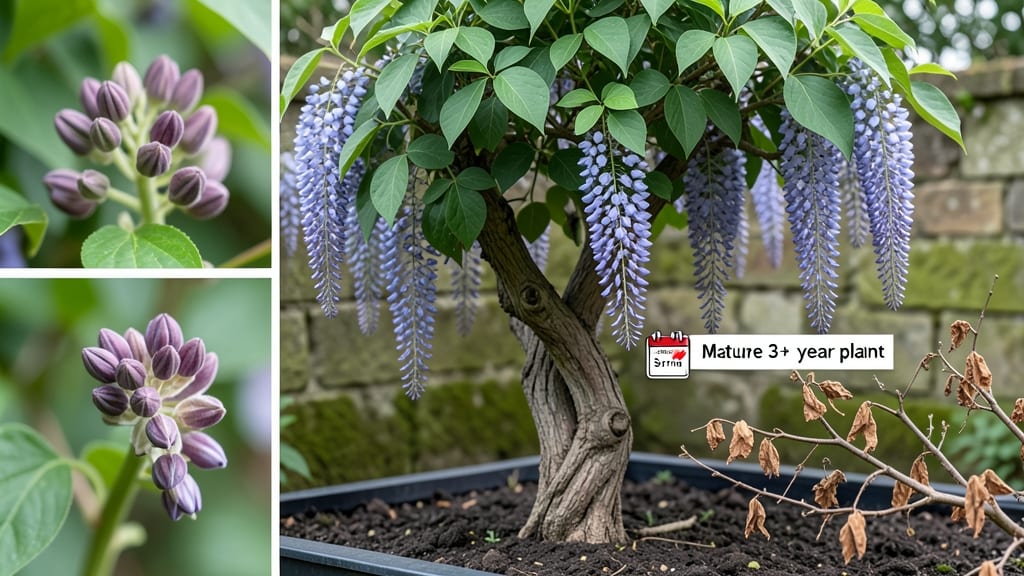
Wisteria does bloom every year once established, but young plants need 3–5 years before producing flowers, while mature vines show annual spring blooms that become more abundant with proper care and seasonal pruning.
Wisteria's annual blooming habit depends heavily on its age and overall health.
Young vines focus energy on root and vine growth rather than flowers, which explains that initial 3–5 year waiting period. 🌸 Once mature, these vines typically flower most vigorously in spring, though some varieties may produce occasional summer blooms.
The key factors that influence bloom intensity include consistent sunlight exposure, balanced soil nutrients, and proper winter dormancy—all of which create the perfect conditions for reliable annual displays.
What many gardeners don't realize is that wisteria's flowering cycle follows a strict biological pattern tied to its growth phases. The plant enters a period of dormancy in fall and winter, storing energy for the next year's blooms.
This means that any stress—like improper pruning or nutrient deficiencies—can directly impact the following spring's flower production. I've found that providing a well-draining soil mix with balanced fertilization in early spring gives my wisteria the best chance for consistent, abundant blooms each year.
💡 In This Article
- Wisteria Flowering Cycle: Why Some Years Are Heavier Than Others
- How to Encourage Reliable Wisteria Blooms Year After Year
Wisteria flowering cycle: why some years are heavier than others
Wisteria's annual flowering follows a precise biological rhythm tied to its growth phases. Young vines prioritize establishing roots and extending vines, which is why they skip flowering for the first 3-5 years. This early growth phase diverts energy away from flower production, a survival strategy common in many woody plants.
Once established, the vine enters its reproductive phase, typically producing blooms in late spring, though some varieties may have secondary blooms in summer if conditions are ideal.
The intensity of blooms varies yearly due to environmental factors. Wisteria requires full sun exposure—at least 6-8 hours daily—to trigger flower buds. Insufficient sunlight leads to weaker blooms or even skipped flowering.
Temperature also plays a critical role: wisteria needs chilling hours (300-500) below 45°F during winter dormancy to reset its biological clock for spring blooming. Without adequate cold exposure, the plant may produce fewer flowers or none at all.
Humidity levels matter too—too much moisture can encourage fungal diseases that stress the plant, while too little may cause buds to dry out before opening.
Nutrient availability directly impacts bloom quality. Wisteria thrives in well-draining soil with a slightly acidic to neutral pH (6.0-7.0). A deficiency in phosphorus, for example, can result in sparse blooms, while excess nitrogen promotes leafy growth at the expense of flowers.
The plant's energy storage system—starches accumulated in its roots and stems during summer—fuels the next year's blooms. This is why consistent feeding with a balanced 10-10-10 fertilizer in early spring can significantly boost flower production.
I've seen wisteria vines produce 30-50% more blooms in years when I've maintained proper fertilization schedules.
Seasonal dormancy is another critical factor. After the spring blooming period, wisteria enters a rest phase where it conserves energy. Proper winter care—like protecting the plant from harsh winds and ensuring it doesn't dry out—helps maintain its vigor.
What many gardeners overlook is that even mature wisteria can experience "off" years where blooms are lighter. This often happens after a particularly hot summer or if the plant was stressed by pests or improper pruning. The vine essentially "resets" its energy reserves, leading to reduced flowering the following year.
Consider this comparison: A healthy, well-cared-for wisteria vine can produce 100-200 flowers per stem in ideal conditions, while a neglected one might produce only 10-30 flowers. The difference comes down to consistent care throughout the year.
For example, a vine that receives regular pruning in late winter (removing dead wood and shaping the plant) will have better air circulation and sunlight penetration, both of which encourage stronger blooms.
The plant's ability to photosynthesize efficiently during the growing season directly correlates with how many flower buds it will develop for the following spring.
What's fascinating is how wisteria's flowering cycle mirrors its growth habit. The vine grows rapidly in spring and summer, then enters dormancy in fall. During this dormant phase, the plant's metabolic processes slow down, and it relies on stored nutrients.
If the previous growing season was strong, the vine will have more energy reserves to allocate to flower production. This is why gardeners often see heavier blooms in the second or third year after establishing proper care routines. The plant essentially "rewards" good growing conditions with more abundant displays.
Here's a key insight: Wisteria's flowering isn't just about age—it's about cumulative care. A 5-year-old vine that's been neglected might bloom less than a 3-year-old vine receiving optimal conditions.
Paying attention to these biological rhythms and environmental factors can transform your wisteria from a sporadic bloomer to a reliable annual spectacle. 🌸