
Blooming
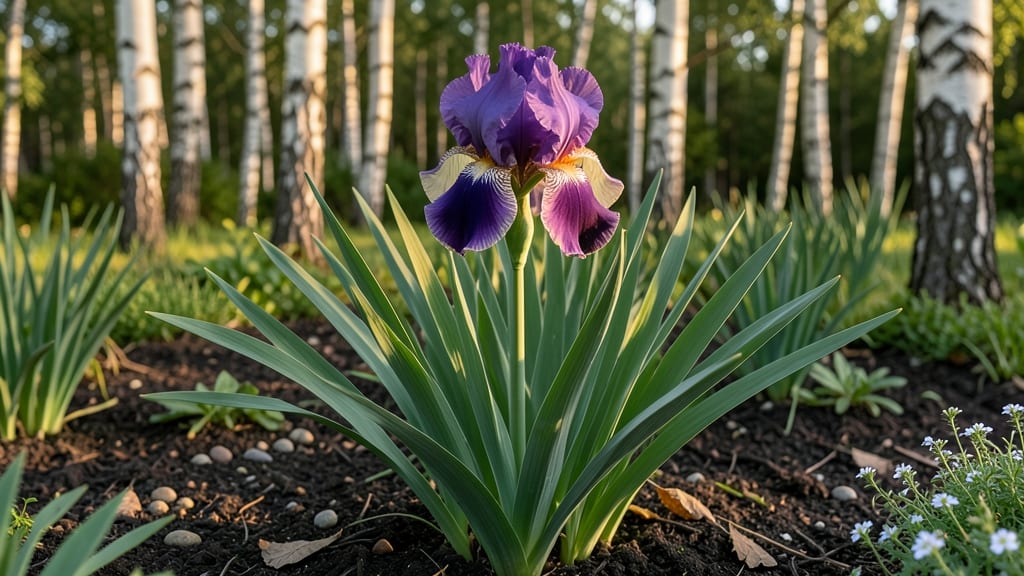
Yes, iris blooms every year, but the timing and frequency vary significantly based on the specific variety, local climate, and gardening practices. Most irises produce one stunning bloom cycle annually—typically in spring or early summer—while reblooming types can deliver two seasons of flowers if given optimal growing conditions.
Iris flowering habits are fascinating because they're directly tied to the plant's natural growth cycles. Bearded irises, for example, usually bloom once per year in spring, while Siberian irises often produce late-summer flowers.
The key to encouraging reliable blooms lies in mimicking their native conditions—providing well-draining soil, adequate sunlight (at least 6-8 hours daily), and proper dormancy periods. 🌸 In colder climates, winter mulching helps protect the rhizomes, while in warmer zones, summer shade can prevent stress.
Many gardeners swear by dividing mature clumps every 3-4 years to rejuvenate flowering potential.
What's interesting is how photoperiodism plays a role—these plants use daylight length to trigger bloom cycles. This means your location's latitude significantly impacts when (and how often) your irises will flower.
For instance, Louisiana irises thrive in humid climates and may bloom later in the season compared to their northern counterparts. The bottom line? With the right care, you can coax even more blooms from your irises than nature intended.
💡 In This Article
- Factors Influencing Annual Iris Blooming Cycles
- Tips to Encourage Yearly Iris Flowering
Factors influencing annual iris blooming cycles
Iris blooming patterns are primarily governed by their natural growth rhythms, which are heavily influenced by climate zones and variety-specific traits. The USDA hardiness zones 3-9 accommodate most iris species, but temperature extremes—especially frost exposure—trigger dormancy periods that reset their bloom cycles.
For example, bearded irises in Zone 5 typically bloom in late spring after winter dormancy, while Siberian irises in Zone 7 may produce late-summer flowers due to their tolerance of cooler summers. The key mechanism here is photoperiodism: irises use daylight length to signal when to initiate flower buds.
In northern latitudes, shorter days in winter break dormancy, while longer summer days in southern climates may delay or prevent second blooms in non-reblooming varieties. 🌿
Variety plays a crucial role too. Bearded irises store nutrients in their rhizomes during dormancy, which fuels their single spring bloom cycle. In contrast, Siberian irises have a more flexible growth pattern, often reblooming in late summer if given consistent moisture and partial shade during hot afternoons.
Louisiana irises, native to humid climates, may bloom later in the season (June-July) and sometimes produce sporadic second blooms if conditions remain favorable. The rhizome's nutrient reserves—typically 10-15% starch content—directly correlate with bloom quantity, which is why dividing mature clumps every 3-5 years restores vigor and flowering potential.
The science here involves carbohydrate metabolism: older rhizomes deplete their energy stores, leading to fewer blooms unless divided.
Soil conditions act as another critical regulator. Irises thrive in well-draining soil with a pH between 6.0-7.5, which prevents root rot and ensures proper nutrient uptake.
In heavy clay soils, adding organic matter like compost improves drainage and aeration, while sandy soils benefit from amendments like peat moss to retain moisture without suffocating roots.
The rhizomes' position above soil level (never buried) is vital—this exposure allows them to dry slightly between waterings, mimicking their natural habitat where seasonal drought triggers bloom initiation. Overwatering in winter can actually delay spring blooms by preventing proper dormancy, while underwatering in summer may cause buds to abort.
Climate interactions create fascinating regional variations. In Zone 8-9, where winters are mild, some iris varieties may bloom year-round if not given a proper dormancy period. Conversely, in Zone 3-4, severe winters can damage rhizomes if not protected with 3-4 inches of mulch.
The timing of frost also matters: early spring frosts can destroy emerging flower stalks, while late fall frosts may extend the growing season. Gardeners in transitional zones often use row covers or cold frames to protect blooms during unpredictable weather patterns.
The bottom line? Understanding your specific climate's microclimate helps you time care practices to align with your iris's natural bloom triggers. 🌡️
Let's examine how these factors play out in practice. In the Pacific Northwest (Zone 7-8), gardeners often see Siberian irises rebloom in late summer because the cool, moist climate extends the growing season.
Meanwhile, in the Midwest (Zone 5-6), bearded irises may produce their sole spring bloom earlier to avoid summer heat stress. The lesson here is that while all irises bloom annually under ideal conditions, their timing and frequency are finely tuned to local environmental cues.
By observing these patterns in your own garden, you can make small adjustments—like adjusting watering schedules or providing temporary shade—that make a big difference in bloom reliability.