
Blooming
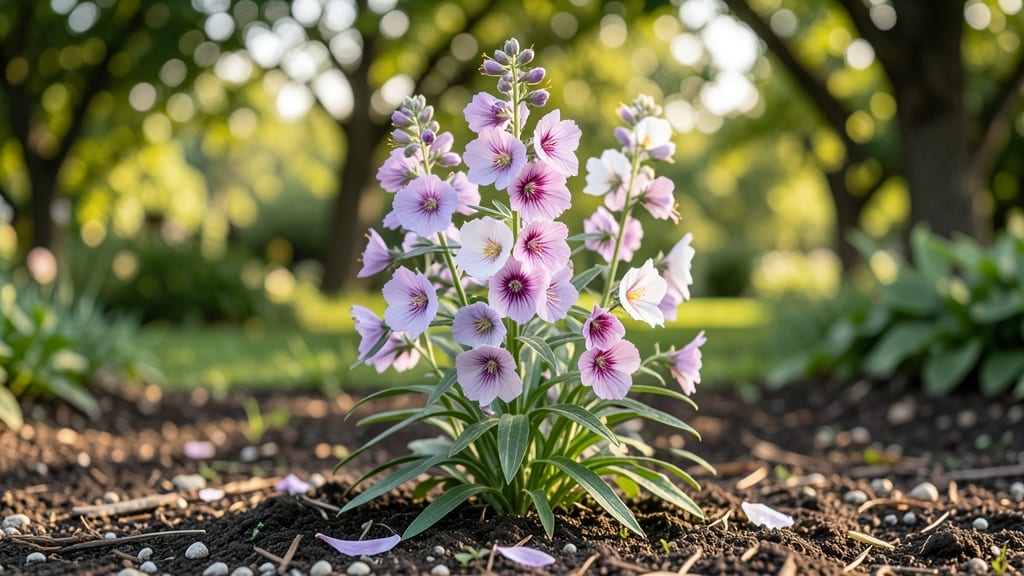
Stock plants can bloom all summer with consistent care, typically flowering from early June through late August or September, though extreme heat or drought may cause early dormancy. Regular deadheading keeps them producing vibrant blooms.
Stock plants thrive in summer's warmth, but their blooming depends on proper conditions. 🌸 The key is balancing moisture and temperature—too much heat or dryness forces them into dormancy. I've found that varieties like Matthiola incana handle heat better than others, but even these need regular watering to prevent stress.
Deadheading not only keeps flowers coming but also directs energy toward new buds.
What many gardeners miss is how photoperiod sensitivity plays a role—long daylight hours trigger blooming, but if nights stay too warm, plants may shut down early. 🌡️ Keeping soil evenly moist and providing afternoon shade during heatwaves can extend the season by weeks.
The goal is to mimic natural summer conditions without pushing the plant's limits.
💡 In This Article
- Understanding Stock Plant Bloom Cycles and Heat Adaptation
- Extending Stock Flowering Season: Practical Care Tips
Understanding stock plant bloom cycles and heat adaptation
Stock plants (Matthiola incana) rely on a delicate balance of temperature and daylight to trigger their summer blooming cycle. These biennials enter their flowering phase when exposed to 14-16 hours of daylight—a condition naturally met during June and July in most temperate climates.
The plant's internal clock, called the circadian rhythm, responds to these long days by producing florigen, a hormone that initiates bud formation. However, when nighttime temperatures consistently exceed 75°F, this process can stall or even reverse, causing buds to drop prematurely.
The science behind this involves heat stress proteins that activate when temperatures rise above 85°F. These proteins prioritize cell survival over flowering, redirecting energy toward cooling mechanisms like transpiration.
You'll notice this stress in wilting leaves or buds that turn brown and crispy at the edges—a clear sign the plant is conserving water rather than producing flowers. 🌡️ Interestingly, stock plants from Mediterranean climates (their native habitat) have adapted to handle brief heatwaves, but prolonged exposure forces them into a survival mode called summer dormancy, where growth halts until cooler weather returns.
What makes stock's blooming pattern unique is its thermoperiod sensitivity—the difference between day and night temperatures. While daytime warmth encourages growth, nights above 70°F can prevent proper bud development.
This is why gardeners in hot climates often see blooming peak in early summer but taper off by August, even with consistent watering. The plant's natural defense mechanism kicks in when it detects prolonged stress, causing it to "shut down" blooming until conditions improve.
Identifying early dormancy signals is crucial for intervention. Look for bud drop (flowers falling before opening), yellowing lower leaves, or a general leggy, sparse growth habit—all signs the plant is conserving energy.
Unlike annuals that may rebloom, stock plants often enter a dormant state where new growth halts until temperatures drop below 65°F at night. This adaptation explains why some gardeners report their stock plants "disappear" in August only to return with vigor in fall.
One fascinating aspect is how stock plants rebloom in cooler fall weather. The same photoperiod sensitivity that triggered summer blooms can restart in September when days shorten slightly and nights cool.
This second flush often produces even more abundant flowers, as the plant has stored energy from its first growth cycle. Understanding this cycle helps gardeners plan for a two-phase blooming season—one in summer and another in fall—rather than expecting continuous summer flowers.
For those in USDA Zones 7-9, where summer heat is intense, selecting heat-tolerant varieties like 'Giant White' or 'Ruby Glow' can extend blooming by 2-3 weeks. These cultivars have slightly thicker leaves that retain moisture better, delaying the onset of dormancy.
The key takeaway? Stock plants don't bloom continuously because their biology is designed for seasonal adaptation, not perpetual flowering—though proper care can maximize their summer display while preparing them for fall reblooming. 🌸