
Blooming
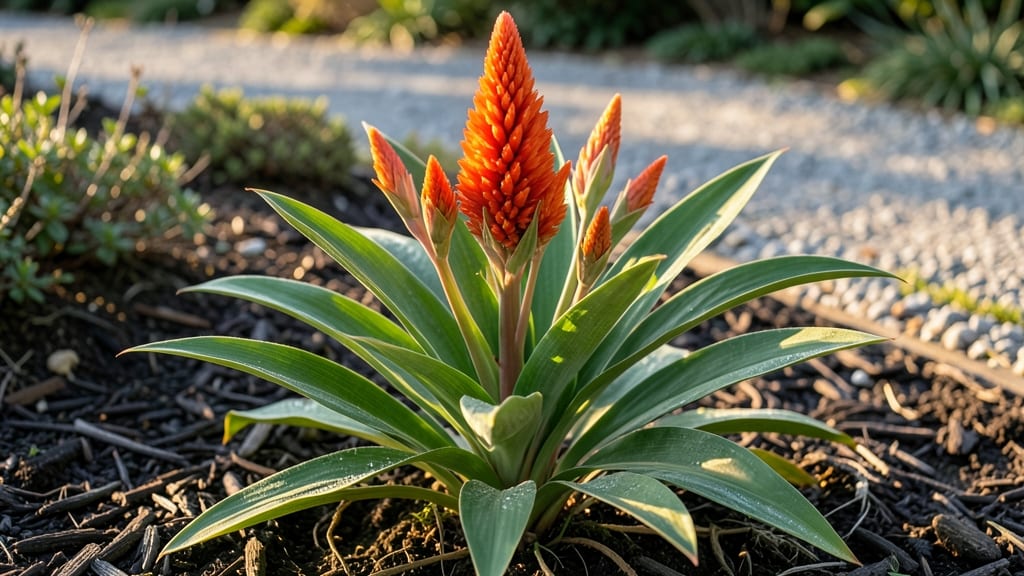
Celosia blooms all summer in warm climates, producing vibrant flowers from early summer until frost, though some varieties may slow in extreme heat or drought without consistent moisture and sunlight exposure.
Celosia thrives as a heat-loving annual, with its flowering triggered by warm temperatures—typically 75°F or higher. 🌡️ The plumed varieties often outperform others in prolonged summer heat, while crested types may need occasional shade to prevent wilting.
What sets celosia apart is its ability to rebloom after deadheading, making it a gardener's workhorse for continuous color.
For those in hotter regions, maintaining consistent moisture (without overwatering) and using mulch helps preserve blooms. I've found that balanced fertilizer with phosphorus boosts flower production, while afternoon shade during peak summer can prevent stress.
The key is monitoring your plants—celosia tells you when it needs attention through drooping leaves or slowed blooming.
💡 In This Article
- How Heat and Variety Affect Celosia Flowering Cycles
- Tips to Extend Celosia Blooms Through Late Summer
How heat and variety affect celosia flowering cycles
Celosia’s blooming habits are directly tied to its tropical origins, where it evolved to thrive in consistent warm temperatures between 75-95°F. The plant’s flowering mechanism is triggered by photoperiodism—long daylight hours—but heat acts as the primary accelerator.
At 80°F and above, celosia enters its peak blooming phase, producing flowers that mature in just 6-8 weeks from seed. This rapid growth explains why it’s often called the "woolly rose" or "cockscomb" for its dramatic, flame-like blooms.
The three main varieties—plumed, crested, and upright celosia—respond differently to heat. Plumed types, like 'Pink Flamingo,' handle intense summer sun best, continuing to bloom until frost.
Crested varieties, such as 'Crested Salmon,' may slow in prolonged 95°F+ heat without afternoon shade, while upright varieties like 'New Look Red' focus energy on vertical growth rather than flowers during extreme conditions. 🌡️ The key difference lies in their heat tolerance thresholds: plumed celosia can withstand up to 100°F with proper watering, while crested types often wilt above 90°F.
Temperature fluctuations also play a critical role. Celosia blooms respond to day-night temperature swings of 10-15°F—ideal for summer gardens. When nights dip below 60°F, blooming slows dramatically, which is why late-summer varieties often need protection in cooler climates.
The plant’s natural defense against heat stress is its waxy leaf coating, which reduces water loss, but this mechanism can’t compensate for prolonged drought or soil temperatures above 90°F.
What most gardeners miss is how celosia’s flowering is tied to its nutrient uptake. High phosphorus levels (like in 5-10-10 fertilizer) promote flower production, but excess nitrogen shifts energy to foliage growth instead.
This explains why over-fertilized celosia may produce lush leaves but fewer blooms—even in ideal heat conditions. The plant’s natural cycle also includes self-pruning: older flowers drop to encourage new buds, a process that accelerates in consistent 85°F+ temperatures.
For a real-world example, consider 'Feather Plume' celosia in Arizona’s summer heat. When planted in well-draining soil with mulch and watered at the base (not overhead), it blooms continuously from June through October, even during 105°F days.
The secret? Its deep root system accesses moisture below the surface, while its upright growth habit minimizes heat exposure to flowers. This variety’s resilience demonstrates how adaptation to local microclimates can extend blooming seasons beyond typical expectations.
Understanding these mechanisms helps explain why some gardeners report celosia blooming all summer while others struggle. The difference often comes down to soil moisture consistency and variety selection.
Plumed types are the most reliable for heat zones, while crested varieties may need afternoon shade cloth (30-50% coverage) to prevent wilting. The plant’s ability to rebloom after deadheading further extends its season—simply snipping spent flowers encourages new growth within 7-10 days in optimal heat.