
Blooming
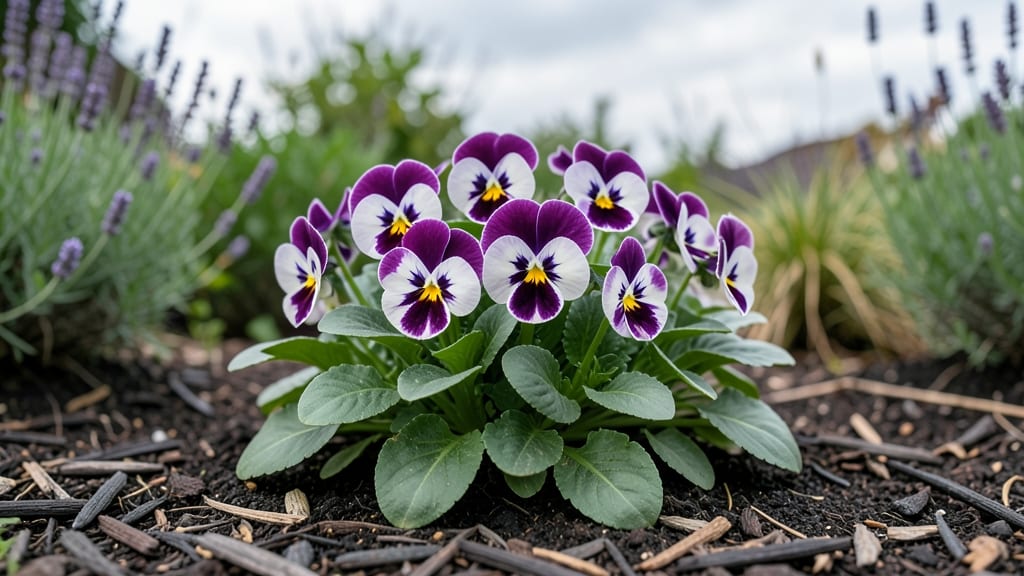
Pansies don't bloom all summer continuously—they thrive in cool weather, typically flowering in spring and fall, with some varieties reblooming in mild climates while others produce just one flush. Selecting reblooming or perennial types maximizes their display time.
Pansies are cool-season flowers at heart, and summer's heat often signals their natural dormancy period. 🌸 Unlike tropical blooms that love warmth, pansies actually slow down or stop flowering when temperatures climb above 75°F, conserving energy until cooler weather returns.
This is why you'll see them flourish in spring and fall gardens but struggle to maintain summer color. The good news? Some hybrid varieties, like 'Majestic Giant' or 'Soraya,' are bred to handle warmer conditions better, though they'll still perform best with afternoon shade and consistent moisture during heatwaves.
To extend their bloom time, deadhead spent flowers regularly and fertilize lightly every 3-4 weeks with a balanced formula. I've found that mulching helps maintain soil moisture and temperature stability, which is especially important in regions with hot summers.
For container gardens, choose compact reblooming varieties—they tend to be more heat-tolerant and will reward you with intermittent blooms throughout the season.
💡 In This Article
- Seasonal Bloom Cycles of Pansies Explained
- Best Pansy Varieties for Extended Summer Blooms
Seasonal bloom cycles of pansies explained
Pansies are biologically wired to thrive in cool weather, a trait rooted in their natural habitat across Europe and Asia where summers are temperate. Their flowering mechanism is triggered by a combination of temperature sensitivity and photoperiodism—the response to daylight length.
When daytime temperatures consistently exceed 75°F, pansies enter a survival mode, redirecting energy from blooming to root development. This is why you'll notice their vibrant displays in spring (when temps hover around 60-70°F) and fall, but see them struggle in peak summer heat.
The science behind this involves ethylene production—a plant hormone that accelerates dormancy during heat stress. In hot climates, pansies may produce a single flush of flowers before going dormant, while in cooler regions like the Pacific Northwest or northern Europe, they often rebloom with proper care.
The key difference lies in nighttime temperatures: pansies need 50-60°F nighttime lows to recover and produce new buds. This explains why coastal areas with mild summers often see pansies blooming intermittently throughout the season.
What most gardeners don't realize is how humidity plays a secondary role. High humidity during summer months can actually exacerbate heat stress by increasing transpiration rates—meaning pansies lose more moisture through their leaves.
This is why varieties like 'Matrix' series perform better in summer—they have thicker leaves that retain moisture more effectively. The trade-off? These heat-tolerant varieties often have slightly smaller blooms compared to their cool-season counterparts.
Climate zones dramatically affect reblooming patterns. In Zone 5 or colder, pansies typically bloom once in spring, then again in fall after summer dormancy. But in Zone 7-9, where summers are hot but not extreme, you can coax reblooming by providing afternoon shade and consistent watering.
I've seen 'Soraya' pansies in Zone 8 gardens produce three distinct bloom cycles when given these conditions—proof that with the right care, summer flowering isn't impossible.
Here's what's actually happening at the cellular level: Heat stress causes chlorophyll breakdown in flower buds, preventing them from opening. Meanwhile, the plant's meristem cells (growth points) shift focus to vegetative growth.
This biological response explains why you'll often see lush green foliage but no flowers during summer months—it's not a failure of the plant, but rather its survival strategy for harsh conditions.
For gardeners in transitional climates, the solution lies in strategic planting. Succession planting—installing new pansy flats every 6-8 weeks—can create a continuous display. The first planting blooms in spring, the second takes over in summer with heat-tolerant varieties, and the third extends into fall.
This approach mimics the natural reblooming patterns while maximizing your visual impact throughout the growing season.