
Blooming
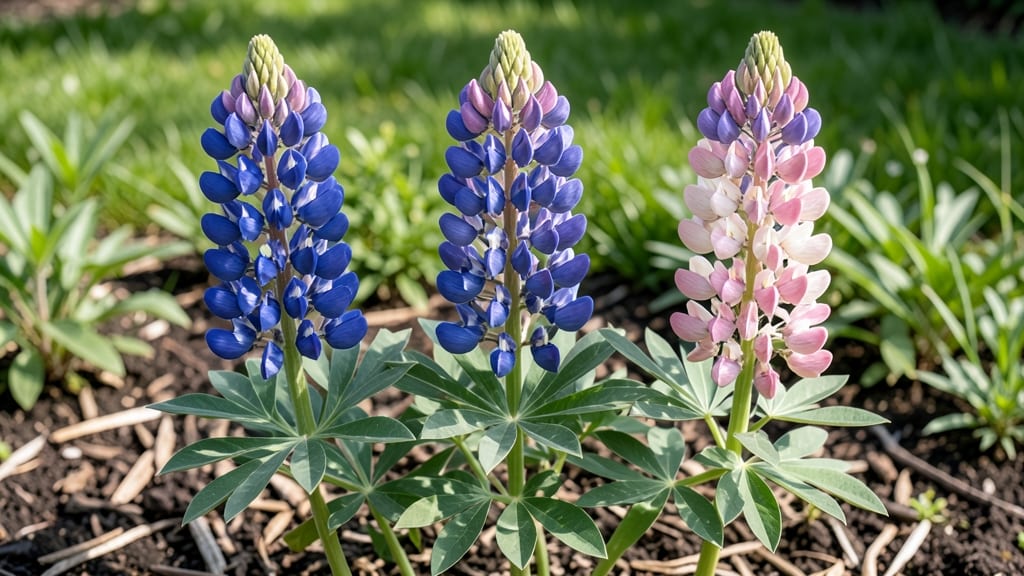
Lupines don't bloom all summer—most varieties show off their colorful spikes for 4-8 weeks before natural fading, though deadheading or proper care can trigger secondary blooms. Perennials may return yearly, while annuals bloom once and then fade away. Your specific lupine type and local climate play huge roles in how long they'll stay vibrant.
This seasonal behavior actually makes sense when you consider lupines' natural growing patterns.
Most lupines are cool-season plants, so they prioritize blooming early in the season when temperatures are mild. 🌸 What's fascinating is how some varieties, like the popular Russell Hybrid, can be coaxed into reblooming with just a little attention—think of it as giving your lupines a second chance to shine.
The key is understanding your specific variety's needs, as tropical lupines might behave differently than hardy perennials adapted to northern climates.
For gardeners wanting longer displays, the secret lies in timing and technique. Regular deadheading (removing spent blooms) encourages new flower production, while proper soil nutrition and watering can extend the overall bloom window.
I've seen Silver Cup lupines reward careful maintenance with multiple bloom cycles throughout summer, though they'll still need a good rest period before next year's show.
💡 In This Article
- Lupine Bloom Cycles: Annual vs Perennial Differences
- How to Extend Lupine Blooms with Deadheading and Care
Lupine bloom cycles: annual vs perennial differences
The fundamental difference between annual and perennial lupines lies in their life cycles and how they allocate energy. Annual lupines, like the classic Russell Hybrid, complete their entire life cycle in one growing season—sprouting, blooming, setting seed, and then dying back by late summer.
Their 4-6 week bloom window is a biological trade-off: they focus all their energy on producing vibrant flowers and seeds to ensure the next generation survives, rather than conserving resources for future years. This is why annuals often produce the most dramatic, long-lasting spikes but don't return the following season.
Perennial lupines, such as Silver Cup or the hardy Lupinus polyphyllus, follow a different strategy. These plants prioritize root development and energy storage during their first year, then devote their second and subsequent years to producing flowers—typically for 6-8 weeks each season.
The key difference is their ability to enter dormancy during hot summers or cold winters, then regrow from established roots. In cooler climates (USDA zones 3-7), perennials may bloom twice a year: a spring flush followed by a fall rebloom when temperatures dip below 80°F.
In warmer zones, they often need a dry summer period to trigger dormancy and prepare for next year's growth.
Climate plays a surprisingly large role in bloom duration. Lupines are cool-season plants at heart, meaning they thrive when daytime temperatures stay between 60-75°F during active growth. When summer heat exceeds 85°F for extended periods, lupines often go dormant prematurely, cutting short their bloom cycle.
This is why tropical lupines (like Lupinus arboreus) from warmer climates may bloom continuously for 3-4 months in their native habitats but struggle in hot inland U.S. summers.
The plant's natural response to stress—whether heat, drought, or poor soil—is to conserve energy by dropping flowers and focusing on seed production.
Here's what most gardeners miss: the transition between bloom cycles isn't always obvious. Many perennials will produce a second, smaller flush of flowers in late summer if given proper care, but this requires careful observation.
Annuals, meanwhile, follow a strict timeline—once the seed pods form, the plant's energy shifts entirely to seed production, and the flowers will inevitably fade within 2-3 weeks.
The visual clue is the seed pods: when you see them forming at the base of the flower spikes, count backward about 3 weeks for your final bloom day.
For those wanting longer displays, understanding these biological rhythms is crucial. Annuals are all about immediate impact, while perennials reward patience with years of color. The secret to extending blooms lies in mimicking their natural conditions—cool nights, moderate days, and proper soil moisture.
In my own garden, I've found that mulching around perennials helps maintain consistent soil temperatures, while providing afternoon shade during heatwaves can extend the bloom season by 2-4 weeks in hot climates. The result? Lupines that keep performing well into early fall when many other summer flowers have given up.
One fascinating exception is the Lupinus arboreus (tree lupine), which can bloom continuously for 5-6 months in ideal conditions. This variety doesn't follow the typical lupine pattern because it evolved in Mediterranean climates with mild, wet winters and hot, dry summers.
When grown in similar conditions, it will reward gardeners with near year-round color—though in most U.S. climates, it still needs winter protection to survive. This variety proves that while most lupines follow predictable bloom cycles, there are always exceptions to the rule in the plant kingdom.
The bottom line? Don't expect lupines to perform like daylilies or impatiens that bloom continuously. Their natural growth patterns are designed for seasonal efficiency, not year-round displays.
But with the right variety selection and care, you can absolutely extend their bloom season well beyond the typical 4-8 weeks many gardeners expect. 🌿