
Blooming
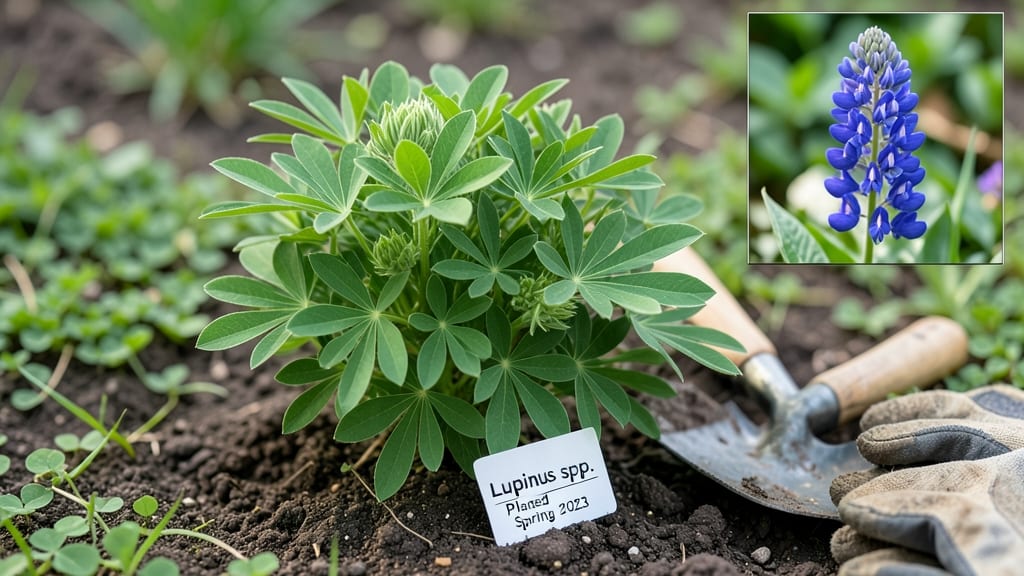
Lupines do not typically bloom the first year, as they prioritize building a deep root system for future growth. Most varieties take 1-2 years to produce their signature vibrant blooms, though some fast-growing types may show sporadic flowers under perfect conditions.
This delayed blooming is actually a survival strategy—lupines invest their energy in developing extensive roots during their first year, which helps them thrive in poor soils. 🌱 The trade-off means you won't see those dramatic flower spikes right away, but once established, they reward you with years of stunning displays.
Some gardeners swear by planting fast-maturing varieties like 'Russell Hybrid' to get earlier blooms, though even these may produce just a few flowers the first season.
For impatient gardeners, you can encourage first-year blooms by providing rich, well-draining soil and consistent moisture, but be prepared for smaller or fewer flowers. The real payoff comes in years two and three, when lupines often produce dramatic 3-4 foot spikes packed with colorful blooms.
💡 In This Article
- Why Lupines Delay Flowering the First Year
- Fastest-Blooming Lupine Varieties for Early Flowers
Why lupines delay flowering the first year
Lupines follow a biennial growth pattern similar to many biennial vegetables like carrots or onions, where the first year focuses on vegetative growth rather than reproduction.
This means all their energy goes into developing a robust root system—sometimes reaching depths of 3-5 feet—to access nutrients and water from deep soil layers. The roots contain nitrogen-fixing bacteria that actually improve soil fertility over time, making lupines excellent green manure plants. 🌱
The delay in flowering is also tied to lupines' natural survival strategy. In the wild, these plants often grow in nutrient-poor soils where establishing strong roots gives them a competitive advantage. Most garden varieties require 12-18 months of growth before they allocate resources to flower production.
Even then, the first blooms are often modest—just a few spikes—while the plant continues building its root network for future seasons.
Environmental factors dramatically influence this timing. Lupines planted in well-draining, nutrient-rich soil with full sun may produce scattered blooms in their first year, while those in poor soil or partial shade might wait until year two.
The key trigger for flowering is typically when the plant reaches a certain size and stores enough energy in its roots—a process that can take 6-12 months depending on growing conditions. 💛
Temperature plays a surprising role too. Lupines are cool-season plants that often enter dormancy during hot summers. This natural pause can extend the first-year growth phase, delaying flowering until cooler temperatures return.
Some gardeners in warm climates report their lupines bloom more reliably in their second year because they've had an extra growing season to establish themselves before summer heat arrives.
What most gardeners don't realize is how the plant's height correlates with its readiness to bloom. Tall varieties like Lupinus polyphyllus may reach 4-5 feet by their second year, while dwarf varieties like Lupinus nanus might only grow to 1-2 feet but still follow the same delayed flowering pattern.
The energy required to support that vertical growth is why lupines prioritize roots first—it's a structural investment for future flower production. ✨
This delayed blooming isn't just about size—it's about survival. Lupines store carbohydrates in their roots during the first year, creating an energy reserve that fuels both future growth and flowering.
Think of it like a plant version of saving for retirement: the first year is all about building the foundation, while the second year is when the real payoff begins with those dramatic flower spikes. 🌟