
Blooming
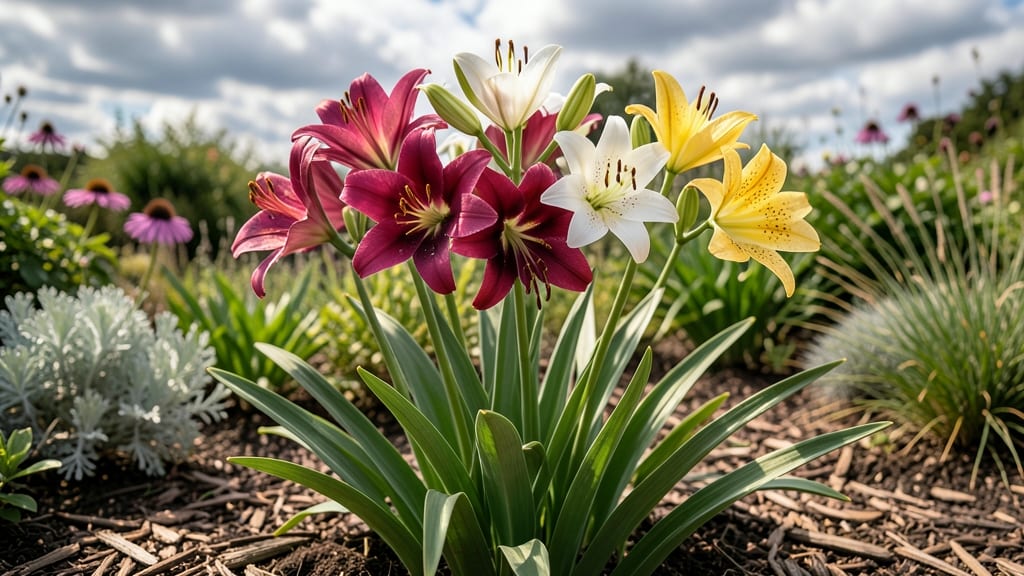
Lilies don't bloom all year; they follow seasonal cycles, with most varieties flowering in late spring through summer, and some hardy types producing a second bloom in fall under perfect conditions. Tropical lilies can extend their display in warm climates, but most species naturally enter dormancy during cooler months.
Lilies are seasonal showstoppers, and their blooming windows depend entirely on their native growing conditions. 🌸 For example, Asiatic lilies—known for their vibrant colors—typically burst into bloom in early to mid-summer, while Oriental lilies, prized for their fragrance, often wait until late summer.
The key trigger is daylight length combined with soil temperatures, which is why you’ll rarely see lilies in full bloom during winter months, even in greenhouses.
That said, some varieties like the hardy Martagon lily might surprise you with late-summer or early-fall flowers if given consistent moisture and protection from early frosts.
What’s fascinating is how climate plays a role: tropical lilies in zones 9-11 can sometimes push their blooming season into early winter, while temperate varieties in cooler regions may only flower once per year.
The secret to encouraging reblooms lies in mimicking their natural environment—think mulching to regulate soil temps and avoiding over-fertilizing, which can exhaust the plant before its second bloom cycle. 💫
💡 In This Article
- Seasonal Bloom Cycles of Common Lily Varieties
- Extending Lily Blooms: Climate and Care Tips
Seasonal bloom cycles of common lily varieties
The blooming patterns of lilies are governed by their native climates and biological adaptations. Asiatic lilies, for instance, thrive in cooler regions and typically flower in late spring to early summer, with peak displays between May and June in most temperate zones.
Their blooms trigger when soil temperatures reach 55-60°F and daylight hours extend beyond 14 hours, signaling the plant to shift from vegetative growth to flowering.
Oriental lilies, known for their intoxicating fragrance, often bloom later—July to August—because they require slightly warmer soil (60-65°F) and longer daylight exposure to mature their flower buds. 🌸
Martagon lilies, or Turk's cap lilies, stand out with their unique nodding blooms and a more flexible schedule. They often flower in late summer to early fall (August to September), aligning with their native habitat in mountainous regions where cooler temperatures persist later in the season.
This delayed bloom cycle helps them avoid competition with earlier-flowering species and ensures pollinators are still active. Another fascinating example is the Stargazer lily, an Oriental hybrid that blooms in mid-to-late summer but requires consistent moisture to prevent bud drop—a common issue when soil dries out during heatwaves.
Tropical lilies, such as the Easter lily or Casa Blanca, defy the seasonal rule to some extent. In warm climates (zones 9-11), they may produce blooms in winter or early spring, capitalizing on the mild temperatures and shorter daylight periods that trigger their flowering.
However, even these varieties enter a dormant phase during extreme heat or drought, proving that dormancy is a universal survival mechanism.
The key difference lies in their chilling requirements: tropical lilies need minimal cold exposure (40-45°F for 2-4 weeks) to break dormancy, while temperate varieties often require 6-8 weeks of cooler temperatures to prepare for blooming. ✨
Daylength plays a critical role in lily blooming cycles. Most lilies are long-day plants, meaning they flower in response to increasing daylight hours.
For example, Asiatic lilies in Northern Hemisphere gardens begin bud formation when days exceed 14 hours, while in the Southern Hemisphere, their blooming aligns with the opposite season due to inverted daylight patterns.
This explains why lilies in Australia or South Africa may flower in winter (their summer) while Northern Hemisphere varieties bloom in spring/summer. The exception is the Daylily (Hemerocallis), often confused with true lilies, which actually blooms on short-day cycles, making it a year-round performer in warm climates.
Soil temperature is another critical factor. Lilies store energy in their bulbs, and consistent warmth (60°F+) accelerates growth but can exhaust reserves before blooming. In contrast, cooler soil (50-55°F) slows growth, allowing the plant to build strength for a robust flower display.
This is why gardeners in colder climates often see delayed but longer-lasting blooms compared to those in hot regions, where lilies may bolt (flower prematurely) due to heat stress. 💫
Understanding these patterns helps explain why you might spot lilies blooming in unexpected months. For instance, a Stargazer lily in a greenhouse with extended daylight (via grow lights) might produce a second bloom in late fall, while outdoor plants of the same variety would have already entered dormancy.
The takeaway? Lilies are highly responsive to environmental cues, and their blooming windows are a direct reflection of their evolutionary adaptations to survive in specific climates.