
Blooming
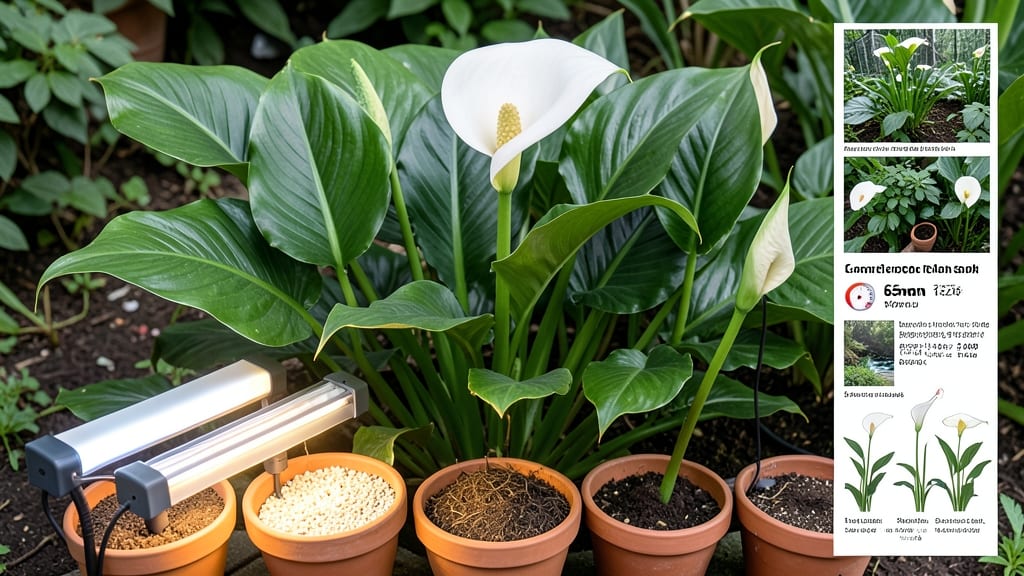
Calla lilies don't bloom all year—they follow seasonal cycles, with most varieties flowering in late spring to summer before entering dormancy. Tropical types may bloom year-round with ideal care.
Calla lilies are seasonal bloomers by nature, with their flowering triggered by specific light and temperature cues. 🌸 Most temperate varieties like Zantedeschia aethiopica (the classic white calla) produce blooms in response to longer daylight hours and warmer spring temperatures.
Once they finish flowering, they store energy in their rhizomes for next season's growth. Tropical calla varieties, however, can continue blooming if you maintain consistent warmth and humidity year-round.
This natural cycle explains why you might see calla lilies in florist shops year-round—they're often grown in controlled environments that mimic their native tropical conditions. For home gardeners, understanding these patterns helps you set realistic expectations and adjust your care routine accordingly.
💡 In This Article
- Calla Lily Dormancy Patterns and Seasonal Blooming
- Extending Calla Lily Blooms: Light, Soil, and Care Tips
Calla lily dormancy patterns and seasonal blooming
Calla lilies enter dormancy as a survival mechanism, triggered by shortening daylight hours and cooler temperatures. This process begins when daylight drops below 12-14 hours per day, signaling the plant to conserve energy.
The rhizomes (underground stems) become the energy storage system, converting starches into sugars that sustain the plant through winter. 🌱 During dormancy, growth slows dramatically, with some varieties like Zantedeschia aethiopica reducing leaf production to just a few basal leaves.
Temperate calla lilies, such as the popular white calla (Zantedeschia aethiopica), typically bloom from late spring to early summer when temperatures rise to 65-75°F and daylight exceeds 14 hours.
Their blooming cycle is tightly linked to these environmental cues—similar to how daylilies or peonies respond to seasonal changes. Tropical varieties, however, like Zantedeschia elliottiana (black calla), can continue blooming year-round if maintained in 70-80°F conditions with high humidity, as they lack the same dormancy triggers.
The key difference lies in their native climates: temperate callas evolved to thrive in seasonal environments, while tropical types adapted to consistent warmth. This explains why you might see calla lilies in stores year-round—they're often tropical varieties grown in greenhouses with controlled lighting and temperatures.
For home gardeners, understanding these patterns helps you choose the right variety for your climate and manage expectations for blooming seasons.
Even tropical calla lilies may show reduced flowering if subjected to cold snaps or sudden temperature drops below 50°F. The plant's response is a temporary dormancy-like state, where it conserves energy until conditions improve.
This is why indoor growers need to maintain stable environments, especially during winter months when natural light and warmth decline. 🌡️
What's fascinating is how calla lilies "bud" for next season's blooms during their active growing phase. The flower spikes develop in the leaf axils (where leaves meet the stem) and remain dormant until triggered by the right conditions.
This means that even if your calla isn't blooming now, it's already preparing for next year's display—if given proper care during its current growth cycle.
For gardeners in colder climates, this dormancy period is crucial for survival. The rhizomes can tolerate freezing temperatures down to 20°F when properly mulched, but they won't bloom until they experience the proper seasonal cues.
This biological rhythm explains why you might see calla lilies in florist shops year-round—they're often tropical varieties or temperate types grown in controlled environments that bypass natural dormancy triggers.