
Blooming
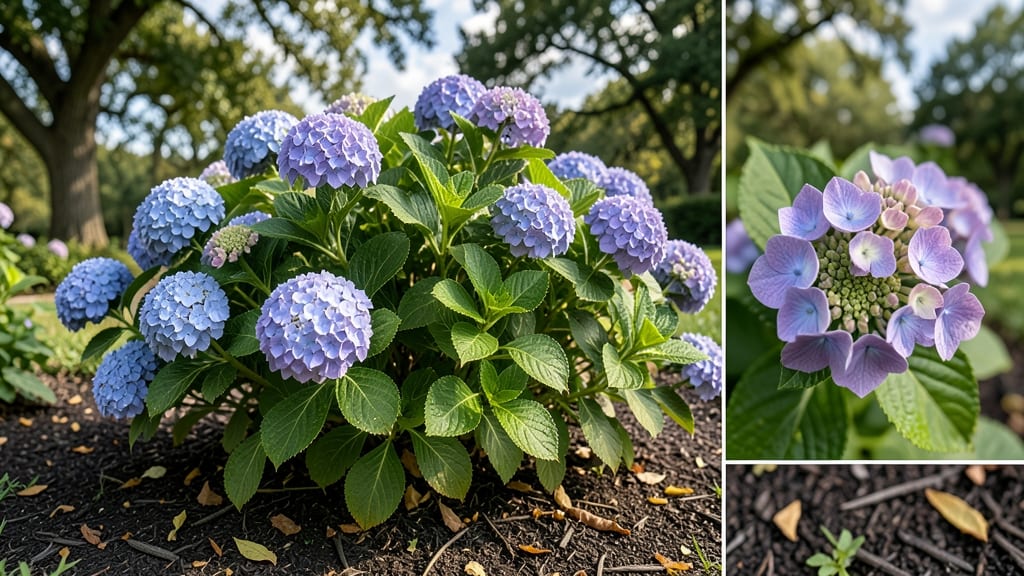
Endless Summer Hydrangeas bloom on old wood, meaning this variety relies on last year’s stems to produce its stunning flowers 💧 — and getting that right makes all the difference in your garden.
If you’ve ever wondered why your Endless Summer hydrangeas refuse to bloom as prolifically as expected, the answer likely lies in your pruning timing—and whether you’re cutting back on old wood or new growth.
Unlike other hydrangeas that bloom on new wood, this cultivar needs those mature stems from the previous season to set buds. Prune at the wrong time, and you risk removing next year’s flowers before they even form.
In this guide, I’ll walk you through the best pruning schedule, seasonal care tips, and how to identify old vs. new wood so you can keep those blooms coming year after year.
Why endless summer hydrangeas bloom on old wood (and how to maximize flowers)
If you’ve ever wondered why your Endless Summer hydrangeas bloom on old wood—the stems from last year—while other varieties rely on new growth, the answer lies in their unique botanical behavior.
Unlike most hydrangeas, this variety produces flower buds in late summer on the previous year’s stems, which remain dormant until spring. This means pruning at the wrong time can mean fewer blooms next year, not more.
The key to maximizing flowers is understanding that Endless Summer hydrangeas bloom on old wood because their flower buds form in late summer/early fall on the current year’s growth, which then matures into the old wood by winter.
If you prune these stems in late winter or early spring, you risk removing next year’s blooms before they even form.
Here’s the science: Flower buds on Endless Summer hydrangeas develop in August and September on the new growth that will become old wood. These buds stay dormant through winter and bloom in late spring/early summer.
Cutting back too early disrupts this cycle, leaving your shrub with sparse or no flowers.
| Stage | Bud Formation | Pruning Risk | Action |
|---|---|---|---|
| Late Summer (Aug-Sep) | New growth forms buds | None (critical budding phase) | Avoid pruning; water deeply |
| Winter (Oct-Mar) | Bud dormancy | High (cuts buds off) | Prune after blooming (late summer) |
| Spring (Apr-May) | Bud swell/break | Critical (blooms now) | Deadhead spent blooms only |
| Summer (Jun-Jul) | New buds form for next year | Low (prune after blooming) | Light pruning to shape |
To identify old wood (where buds form), look for brown, woody stems with small, swollen nodes where last year’s blooms emerged. These are your flower-producing stems. New growth is green and flexible, appearing in spring. Cutting back old wood before late summer removes next year’s blooms entirely.
Improper pruning is the #1 reason Endless Summer hydrangeas fail to bloom. Many gardeners mistakenly prune in late winter, thinking it’s like other hydrangeas. But this variety blooms on old wood, so timing is everything.
Wait until late summer (August-September) to prune, after the current season’s blooms have faded.
Seasonal growth patterns matter too. In spring, focus on removing dead or crossing branches. In summer, deadhead spent blooms to encourage new growth—but avoid heavy pruning. The old wood holds next year’s buds, so preserve it until after blooming.
If your hydrangeas look leggy, the issue isn’t necessarily pruning—it could be over-fertilizing or poor soil drainage. These plants prefer well-draining, slightly acidic soil (pH 5.2–6.0) to thrive. Amend heavy clay with compost and mulch to retain moisture without waterlogging.
For maximum blooms, pair correct pruning with seasonal care. After blooming, prune old wood to shape, but leave at least half the stems intact. This ensures next year’s buds form on the remaining old wood while allowing new growth for future seasons.
Remember: Endless Summer hydrangeas bloom on old wood because their buds form in late summer on the current year’s growth, which becomes old wood by winter. Protect these stems, and you’ll reward yourself with prolonged, abundant blooms from early summer through fall.
Best pruning schedule for endless summer hydrangeas to encourage old-wood blooms
Endless Summer hydrangeas are famous for their reliable, repeat-blooming flowers, but their magic happens on old-wood stems—those woody branches from last year. Unlike some hydrangeas that bloom on new growth, these beauties set buds in late summer for next year's flowers.
To keep them blooming like clockwork, timing is everything.
Pruning at the wrong time can eliminate next year's blooms entirely. For example, cutting back in early spring removes the buds that formed last summer. The key is to prune when the plant is dormant but before new growth begins.
This ensures you're not sacrificing future flowers for a cleaner shrub now.
🚨
Do endless summer hydrangeas bloom on old wood? Absolutely—but only if you protect last year's stems. Cutting back green stems in spring removes flower buds formed in late summer/fall. These buds are tiny and often overlooked until it's too late.
🔍 How to spot old wood: Look for brown, woody stems (last year's growth) vs. green, flexible new growth (this year's). Never prune the brown stems unless they're dead or diseased.
Your pruning schedule should include two key times: late winter (before buds swell) and summer (after blooms fade). Start with late winter pruning when temperatures are still chilly but before new growth begins.
Remove dead, crossing, or weak stems first, then shape the shrub by cutting just above a bud or side branch.
In summer, deadhead faded blooms by cutting stems back to the first set of healthy leaves. This encourages a second flush of flowers and prevents seed formation, which drains the plant's energy. Always use clean, sharp pruners to avoid tearing stems or spreading disease.
Common mistakes include over-pruning in spring or ignoring summer deadheading. Over-pruning removes too many buds, while skipping deadheading leads to leggy growth and fewer flowers. Aim to remove no more than 1/3 of the plant's volume in any single pruning session to avoid stressing the shrub.
Pro tip: Mark your calendar for February or early March (after last frost) for late winter pruning and June or July for summer deadheading. These timings align with the plant's natural growth cycles and maximize your Endless Summer blooms for years to come.