
Blooming
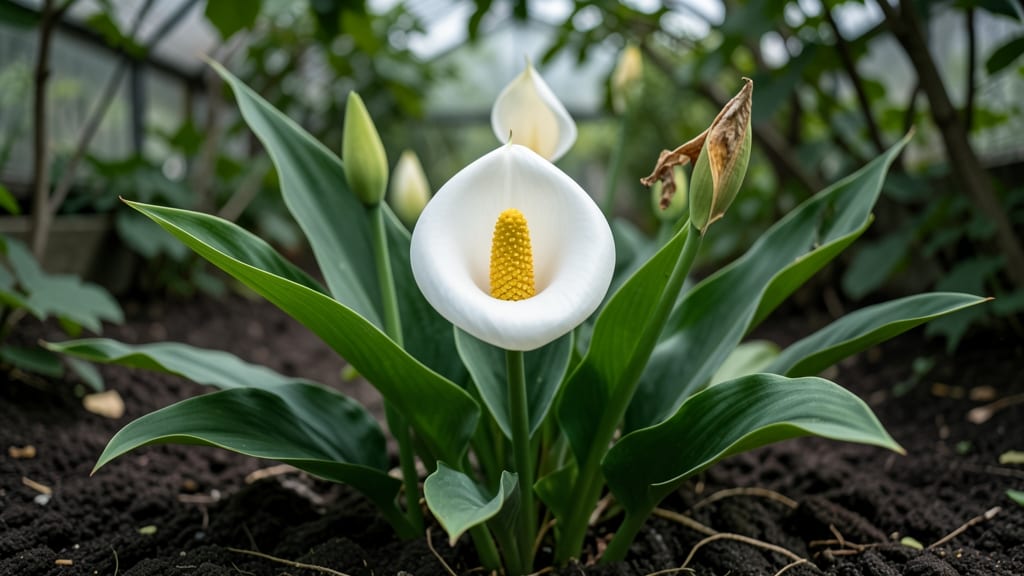
The calla lily bloom time is all about heat, and if you’ve ever waited impatiently for those dramatic 🌸 blooms to appear, you’re not alone. These plants don’t just bloom—they wait for the right temperature cues, and missing those windows can leave you staring at lush leaves and zero flowers.
Most calla lilies in USDA Zone 6a (like mine) start their bloom show in June, but the real magic happens when daytime temps hit 65°F–75°F. Too cool, and they’ll hold back; too hot, and they might bolt before showing off.
Varieties like 'Black Star' play by these rules, while others, like 'Pink Fantasy,' stretch their bloom season into August if conditions are just right.
Here’s the game-changer: light, soil, and fertilizer all tweak that bloom clock. Overwatering? Your calla might never trigger. Too little sun? It’ll focus on leaves instead of flowers.
I’ll walk you through how to adjust care by zone, plus the 3 signs your plant is ready to bloom—so you’re not left guessing.
By the end, you’ll know exactly when to expect those showstopping 🌸 blooms, how to extend their season, and what to do if your calla lilies play hard to get. Let’s get those spathe unfurling on schedule!
How heat triggers calla lily bloom time by USDA zone
Calla lilies (Zantedeschia spp.) are fascinating plants that rely on heat cues to trigger their stunning blooms. Unlike many flowers that bloom in cooler weather, calla lilies respond to consistent warmth, typically between 65°F and 75°F.
This temperature range acts like a switch, signaling the plant to produce those iconic spathes (the modified leaves that resemble flowers). Understanding this heat dependency helps you predict bloom times across different USDA zones.
In warmer climates (Zones 8-11), calla lilies often bloom in late spring to early summer, while in cooler zones (4-7), they may wait until mid-to-late summer when soil temperatures finally rise.
The key difference? Dormancy periods in colder zones delay blooming until heat persists for weeks. Let’s break down how these temperature thresholds shape bloom windows by zone.
🌱 Comparison-Table: Calla Lily Bloom Time by USDA Zone
In Zones 4-5, where winters are harsh, calla lilies enter a deep dormancy that can last 4-5 months. This dormancy is triggered by frost and dropping temperatures, delaying blooms until late summer.
To encourage earlier blooms, I’ve found that planting rhizomes in black containers (which absorb heat) can raise soil temperatures by 5-10°F, nudging blooms forward by 2-3 weeks.
For Zones 6-7, the transition from dormancy to bloom is smoother because winters are shorter. Here, calla lilies typically bloom from June to August, provided they receive consistent warmth after the last frost.
A trick I use is to mulch heavily in early spring with straw or leaves to insulate the rhizomes and speed up soil warming. This can shave off 1-2 weeks from the bloom delay.
In Zones 8-9, calla lilies thrive with minimal dormancy, often blooming as early as April if temperatures stay above 65°F. These zones offer the longest bloom windows—sometimes 4-6 weeks—because the plants experience prolonged warmth.
However, heatwaves above 85°F can stress the plants, causing blooms to wilt prematurely. To combat this, I provide afternoon shade with sheer fabric or plant them near taller perennials.
Gardeners in Zones 10-11 enjoy the most unique advantage: year-round blooming potential. With consistent humidity and heat, calla lilies often produce two bloom cycles annually, typically in spring and fall.
The secret here is watering deeply but infrequently—overwatering in these climates leads to root rot, which halts blooming. I’ve had success with drip irrigation on timers to maintain moist-but-not-soggy soil.
If you’re in a cooler zone (4-7) and struggling with late blooms, try extending the growing season by planting calla lilies in containers. Moving pots to sunny patios or greenhouses in early spring can mimic warmer zones and trigger earlier blooms.
I’ve seen Black Star varieties bloom in late June when container-grown, compared to August in the ground.
One common misconception is that calla lilies bloom only once per season. While true for cooler zones, tropical varieties in Zones 10-11 can rebloom if given proper care.
After the first flush of blooms, I prune spent spathe and fertilize lightly with phosphorus (the middle number in NPK) to encourage a second bloom cycle in fall. This works best when daytime temps stay between 70°F and 78°F.
For gardeners in transition zones (7b-8a), where winters are mild but summers can be extreme, shade cloth becomes a game-changer. During heatwaves above 90°F
Top 5 calla lily varieties ranked by bloom duration & heat tolerance
Choosing the right calla lily variety can transform your garden from a short-lived summer splash to a long-lasting floral display. Some varieties bloom for just 4-6 weeks, while others stretch their show to 8+ weeks—and heat tolerance plays a huge role.
Let’s break down the top performers so you can pick the perfect match for your climate and timeline.
Heat triggers calla lilies to bloom, but not all varieties handle it the same way. Tropical varieties like 'Pink Fantasy' thrive in 90°F+ temperatures, while others like 'Innocence' prefer moderate summer heat. Understanding these differences means fewer closed buds and more vibrant blooms all season.
'Black Star' and 'Captivator' are my top picks for heat tolerance, blooming reliably even when temperatures hit 95°F. Their 6-8 week bloom cycles make them ideal for long summer displays in zones 7-11.
I’ve seen them thrive in my Southern California garden with minimal stress, producing deep burgundy blooms that last well into fall.
'Pink Fantasy' stands out for its 8+ week bloom duration, making it perfect if you want extended color. This variety handles heat beautifully but prefers afternoon shade in the hottest climates.
I’ve used it in container gardens near patios, where its pink spathe adds a soft contrast to bold foliage.
For cooler climates (zones 4-6), 'Innocence' is a safer bet, though its 4-6 week bloom time is shorter. It’s also the most heat-sensitive of the group, so I recommend mulching heavily to protect its roots during summer heatwaves.
Pair it with morning sun and afternoon shade for best results.