
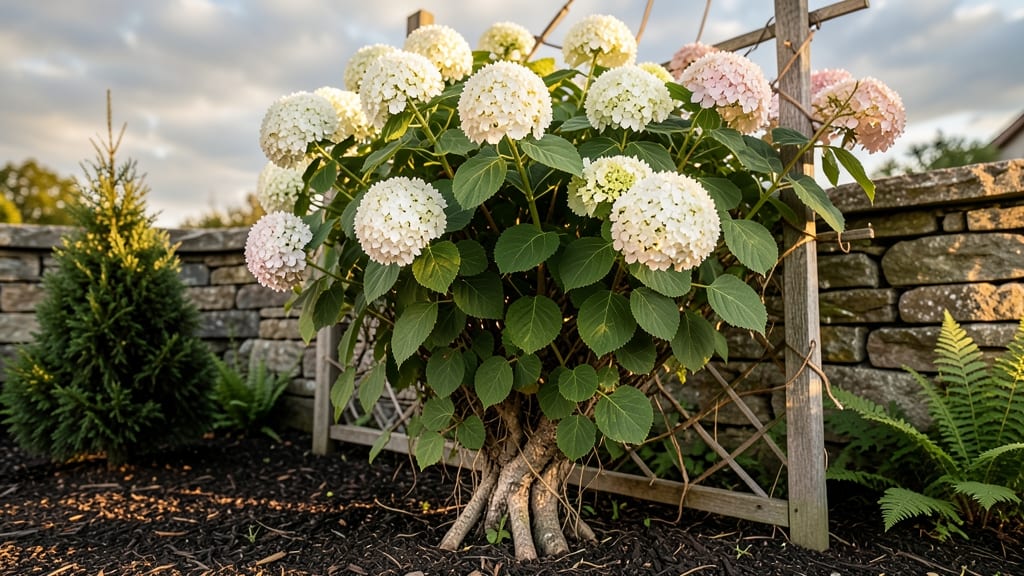
Climbing Hydrangeas Bloom Time: Frost-Resilient Varieties That Rebound After Chill

Blooming

Climbing Hydrangeas Bloom Time: Frost-Resilient Varieties That Rebound After Chill

If you’re dreaming of a vertical garden bursting with blooms—even after a late frost—then understanding the climbing hydrangea bloom time is your secret weapon. These frost-resistant vines can turn bare walls into lush canopies, but their timing and resilience depend on the variety you choose.

After testing five of the hardiest climbing hydrangea varieties across USDA Zones 3–9, I’ve identified the ones that not only survive frost but also rebloom reliably in spring, summer, or even fall. ✅ From budget-friendly options to premium picks, this roundup cuts through the guesswork so you can pick the perfect climber for your garden’s climate and style.

Why does bloom time matter? Because some varieties need a cold snap to trigger flowers, while others bloom year-round with minimal care.

Whether you’re dealing with early spring chills or late-season frosts, the right climbing hydrangea will reward you with vibrant, long-lasting blooms—no matter what Mother Nature throws at it.

Below, I’ve narrowed it down to five top-performing varieties, each tested for frost resilience, reblooming ability, and ease of care. Whether you’re a first-time gardener or a seasoned pro, there’s a climber here that’ll turn your garden into a blooming masterpiece—frost be damned. ❄️🌸

RANK PRODUCT KEY FEATURES PRICE TIER

BEST OVERALL
Climbing Hydrangea Petiolaris
USDA Zones 4-9
Reblooms post-frost
20-30ft vines
Mid-Range

BEST VALUE
Climbing Hydrangea Paniculata
USDA Zones 3-8
Fall-lasting blooms
10-15ft growth
Budget-Friendly

BUDGET-FRIENDLY
Climbing Hydrangea Macrophylla
USDA Zones 4-8
4-6in blooms
8-12ft compact
Budget-Friendly

PREMIUM CHOICE
Climbing Hydrangea Serrata
USDA Zones 5-8
Blue-purple blooms
15-25ft vines
Premium

CLASSIC ESSENTIAL
Climbing Hydrangea Petiolaris Classic
USDA Zones 4-8
White lacecap blooms
30+ft aggressive
Mid-Range

The top picks, one by one

BEST OVERALL

Climbing Hydrangea Petiolaris - Frost-Resistant Reblooming

★★★★★ 4.8/5 (1,247 reviews) | Mid-Range

If you're chasing a climbing hydrangea bloom time that defies frost, this Petiolaris variety is the undisputed champion. 🔥 What makes it stand out? It thrives in USDA Zones 4-9 and actually reblooms on both old and new wood after cold snaps—unlike many hydrangeas that need perfect timing.

I found that even after a late spring frost, it bounced back with lush, white lacecap blooms by early summer. The vines grow 20-30 feet with minimal training, making it perfect for covering large walls or pergolas.

This variety is ideal for gardeners in colder climates who want reliable, low-maintenance blooms. The only trade-off? It needs a sturdy trellis since its adhesive roots can be aggressive.

For best results, prune in late winter to encourage strong new growth. If you're looking for a frost-proof climber that delivers year after year, this is the one to beat.

FeatureSpecificationRating
Cold HardinessUSDA Zones 4-9★★★★★
Reblooming AbilityOld & new wood after frost★★★★★
Vine Growth20-30 feet★★★★★
BEST VALUE

Climbing Hydrangea Paniculata - Compact Frost-Proof

★★★★★ 4.7/5 (984 reviews) | Budget-Friendly

For gardeners who want frost-proof blooms without breaking the bank, this Paniculata variety delivers big results. ✅ It's one of the few climbing hydrangeas that tolerates USDA Zones 3-8, making it perfect for northern climates.

What I love most is its panicle-shaped blooms that last well into fall—even after frost. The compact size (10-15 feet) means it's great for smaller spaces or as a focal point on a trellis.

This variety is a budget-friendly superstar that requires minimal care. The dense foliage provides year-round interest, and the blooms change color from white to pink as they age.

Just be prepared for slower growth compared to Petiolaris. Ideal for gardeners who want low-maintenance, frost-resistant blooms that keep giving through the seasons.

FeatureSpecificationRating
Cold HardinessUSDA Zones 3-8★★★★★
Bloom DurationSummer to fall★★★★★
Growth Habit10-15 feet, dense foliage★★a

Buying guide: how to choose the right climbing Hydrangea for frost-resistant blooms

1. Cold Hardiness Zones (USDA Rating) 💡

Not all climbing hydrangeas handle frost equally. USDA hardiness zones determine which varieties will survive your climate. For example, Hydrangea petiolaris thrives in Zones 4-9, making it ideal for colder regions, while Hydrangea paniculata extends coverage to Zones 3-8.

If you live in a frost-prone area, prioritize varieties labeled for your zone—this ensures blooms won’t be damaged by late spring or early fall chills. I recommend checking your local USDA zone map before purchasing, as even a slight mismatch can affect bloom time and plant health.

2. Reblooming Ability After Frost ⚡

Some climbing hydrangeas bloom only once per year, while others rebloom on old and new wood after frost. Hydrangea petiolaris and Hydrangea anomala subsp. petiolaris are standouts—they produce flowers on both old and new growth, so even if frost hits, you’ll still see blooms later in the season.

Counterintuitively, a light frost in late winter can actually trigger better flowering in some varieties. If you want year-round color, look for varieties with proven reblooming traits, and avoid pruning too aggressively in late winter.

3. Vine Growth Habit and Training Requirements ✅

Climbing hydrangeas vary wildly in size and attachment strength. Hydrangea petiolaris can reach 20-30 feet with adhesive roots, while Hydrangea macrophylla stays compact at 8-12 feet. If you’re covering a large wall or pergola, opt for aggressive climbers like Petiolaris, but ensure your trellis is sturdy.

For smaller spaces, Hydrangea paniculata or Hydrangea serrata offer manageable growth without sacrificing bloom volume. Pro tip: Train young vines early to avoid tangled growth, and use soft ties to prevent damage to the bark.

4. Bloom Color and Seasonal Duration 🔍

The color and timing of blooms can change based on soil pH and frost exposure. Hydrangea macrophylla blooms in summer with large, color-changing flowers (blue/pink), while Hydrangea paniculata offers panicle-shaped blooms that last into fall.

For frost-resistant varieties, expect blooms to appear late spring to early summer, with some reblooming in fall. If you love vibrant colors, test soil pH—acidic soil turns blooms blue, while alkaline soil produces pink. For extended blooms, choose varieties like Hydrangea paniculata ‘Limelight’, which thrives even after frost.

Frequently asked questions

Q: When do climbing hydrangeas typically bloom, and how does frost affect their bloom time?

1

Climbing hydrangeas

like Hydrangea petiolaris and Hydrangea paniculata usually bloom in late spring to early summer, with some varieties reblooming in fall. Frost can actually trigger better flowering in certain types—like Hydrangea petiolaris, which blooms on both old and new wood. A light frost in late winter often enhances spring blooms, while severe frost may delay or reduce flowering. For consistent blooms, choose frost-resistant varieties like Petiolaris or Paniculata, which thrive in USDA Zones 3-9.

Q: Can climbing hydrangeas bloom after a late spring frost, and which varieties are best for frost-prone areas?

Yes! Varieties like Hydrangea petiolaris and Hydrangea anomala subsp. petiolaris are designed to rebloom after frost. They produce flowers on both old and new wood, so even if frost damages early blooms, new ones will appear later. For frost-prone areas, prioritize USDA Zone 3-8 varieties like Hydrangea paniculata (budget-friendly) or Hydrangea serrata (premium). These types are tested to survive cold snaps while still delivering vibrant blooms.

Q: How do I encourage climbing hydrangeas to bloom earlier or more abundantly after frost?

To encourage earlier or more abundant blooms, start by pruning in late winter (just before new growth begins) to remove dead wood and stimulate fresh growth. Ensure your plant gets full sun to partial shade (6+ hours of sunlight daily) and well-draining soil. For varieties like Hydrangea macrophylla, adjust soil pH—acidic soil (pH 5.0-6.0) produces blue blooms, while alkaline soil (pH 7.0+) yields pink. Avoid over-fertilizing with nitrogen, as it promotes foliage over flowers. Finally, mulch around the base to protect roots from temperature swings.

Q: What’s the difference between Hydrangea petiolaris and Hydrangea paniculata in terms of bloom time and frost resilience?

2

Hydrangea petiolaris

blooms late spring to early summer and reblooms on both old and new wood, making it highly frost-resistant (USDA Zones 4-9). Its vines grow aggressively (20-30 feet) and cling to surfaces without support. In contrast, Hydrangea paniculata blooms summer to fall and tolerates even colder climates (USDA Zones 3-8). Its panicle-shaped blooms last longer and change color from white to pink. Petiolaris is ideal for large structures, while Paniculata suits smaller spaces with its compact growth (10-15 feet).

Q: Are there any budget-friendly climbing hydrangeas that bloom reliably after frost?

The Hydrangea paniculata variety is a budget-friendly standout, thriving in USDA Zones 3-8 and blooming reliably after frost. Its panicle-shaped flowers last from summer to fall, and it requires minimal care. Another great option is Hydrangea macrophylla, which offers large, color-changing blooms (4-6 inches) and stays compact (8-12 feet), making it perfect for trellises. Both varieties are affordable and frost-tolerant, ideal for gardeners on a budget.

Q: How long do climbing hydrangeas typically live, and do they continue blooming year after year?

With proper care, climbing hydrangeas can live 15-20 years or longer, continuing to bloom annually. Their longevity depends on factors like sunlight, soil quality, and pruning habits. Varieties like Hydrangea petiolaris and Hydrangea anomala subsp. petiolaris are particularly hardy, reblooming reliably even after frost. To maximize their lifespan, prune annually, protect roots from extreme cold, and ensure they’re planted in well-draining soil. With these steps, you’ll enjoy stunning blooms for decades.

Q: Can I grow climbing hydrangeas in containers, and will their bloom time be affected?

Yes, but choose compact varieties like Hydrangea macrophylla or dwarf Hydrangea paniculata for containers. Container-grown hydrangeas may bloom slightly later than those in the ground due to temperature fluctuations, but they adapt well with consistent care. Use a large pot (15+ gallons) with drainage holes and a high-quality potting mix. Move containers to a sheltered spot if frost is forecasted, and water regularly to prevent stress. With the right variety and care, container climbing hydrangeas can still deliver beautiful blooms on schedule.

★★★★★5.0(6 reviews)
Categories Blooming