
Blooming
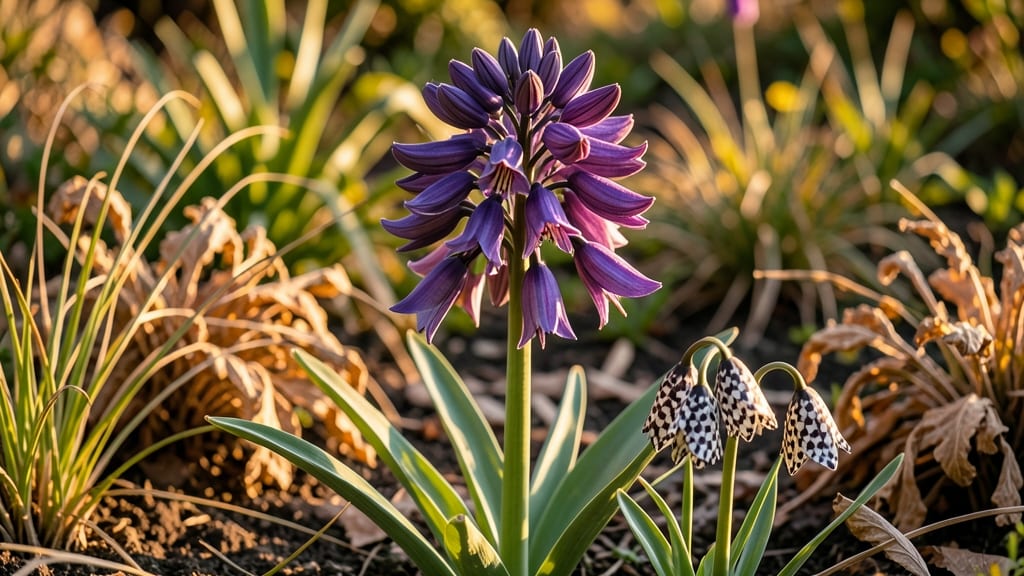
Tired of seasonal blooms that fade too soon? These 10 perennial bulb flowers deliver stunning, fragrant displays from early summer through fall—with minimal care. Perfect for low-maintenance gardeners who crave color without replanting every year.
Daffodil Varieties for Extended Summer Bloom
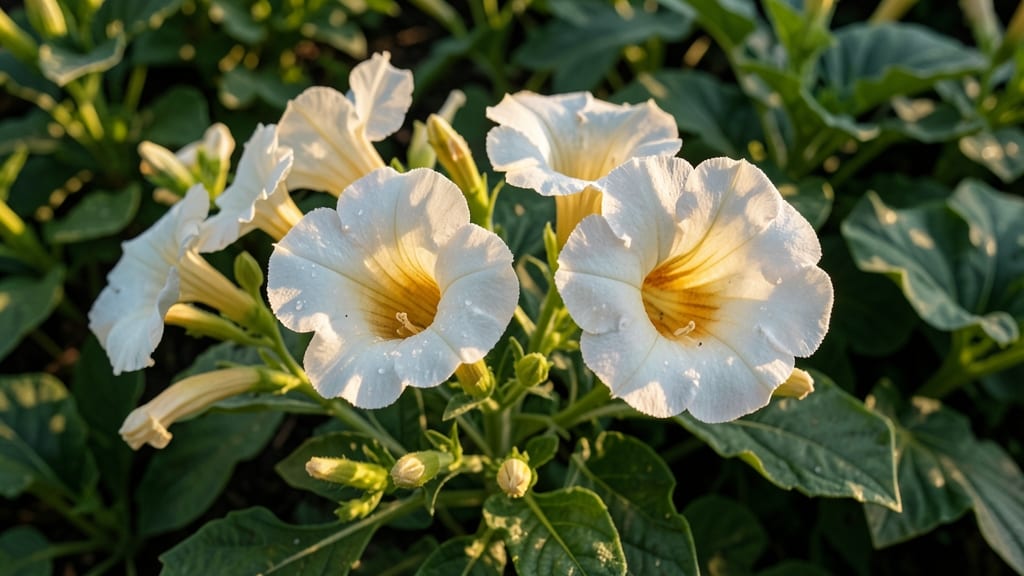
Skip the spring-only daffodils—these reblooming varieties like 'Ice Follies' and 'Tête-à-Tête' defy the norm by producing fragrant, trumpet-shaped blooms in late summer. Unlike their one-season counterparts, these cultivars reward you with a second show when given proper care, including division every 3-4 years to keep them vigorous.
Plant them in well-drained soil with 6 hours of sun daily, and don’t be afraid to fertilize lightly in early spring. The secret to their extended bloom? Regular deadheading spent flowers and ensuring they’re not overcrowded. These daffodils thrive in both borders and containers, making them versatile for any garden style.
Perfect for gardeners who love the classic charm of daffodils but want summer-long color, these varieties add unexpected elegance to late-season arrangements. 🌻
Rain Lilies for Humid Summer Gardens
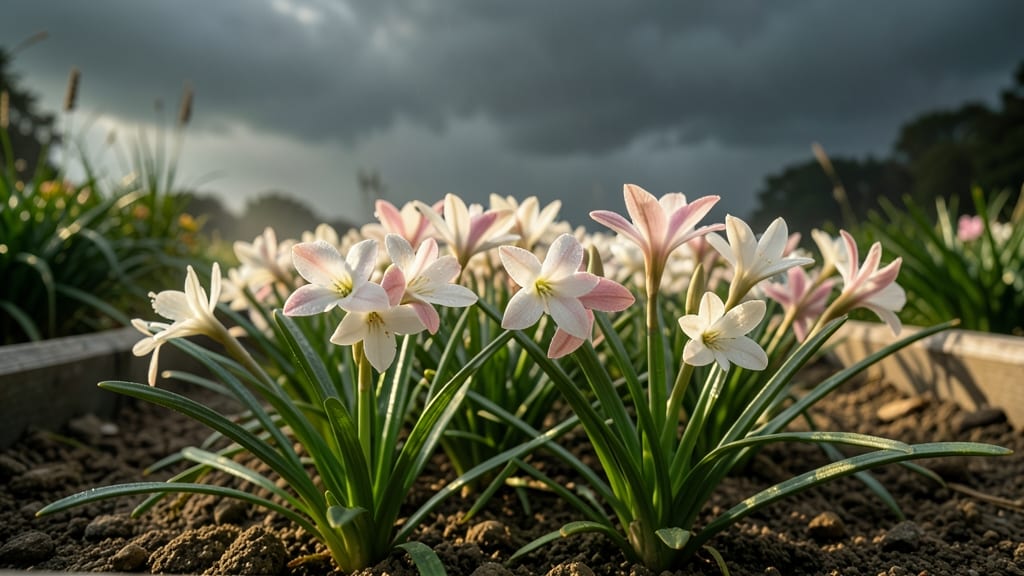
If you live in a humid southern climate where summer storms are the norm, rain lilies (Zephyranthes) are your secret weapon for effortless summer color. These striking bulbs bloom after summer rains, earning their poetic name—no fuss, just magic.
Plant white or pink star-shaped blooms in well-drained soil and full sun to partial shade. Once established, they’re drought-tolerant and deer-resistant, making them perfect for low-maintenance gardens. Their grass-like foliage blends seamlessly into borders while popping with color after rainfall.
Ideal for gardeners who want year-round interest with minimal effort, rain lilies multiply over time, creating natural clusters. Perfect for containers, borders, or even as a fragrant ground cover in shady spots. 🌻
Bearded Iris for Fragrant Summer Borders
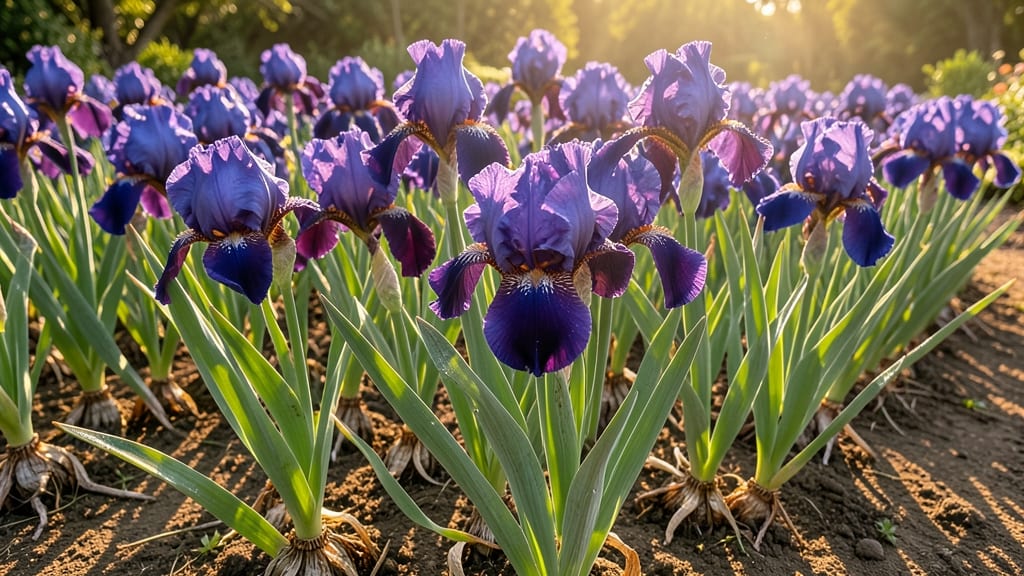
Want a fragrant summer border that multiplies effortlessly and delivers bold, velvety blooms year after year? Bearded iris is your answer—these classic rhizomes thrive with minimal fuss while filling your garden with intoxicating scents like 'Blue Flag' or 'Purple Edge'.
Plant rhizomes in full sun with well-drained soil, spacing them 12-24 inches apart. Their yearly multiplication means you’ll get more blooms without replanting, and their cutting garden potential is unmatched—stems last 5-7 days in vases. Just divide clumps every 3-4 years to keep them vigorous.
Perfect for beginner gardeners and cut-flower enthusiasts, bearded iris adds drama and fragrance to borders, containers, or even as standalone specimens. 🌻
Crinum Lilies for Tropical Summer Vibes
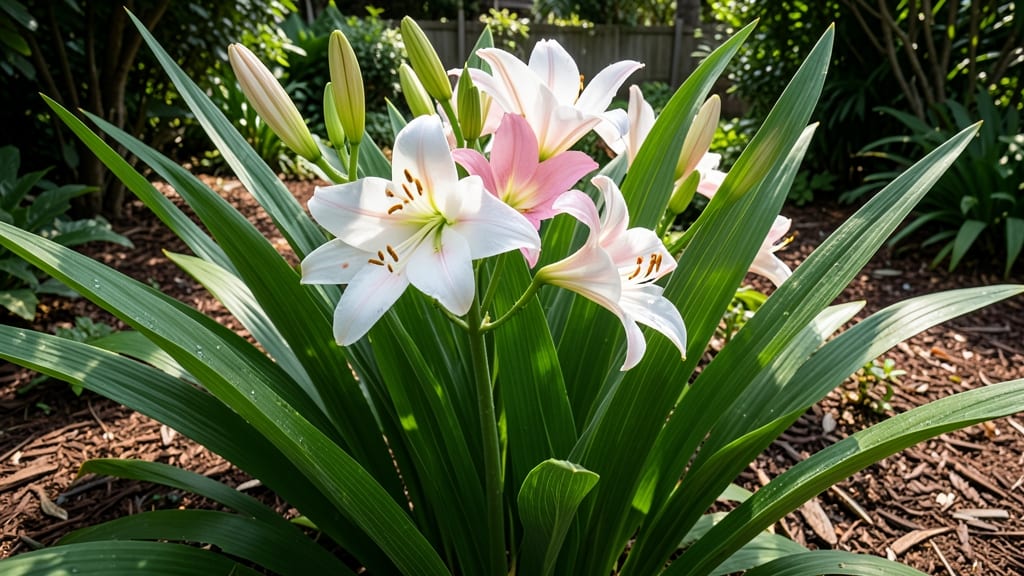
Want to bring tropical drama to your garden without the fuss of exotic plants? Crinum lilies deliver oversized, fragrant blooms that scream "summer vacation" while thriving in zones 7-11. These giant spider lilies produce white or pink, trumpet-shaped flowers from midsummer through fall, filling your space with a sweet, intoxicating scent.
Perfect for gardeners who love moist, well-drained soil, crinum lilies excel near pond edges or in containers where their dark green, strap-like leaves can shine. Plant bulbs 6 inches deep in spring, and watch them multiply over time—each bulb can produce multiple stems with 5-10 blooms per stem. Their heat tolerance and drought resistance once established make them a low-maintenance star.
Urban gardeners and small-space enthusiasts will love that these lilies adapt to containers, while tropical gardeners can use them to create dramatic focal points. Their year-round foliage adds texture even when not in bloom. 🌻
Alliums for Pollinator-Friendly Summer Color
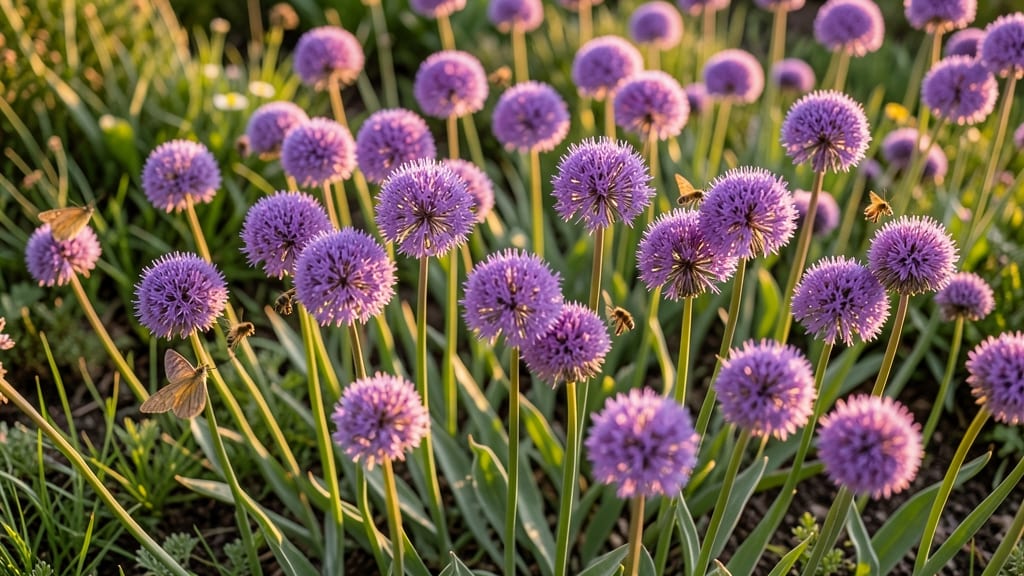
Want to turn your summer garden into a buzzing hub for bees and butterflies? Alliums are the unsung heroes of pollinator-friendly blooms, offering dramatic globular purple flowers that stand out like floating orbs in your landscape. These ornamental onions thrive in full sun and deliver color from July through September—long after many spring bloomers have faded.
Varieties like 'Purple Sensation' and 'Globemaster' reach heights of 2-4 feet, making them perfect for borders or cut flower arrangements. They’re also deer-resistant, which means fewer battles with hungry critters. Plant bulbs in well-draining soil in early spring for a summer spectacle that benefits both your garden and local pollinators. 🌻
Daylilies for Continuous Summer Flourishing
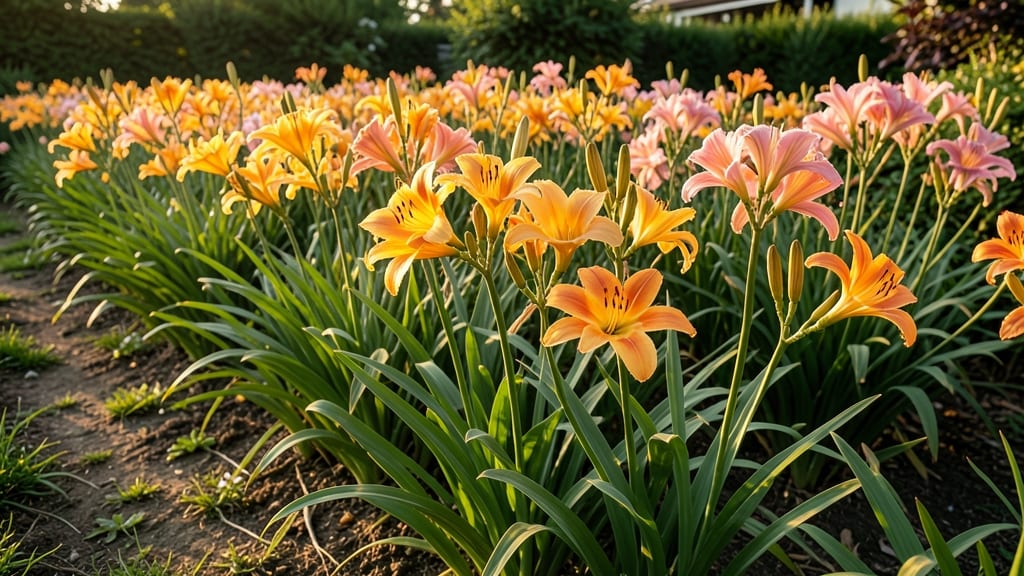
Want a summer garden that looks like it never stops blooming? Daylilies (Hemerocallis) are the unsung heroes of long-lasting color—reblooming varieties like 'Stella de Oro' and 'Happy Returns' produce clusters of vibrant flowers for weeks on end, even in drought-prone areas. Unlike true lilies, these perennials thrive with minimal fuss, making them perfect for busy gardeners.
These drought-tolerant plants handle full sun to partial shade and prefer well-drained soil, though they adapt to most conditions. Deadhead spent blooms to encourage more flowers, and divide clumps every 3-4 years to keep them vigorous. Their ruffled petals come in shades of orange, yellow, and purple, adding texture and movement to borders or containers.
Ideal for urban gardens or low-water landscapes, daylilies reward patience with continuous blooms—no replanting required. 🌻
Crocus for Early Summer Surprises
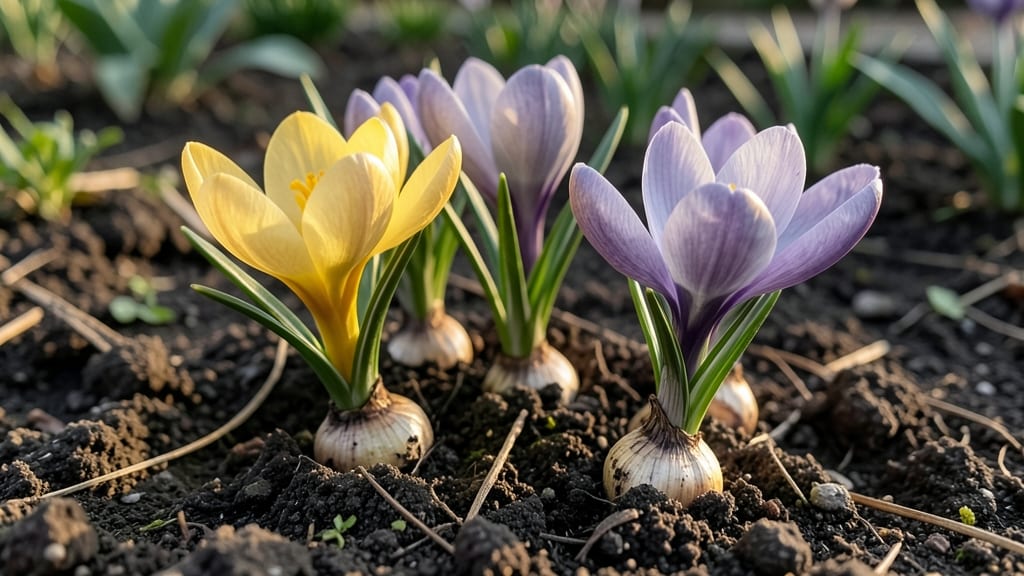
Skip the spring-only blooms—autumn-planted crocus varieties like 'Golden Yellow' or 'Whitewell Purple' deliver cheerful surprises in early summer after winter dormancy. These hardy bulbs push through cold soil to reward you with delicate, fragrant blooms when most gardens are still waking up.
Plant them in well-draining soil with full sun to partial shade, and they’ll thrive in rock gardens, borders, or even containers. Their low-maintenance nature makes them perfect for beginner gardeners or urban spaces with limited room. Just add a layer of mulch in fall to protect them from harsh winters.
For gardeners craving year-round interest, these crocus create a stunning transition between winter and summer. Their early blooms also attract pollinators, giving your garden a head start. 🌱
Lily of the Valley for Shady Summer Fragrance
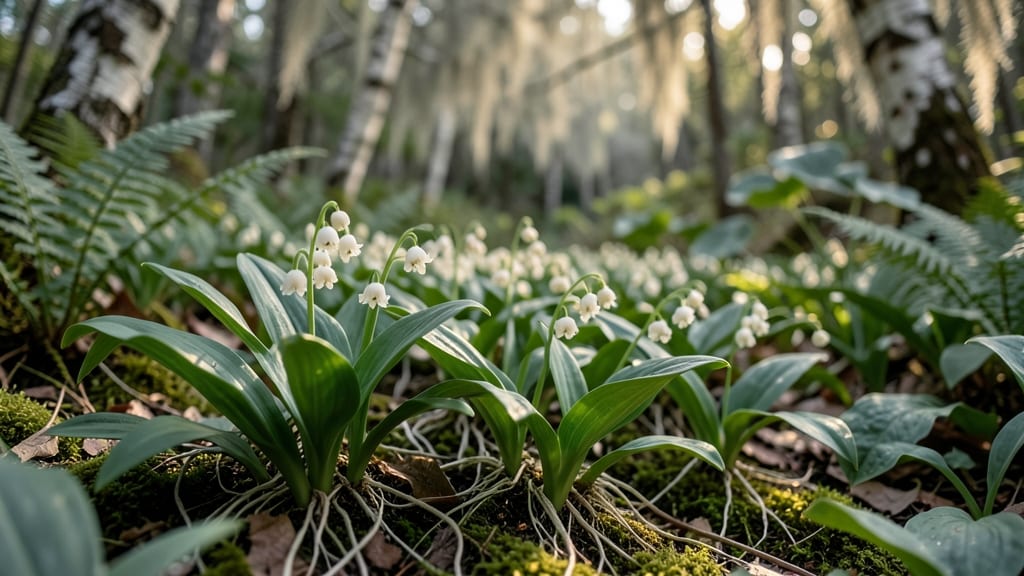
If your garden has shady spots where most plants struggle, lily of the valley (Convallaria majalis) is your secret weapon. This fragrant woodland beauty thrives in partial shade, filling your space with delicate bell-shaped blooms and a sweet almond-like scent that lingers in the air.
Plant the rhizomes in well-draining, moist soil under trees or along foundation borders, where they’ll spread slowly but reliably over time. Unlike sun-loving bulbs, lily of the valley tolerates dappled light and even dry shade once established—making it ideal for understory plantings. Its year-round greenery also adds texture even when not in bloom.
Perfect for cottage gardens, shade-loving gardeners, or anyone craving effortless fragrance, this classic perennial delivers decades of blooms with almost no maintenance. 💚
Tulip Varieties That Rebloom in Summer
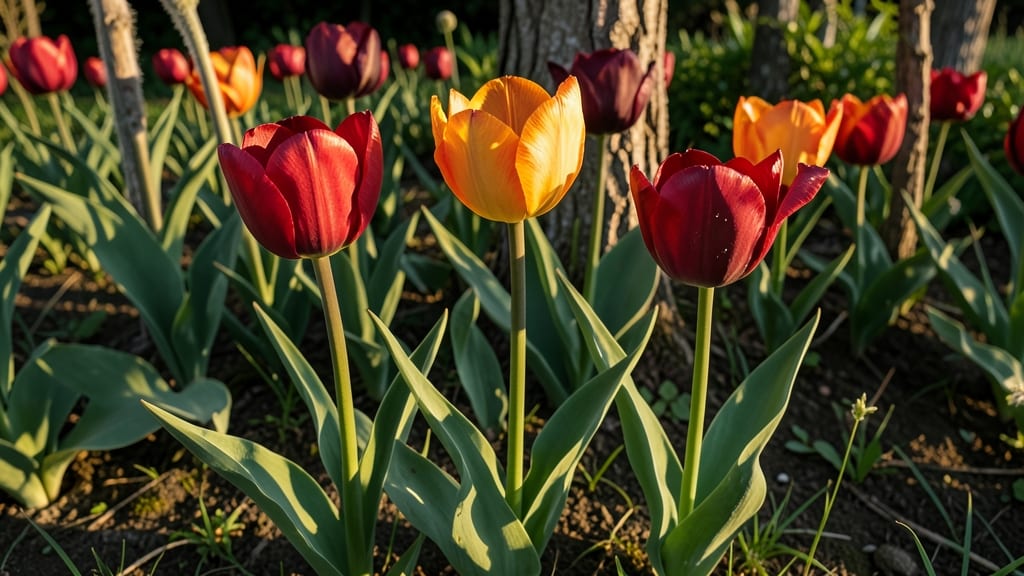
Most gardeners assume tulips are a one-season wonder, but these reblooming varieties defy the norm. With the right care, Darwin Hybrid and Fosteriana tulips can produce a stunning second flush of blooms in late summer—adding weeks of color to your garden.
To encourage reblooming, fertilize with a balanced bulb food in early spring and again after the first bloom. Black Parrot stands out with its dramatic, fragrant dark purple-black petals edged in yellow, while Darwin Hybrids offer bold, cup-shaped blooms in vibrant hues. Plant them in full sun with well-drained soil for best results.
These varieties are perfect for gardeners who love tulips but want longer seasonal interest. With minimal extra effort, you’ll enjoy tulips well beyond their typical spring show. 🌻
Fritillaria for Unique Summer Bell Shapes

If you crave unusual summer blooms that turn heads, Fritillaria delivers with its exotic, nodding bell shapes unlike any other bulb. The checkered lily (Fritillaria meleagris) and crown imperials (Fritillaria imperialis) bloom in late summer, offering a dramatic contrast to traditional summer flowers.
Plant Fritillaria imperialis in full sun to partial shade with well-draining soil—they thrive in cottage gardens or woodland edges. Their spicy, citrus-like fragrance makes them a sensory standout, while the checkered lily’s marbled petals add whimsical charm. Both prefer cooler climates (zones 3-8) and benefit from winter dormancy.
Perfect for gardeners who love bold statements, these bulbs reward patience with striking vertical drama. Pair them with alliums or delphiniums for a cottage garden that feels like a fairy tale. 🌻