
Blooming
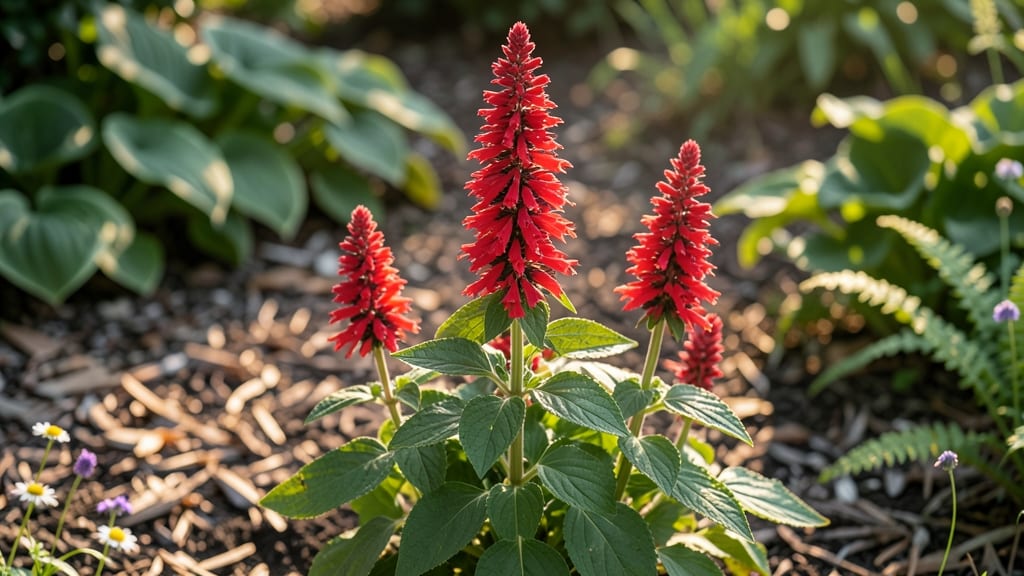
The bee balm bloom season in late spring and summer is just the beginning—its real magic unfolds when heat triggers a vibrant second burst of color, something many gardeners overlook.
Watch your bee balm gardens burst into vibrant color twice a year with these science-backed heat-triggered rebloom secrets—no deadheading required! The key lies in understanding how temperature shifts (think 75-85°F) coax those flowers back to life.
From choosing the right varieties like 'Jacob Cline'—known for its bold red blooms—to strategic pruning and moisture control, you can stretch that flowering season from June all the way to September.
In this guide, I’ll break down the science, share 5 easy tricks to extend blooms, and rank popular varieties by their reblooming performance so you can keep your garden buzzing with color all season long.
How heat triggers bee balm’s second bloom cycle
Bee balm (Monarda spp.) is famous for its two bloom cycles—one in early summer and another heat-triggered rebloom later in the season. This botanical magic happens when your plants receive the right combination of warmth and sunlight.
Understanding this process lets you extend flowering without extra effort!
The key to bee balm’s second bloom lies in its response to heat stress. When daytime temperatures consistently hit 75-85°F, the plant perceives this as a signal to pause dormancy and produce new flower buds.
This natural mechanism is why bee balm thrives in USDA Zones 4-9, adapting to both cool and warm climates.
But heat alone isn’t enough—bee balm also needs 6+ hours of full sun daily to maximize photosynthesis, which fuels its reblooming energy. Without sufficient light, even warm temperatures won’t trigger a second flush of blooms. Think of it like a sun-powered recharge for your plants!
| Factor | Optimal Range | Effect on Rebloom |
|---|---|---|
| Temperature | 75-85°F | Triggers flower bud formation |
| Sunlight | 6+ hours full sun | Maximizes photosynthesis for energy |
| Soil Moisture | Moderately moist | Prevents heat stress |
| Pruning Timing | After first bloom | Encourages new growth |
During the heat-induced rebloom, bee balm’s phloem cells (the plant’s nutrient transport system) become more active, redirecting energy from leaf production to flower development.
This is why you’ll often see a second wave of blooms in late summer—your plants are literally recharging their energy reserves for another round of color!
The 75-85°F range is critical because it’s the sweet spot where bee balm’s thermoregulatory mechanisms kick in. Below 70°F, the plant conserves energy for survival, while above 90°F, it may suffer heat stress, leading to wilting or stunted growth.
Aim for morning sun and afternoon shade in Zone 9+ gardens to maintain ideal conditions.
Light quality matters too—bee balm prefers direct sunlight with blue and red spectrum dominance, which boosts chlorophyll production. If your plants are in partial shade, supplement with a reflective surface (like white mulch) to bounce extra light onto the foliage.
This light hack can make a huge difference in rebloom intensity!
One common misconception is that bee balm needs deadheading for a second bloom. While removing spent flowers can encourage more blooms, the heat trigger is what truly kicks off reblooming.
Think of deadheading as a bonus tip rather than a requirement—your plants will still rebloom naturally with the right conditions!
For container-grown bee balm, the heat effect is even more pronounced because pots heat up faster in direct sun. Use lightweight, breathable containers and place them on elevated stands to prevent root overheating. This microclimate control helps maintain the 75-85°F range even in hot afternoons.
Watch for early signs of reblooming: new buds forming at the stem nodes and leaf axils, or a slight purple tint on emerging foliage. These are your cues that the heat trigger is working!
Once you see these signs, reduce watering slightly to stress the plant just enough to boost flower production—a technique called controlled drought.
With these heat-triggered secrets, your bee balm can flower twice as long—no deadheading or fancy fertilizers needed! Just sun, warmth, and patience will reward you with vibrant blooms from June through September. Happy gardening! 🌿🐝
5 Heat-triggered rebloom tricks for extended color
Bee balm (Monarda spp.) thrives on heat to trigger its second bloom cycle, but most gardeners miss this natural cue. The key lies in understanding how heat stress and soil moisture interact to signal reblooming.
When daytime temperatures hit 75-85°F consistently, your bee balm plants recognize it as the perfect time to produce fresh flowers—often in late summer or early fall. The trick? Mimic these conditions with simple techniques that require minimal effort but yield bold, extended color through autumn.
Many gardeners assume bee balm blooms just once, but with the right approach, you can coax two full cycles per season. The secret isn’t just pruning—it’s about strategic timing paired with soil and companion plant support.
For example, cutting back spent blooms in early summer when temperatures rise creates a shock that prompts new growth. Pair this with moisture control (never soggy soil) and heat-loving neighbors like lavender or Russian sage, and you’ll extend your bee balm’s show by 4-6 weeks or more.
- 1 Prune at the right heat moment: Snip back 1/3 of the plant when daytime temps hit 75°F+—this mimics natural heat stress and triggers reblooming. Use clean, sharp shears to avoid damaging stems.
- 2 Water deeply but infrequently: Bee balm hates soggy roots. Water once a week (deeper, not daily shallow water) to encourage strong root systems that handle heat better. Aim for 1-2 inches of moisture per week.
- 3 Plant heat-loving companions: Pair bee balm with lavender, thyme, or Russian sage—these herbs thrive in the same full-sun, dry conditions and reflect heat back onto your bee balm, boosting reblooming.
- 4 Fertilize lightly in late summer: Add a balanced 5-10-10 fertilizer when you notice new buds forming (usually late August). This gives a gentle energy boost without overstimulating foliage at the expense of flowers.
- 5 Mulch with heat-reflective material: Use straw or pine needles (not dark mulch) to keep roots cool while allowing sunlight to warm the soil. This balances the heat trigger without stressing the plant.
One common mistake is pruning too late in the season. If you wait until September, your bee balm may not have enough time to recover and rebloom before frost.
Instead, time your cuts for mid-July to early August when heat is consistent but not yet extreme. This gives your plant 6-8 weeks to regenerate before cooler temps arrive.
For maximum impact, combine these tricks with variety selection. Some bee balm types, like ‘Jacob Cline’, are naturally more prone to reblooming than others. Pair your pruning with regular deadheading of faded blooms to redirect energy into new growth.
Even in hot, dry climates, these methods work—just adjust watering to every 5-7 days during peak heat.
With these heat-triggered rebloom tricks, your bee balm will reward you with vibrant color well into October, attracting pollinators long after other flowers fade. The best part? These techniques take less than 10 minutes per plant to implement and require no special tools beyond shears and mulch.