
Blooming
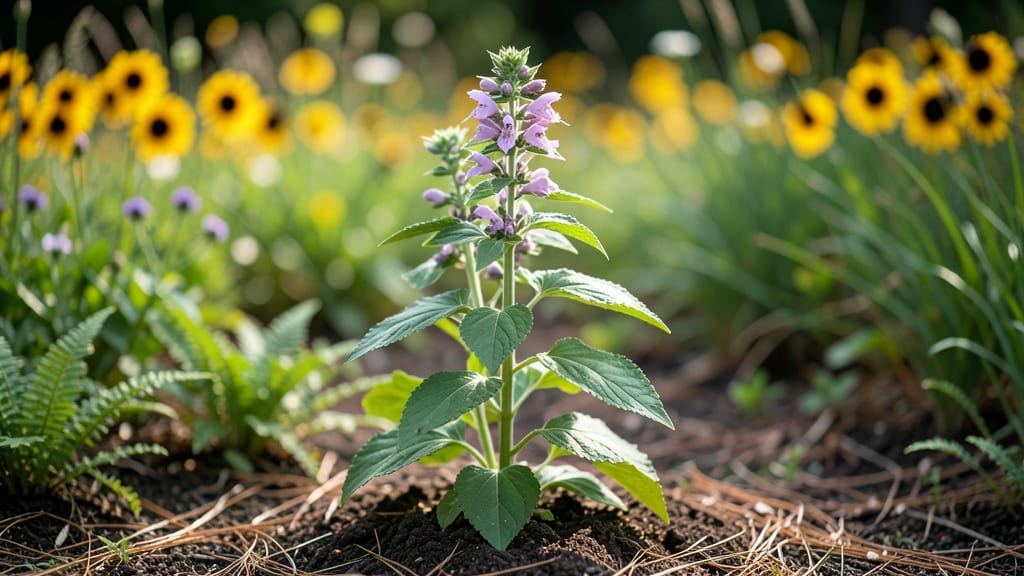
Bee balm generally doesn't bloom during its first year after planting, as it prioritizes building a strong root system and leafy growth instead. Most varieties need 60-90 days of established growth before producing flowers, though some may push blooms into the second year if planted late or under stress. Cold-resistant types like 'May Night' can sometimes flower sooner with proper care.
This first-year delay is actually a smart survival strategy for bee balm, a hardy perennial. 🌱 The plant redirects energy toward deep root development and dense foliage, which helps it thrive in subsequent seasons.
Think of it like a marathon runner building endurance before racing—the stronger the foundation, the bigger and more vibrant the blooms will be in years to come.
Varieties like 'Zest' or 'Jacob Cline' might show a few flowers if planted early in spring, but even then, they'll be modest compared to their second-year performance.
What you can control is the planting environment. Well-draining soil rich in organic matter and consistent moisture (without sogginess) helps bee balm allocate energy toward flowering rather than stress responses.
I've found that giving young plants a light phosphorus boost at planting—like a handful of bone meal—can sometimes coax earlier blooms, though it's no guarantee. The key is patience: that first year might seem quiet, but it's setting the stage for a spectacular floral display next summer.
💡 In This Article
- Why Bee Balm Often Waits Until Year Two for Blooms
- How to Encourage First-Year Bee Balm Flowering by Variety
Why bee balm often waits until year two for blooms
Bee balm (Monarda) follows a survival strategy common among perennials: prioritizing root and foliage growth over flowering in their first year. This is because the plant allocates its limited energy to establishing a deep, extensive root system that can anchor it and access nutrients efficiently.
During this phase, you'll notice lush, vibrant green leaves but minimal blooms—this is the plant's way of preparing for future seasons. 🌱 For example, a healthy bee balm plant can develop roots up to 12-18 inches deep by the end of its first year, which is critical for drought resistance and nutrient uptake.
The timing of planting plays a huge role in this process. If you plant bee balm in late spring or summer, it has less time to establish before winter, delaying flowering until the second year.
Conversely, planting in early spring gives the plant a full growing season to build strength. Cold-hardy varieties like 'May Night' may show early blooms if planted in fall, as the cooler temperatures slow growth and redirect energy toward flowering.
This is why some gardeners swear by fall planting for varieties like 'Jacob Cline'—it can sometimes trigger modest blooms the following summer.
Stress factors like poor soil, drought, or excessive nitrogen can further delay flowering. Bee balm thrives in well-draining soil with a pH of 6.0-7.0, and a lack of phosphorus (a key nutrient for flowering) can leave the plant struggling to produce blooms.
For comparison, annual flowers like marigolds or zinnias don’t face this delay—they focus all their energy on blooming immediately. But perennials like bee balm invest in longevity, which is why their first-year growth might look modest but is actually setting them up for years of vibrant blooms. 🌿
Another critical factor is the plant's natural growth cycle. Bee balm typically enters its flowering stage when it reaches a certain size and maturity, which usually takes 60-90 days of established growth. If planted late, this window shifts to the following year.
For instance, a bee balm planted in July might not have enough time to mature before winter, pushing its first blooms to the next summer. This is why gardeners in cooler climates often see delayed flowering—the plant conserves energy for survival until conditions are favorable.
What makes bee balm unique is its ability to adapt. While most varieties wait until the second year, some—like 'Zest' or 'Fireworks'—might produce a few scattered blooms in their first year if given ideal conditions.
These early flowers are usually smaller and less abundant, but they’re a sign the plant is ready to fully bloom in the following season. The key takeaway is that this delay isn’t a flaw—it’s a built-in mechanism for resilience and long-term success. 💫
To put it in perspective, think of bee balm like a tree. A young sapling spends its first few years growing roots and branches before producing fruit. Similarly, bee balm focuses on building its foundation before devoting energy to the showy, pollinator-attracting blooms you love.
Patience here pays off with bigger, more abundant flowers in subsequent years.