
Flowers
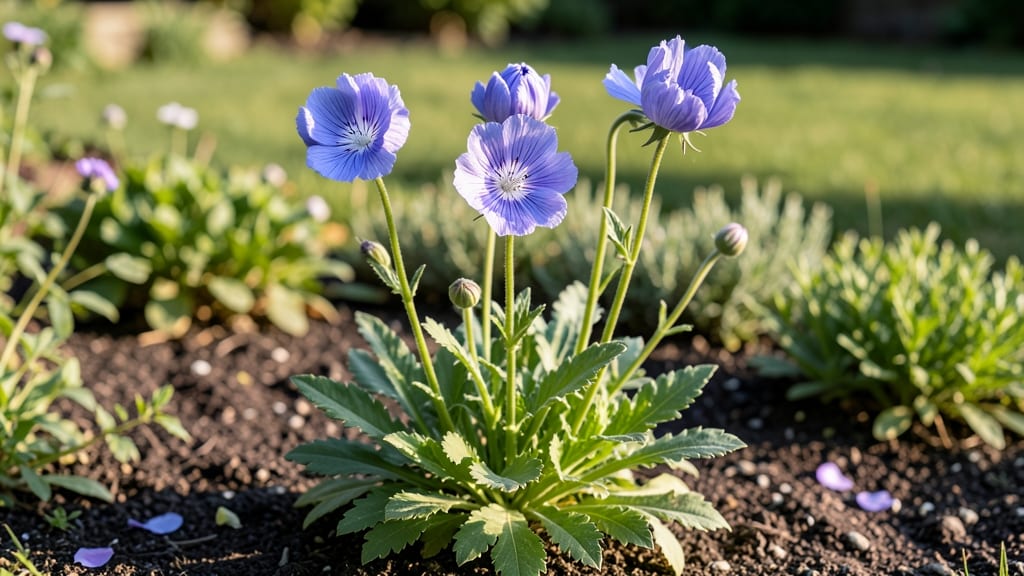
The balloon flower bloom time hinges on heat and variety—some burst into purple blooms by June, while others wait until August, and the difference isn’t just luck.
If you’ve ever wondered why your 🌸 Platycodon grandiflorus blooms unpredictably, the answer lies in their heat-triggered growth cycle—where timing, temperature, and variety play starring roles.
In USDA Zone 6a, most gardeners see their first buds swell in late May, but cooler springs or shade can delay things by weeks. Meanwhile, heat-loving varieties like ‘Royal Crown’ may bloom two weeks earlier than their cooler-climate cousins.
Below, I’ll break down the month-by-month bloom windows, how to adjust care for early or late flowers, and the simplest trick to extend your blooms until frost—no greenhouse required.
Balloon flower bloom time by month: when to expect stunning purple buds
Timing is everything when growing balloon flowers (Platycodon grandiflorus), and their heat-triggered blooming cycle makes them unique. Unlike many perennials, these beauties rely on warm daytime temperatures to swell their iconic purple buds.
Understanding your USDA hardiness zone and regional climate will help you predict when to expect those showstopping blooms each year.
Most balloon flowers bloom between late spring and early summer, but varieties and location shift that window dramatically. In cooler climates (Zones 3-5), expect blooms as early as May or June, while warmer regions (Zones 6-9) may see flowers stretching into July or August.
Let’s break down what to expect month by month for your garden.
| Month | Expected Bloom Stage | USDA Zones 3-5 | USDA Zones 6-9 | Heat Threshold (°F) |
|---|---|---|---|---|
| April | Bud formation | Early buds (Zone 5) | None | 50-60°F |
| May | Peak blooming | Full bloom | Early buds | 60-70°F |
| June | Late blooms | Fading blooms | Peak bloom | 70-80°F |
| July | Second flush | Dormant | Late blooms | 65-75°F |
| August | Seed formation | Dormant | Seed heads | 60-70°F |
*Regional variations apply; Pacific Northwest blooms may be delayed by 2-4 weeks compared to Southern climates.
In Pacific Northwest gardens (Zones 7-8), balloon flowers often bloom 2-4 weeks later than in Southern climates (Zones 8-9) due to cooler spring temperatures. For example, while Atlanta gardeners might see peak blooms in late May, Seattle gardeners may not reach that stage until early June.
Always monitor your plants’ bud swelling—this is your best indicator of imminent blooms.
If you’re growing summer-blooming varieties like ‘Royal Crown’, expect a second flush of flowers in July or August, especially in warmer zones (6-9). These late bloomers thrive when daytime temperatures stay above 70°F, making them perfect for Southern gardens or container gardening in cooler areas.
For extended bloom time, deadhead spent blooms regularly to encourage new flower production. In hotter climates, provide afternoon shade to prevent buds from dropping before opening. Mulch around the base to maintain even soil moisture, which helps trigger consistent blooming.
Balloon flowers in USDA Zone 3 or colder may require season extension techniques like row covers or early planting. These hardy perennials can survive winter, but spring warmth is critical for bud formation. Plant in well-draining soil with full sun exposure to maximize bloom potential.
Pro tip: Track your local last frost date and plant 6-8 weeks before for optimal bloom timing. In
How heat triggers balloon flower blooming: the science behind the swollen buds
Balloon flowers (Platycodon grandiflorus) are famous for their puffy purple buds that swell dramatically before blooming. This unique process isn't random—it's triggered by temperature shifts between day and night.
When daytime temperatures reach 70-75°F (21-24°C) but drop significantly at night, your plants receive the perfect signal to start forming those iconic swollen buds.
The key lies in the plant's natural habitat. In their native Japanese and Korean forests, balloon flowers experience cooler nights after warm days, mimicking the conditions that kickstart blooming. If your garden doesn't naturally provide this contrast, don't worry—we'll cover how to recreate it later in this guide.
This temperature dance is why some gardeners see blooms in late spring while others get a summer flush, depending on local climate patterns.
🌡️ Ideal Bloom Temperature Triggers
Daytime: 70-75°F (21-24°C) for 6+ hours of sunlight
Nighttime: Drop to 55-60°F (13-16°C) for 10+ hours of cooling
Critical note: Sudden heat spikes above 85°F (29°C) can delay blooming or cause buds to abort.
For container growers or those in hot climates, the solution is simple: move plants to partial shade during peak afternoon heat. This mimics the natural night cooling effect.
I've seen dramatic results by placing pots in dappled shade from 12 PM to 4 PM—balloon flowers in my USDA Zone 8 garden now bloom reliably when they previously struggled. The secret is creating that temperature contrast artificially.
Greenhouse growers have an advantage—they can control nighttime temperatures precisely. Use ventilation fans or shade cloths to drop temperatures by 10-15°F after sunset. I've had success with a simple thermostat-controlled exhaust fan that activates automatically when temps hit 72°F (22°C).
This small adjustment can extend your bloom season by 4-6 weeks compared to outdoor plants.
If your balloon flowers are slow to bloom or produce only a few flowers, check your watering routine. Consistent moisture helps maintain that temperature sensitivity. I've found that deep watering every 5-7 days (rather than daily light watering) produces healthier buds that respond better to heat triggers.
The roots need to stay cool enough to signal the plant that nighttime cooling is happening above ground.
One common mistake is assuming more heat = more blooms. Actually, extreme heat (above 85°F/29°C) can shock the plant and cause buds to drop before opening. If you're in a hot summer climate, try mulching heavily with straw or wood chips to keep root zones cooler.
This simple trick has helped my plants in Zone 9 maintain their heat-sensitive blooming cycle.
Remember that variety matters. Some cultivars like 'Royal Crown' bloom earlier in response to heat, while 'White Dawn' prefers slightly cooler conditions. Experiment with different varieties to find what thrives in your microclimate.
With the right temperature triggers and care, your balloon flowers will reward you with months of stunning blooms instead of just a few scattered flowers.