
Blooming
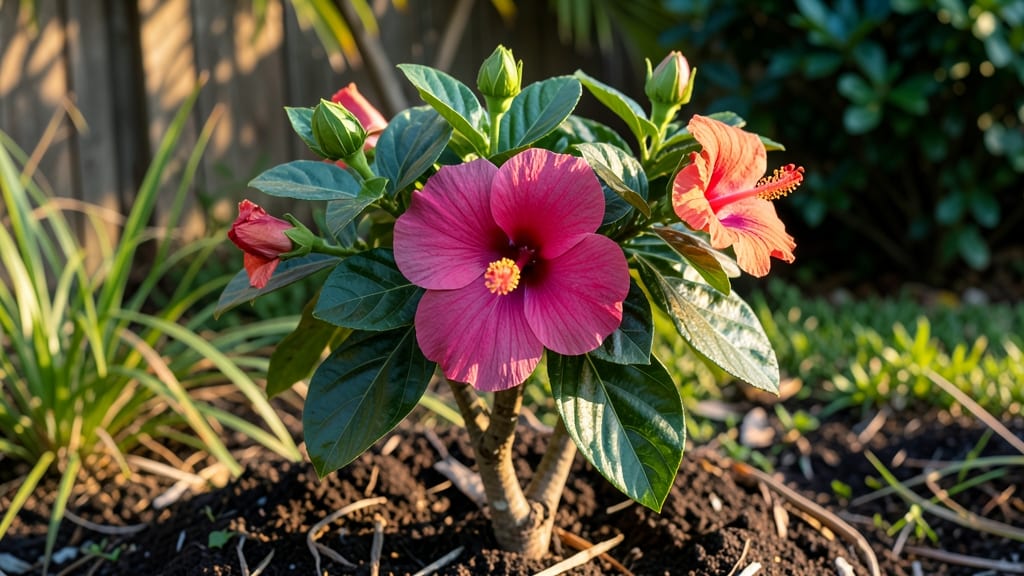
Hibiscus bloom in Florida when temperatures climb above 70°F and stay there — usually kicking off in late winter and lasting through fall, with tropical varieties showing off nonstop.
Florida’s year-round warmth makes hibiscus a stunning, low-maintenance addition to any garden—but timing their blooms correctly ensures vibrant flowers all season long. If you’ve ever wondered why your hibiscus blooms fade at certain times, the answer lies in Florida’s heat cycles and variety-specific triggers.
Tropical hibiscus, like the classic Hibiscus rosa-sinensis, can flower year-round with the right care, while hardy types may take a brief break in summer’s peak heat. The key? Pruning, sunlight, and knowing when to feed your plants to keep them blooming.
Below, I’ll break down the exact months hibiscus bloom in Florida’s different regions, how to extend their season, and the simple tricks that keep your 🌸 hibiscus thriving through every heat wave.
Hibiscus bloom timeline in Florida by month: heat-triggered stages
Florida’s tropical and subtropical climates create perfect conditions for hibiscus, but their blooming cycles are tightly linked to heat triggers and seasonal shifts. Unlike northern states, Florida hibiscus don’t experience true dormancy—yet they still follow predictable bloom patterns influenced by temperature spikes and humidity levels.
Understanding these monthly stages helps you anticipate vibrant displays and adjust care routines accordingly.
Tropical hibiscus (Hibiscus rosa-sinensis) dominate Florida gardens, blooming nearly year-round with peak intensity during spring and summer months. Hardy varieties like Hibiscus moscheutos (swamp hibiscus) show seasonal peaks tied to Florida’s rainy season transitions.
Even hybrid varieties respond to heat-induced stress, often producing flushes of blooms after pruning during hot spells.
| Month | Tropical Hibiscus | Hardy Hibiscus | Heat Trigger | Care Tip |
|---|---|---|---|---|
| January | Moderate blooms | Dormant | 65-75°F | Light pruning |
| February | Increasing blooms | Bud formation | 70-78°F | Fertilize |
| March | Peak blooms | Early blooms | 75-85°F | Water deeply |
| April | Continuous blooms | Full bloom | 80-90°F | Prune spent blooms |
| May | Heavy blooms | Peak season | 85-95°F | Mulch plants |
| June | Consistent blooms | Declining | 90-95°F (heat stress) | Shade cloth |
| July | Moderate blooms | Dormant | 90-98°F (heat dormancy) | Reduce watering |
| August | Reblooming | Budding | 88-92°F (rainy season) | Prune aggressively |
| September | Peak again | Full bloom | 85-90°F | Fertilize lightly |
| October |
Top 5 hibiscus varieties in Florida and their unique blooming cyclesFlorida’s diverse climate supports two main hibiscus categories: tropical varieties that thrive year-round and hardy types that adapt to seasonal shifts. Understanding their unique blooming cycles helps you choose the perfect hibiscus for your garden. Tropical hibiscus like Hibiscus rosa-sinensis bloom continuously when conditions are ideal, while hardy varieties may have distinct seasonal peaks. Each variety responds differently to Florida’s heat and humidity. For example, Hibiscus moscheutos (swamp hibiscus) often blooms in late spring through summer, while Hibiscus syriacus (rose of Sharon) may flower in late summer to fall. Strategic care can extend these bloom windows significantly—especially in Florida’s 9a-11 USDA zones. My Hibiscus rosa-sinensis (tropical hibiscus) blooms almost continuously when I maintain consistent moisture and balanced fertilizer. The key is removing spent blooms—this prevents energy waste and encourages new flowers. For hardier varieties like Hibiscus moscheutos, I’ve found that late winter pruning (just before new growth) triggers earlier blooms by redirecting energy to flower production. To extend blooming seasons, I recommend monthly pruning for tropical hibiscus and seasonal fertilizer shifts for hardy types. For example, switching to a low-nitrogen fertilizer in late summer can prompt Hibiscus syriacus to bloom later into fall. Florida’s humidity levels also play a role—ensure good airflow to prevent fungal issues that can stress plants. For year-round color, mix tropical and hardy varieties. Plant Hibiscus rosa-sinensis near patios where you’ll enjoy continuous blooms, while Hibiscus moscheutos thrives in wetter areas like rain gardens. Always monitor your hibiscus’s response to Florida’s heat spikes—providing afternoon shade during summer can prevent bud drop in sensitive varieties. Remember that soil pH matters: hibiscus prefer slightly acidic soil (pH 6.0-6.5). If your local soil is alkaline, amend with peat moss or sulfur to create optimal growing conditions. With the right variety selection and care, you can enjoy hibiscus blooms in Florida from spring through fall, with some varieties even flowering lightly in winter. |