
Blooming
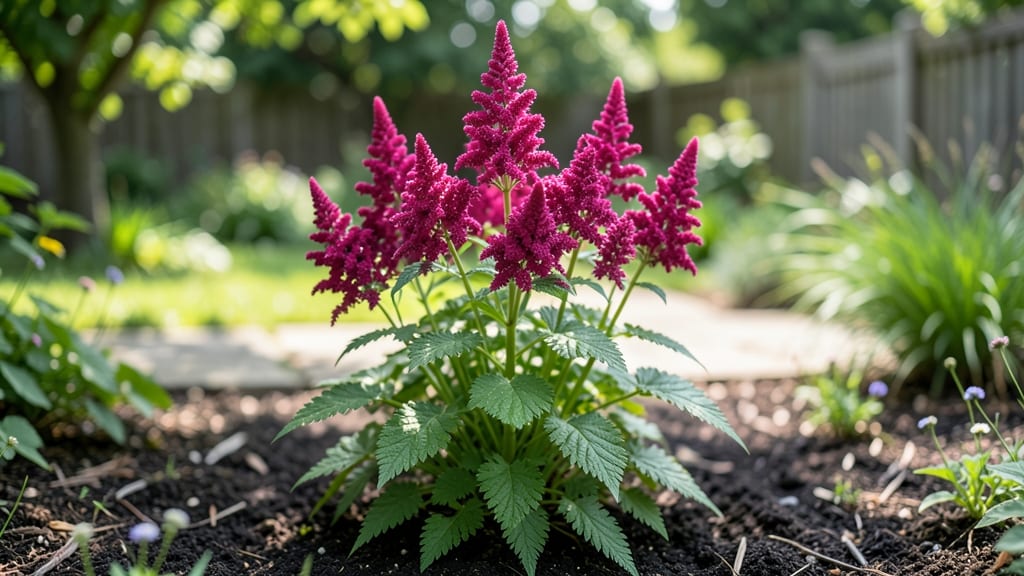
The astilbe bloom time in early summer transforms gardens into a sea of delicate plumes 🌸, lighting up landscapes from June through July in most hardiness zones.
If you’ve ever wondered why your astilbe plants aren’t blooming when expected—or how to time your garden for their most stunning displays—this month-by-month guide will unlock the secrets to perfect timing based on your hardiness zone.
Timing matters because astilbe thrives in cooler temperatures, and too much heat can shorten its bloom time. The right balance of sunlight, soil moisture, and cultivar choice makes all the difference between a fleeting show and weeks of fluffy, feathery beauty.
Here’s what you’ll discover: the exact months astilbe blooms in your zone, how to extend its season, and the simple fixes that keep those plumes vibrant longer than ever.
When astilbe blooms by hardiness zone: a month-by-month breakdown
Astilbe's delicate plume-like blooms are a garden highlight, but their timing varies dramatically depending on your USDA hardiness zone and variety. Understanding these patterns lets you plan peak bloom displays and extend their showstopping season. Let's explore how early, mid, and late-season varieties perform across zones 3 through 9.
Most astilbe varieties bloom between late spring and early fall, but exact timing shifts north-to-south.
In cooler zones (3-5), blooms arrive earlier due to shorter growing seasons, while warmer zones (7-9) enjoy extended displays. Bud formation is your first visual cue—look for tight, feathery clusters that gradually unfurl into fluffy plumes.
Visual cues help track progress: bud formation appears as small, compact heads in early spring, peak bloom shows fully unfurled plumes (usually 4-6 weeks later), and fading flowers turn brown and flop. Timing these stages lets you schedule deadheading or fertilizer applications for maximum impact.
Here's how bloom timing breaks down by zone and variety type:
| Zone | Variety Type | Bud Formation | Peak Bloom | Fading Begins | Duration |
|---|---|---|---|---|---|
| 3-4 | Early (e.g., 'Fanal') | Late May | Early June | Mid-July | 6-8 weeks |
| 3-4 | Mid (e.g., 'Deutschland') | Early June | Late June | Early August | 8-10 weeks |
| 3-4 | Late (e.g., 'Glut') | Late June | Early July | Mid-September | 10-12 weeks |
| 5-6 | Early (e.g., 'Fanal') | Mid-May | Late May | Early July | 7-9 weeks |
| 5-6 | Mid (e.g., 'Deutschland') | Late May | Early June | Late July | 9-11 weeks |
| 7-9 | Early (e.g., 'Fanal') | April | Mid-May | Early July | 10-12 weeks |
| 7-9 | Late (e.g., 'Glut') | May | June
How to extend astilbe bloom time with simple gardening hacksAstilbe plants are famous for their feathery plumes, but their blooms can fade faster than expected. The good news? With a few targeted strategies, you can extend their showstopping display by 3-4 weeks. The key lies in proper care and creating ideal growing conditions that encourage repeat blooming. From deadheading to strategic companion planting, these hacks focus on what astilbe needs most: consistent moisture, rich soil, and protection from harsh afternoon sun. Let's explore the most effective methods ranked by impact, so you can keep your astilbe looking fresh all season. Start with deadheading—removing spent blooms—right after they fade. This simple task tricks your astilbe into producing new flowers by redirecting energy from seed production. Use clean, sharp pruners to snip stems just above a leaf node, and repeat every 2-3 weeks during peak bloom. Next, focus on watering consistency. Astilbe thrives on moist, well-draining soil, so water deeply 2-3 times per week during hot spells. Mulch with 2-3 inches of organic matter like shredded bark to retain moisture and regulate soil temperature. Avoid overhead watering to prevent fungal diseases that can stress plants. Boost bloom time further by amending your soil with compost or aged manure in early spring. Astilbe prefers slightly acidic to neutral soil (pH 6.0-6.5). Test your soil and adjust with lime or sulfur if needed. A balanced 10-10-10 fertilizer applied every 4-6 weeks during the growing season also encourages lush, long-lasting blooms. Strategic companion planting can also extend your astilbe's display. Pair it with hostas or ferns to create shade and retain soil moisture. Avoid planting near competing perennials like daylilies, which can steal nutrients. For added color contrast, try heuchera or coral bells nearby—their foliage complements astilbe's plumes beautifully. Finally, manage light exposure carefully. While astilbe loves morning sun, afternoon rays can scorch delicate blooms. If your garden receives harsh afternoon light, provide dappled shade using sheer curtains or nearby trees. In containers, move pots to a shadier spot during peak heat hours for maximum longevity. |