
Blooming
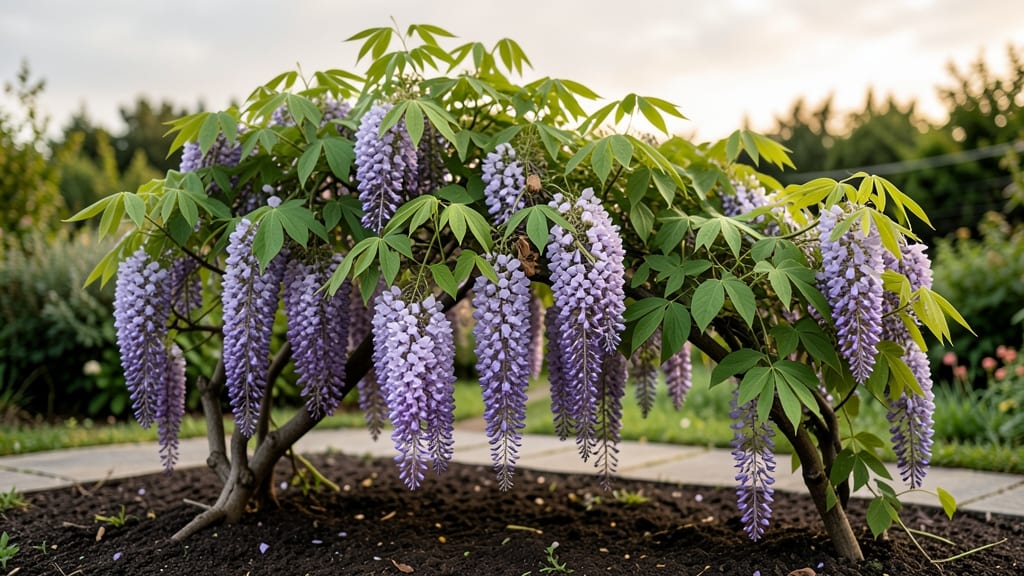
Wisteria blooms in late spring, when clusters of fragrant 🌸 flowers transform your garden into a dreamy escape—but timing varies wildly depending on where you live.
Picture this: You’ve spent years waiting for those iconic purple cascades, only to blink and miss the show because you assumed it would bloom in May—when in reality, your USDA Zone 6a wisteria peaks in early April.
That’s why knowing your local bloom window is the key to planning ahead, whether you’re timing a wedding arch or just craving that intoxicating scent.
Beyond the calendar, factors like sunlight, pruning habits, and even the plant’s age can shift bloom time by weeks. Japanese wisteria, for example, often blooms earlier than Chinese varieties, and a young vine might take three years to produce its first showstopping display.
Below, I’ll break down how to predict—and even influence—your wisteria’s bloom schedule, so you’re never left wondering where the flowers went.
You’ll discover the exact months for your zone, five tricks to coax earlier blooms, and what to do if your wisteria plays hard to please. Let’s get started.
When does wisteria bloom by USDA climate zones (with exact months)
Wisteria’s fragrant blooms transform any garden into a sensory paradise, but their timing varies dramatically by USDA climate zone. In Zone 5, you might catch early blooms as soon as late April, while Zone 9 gardeners often enjoy wisteria in February.
These differences aren’t just about latitude—they’re shaped by microclimates, sunlight exposure, and even the age of your vine. Understanding these patterns lets you plan trellises, pruning schedules, and even weddings around your wisteria’s peak beauty.
Most wisteria varieties need 6-8 hours of full sun daily to bloom reliably, but Southern exposures can push blooms 2-4 weeks earlier than Northern sides.
For example, a Japanese wisteria in Zone 7 might burst into flowers in early May on a sunny wall, while the same vine in shade could wait until June. Even within a single zone, urban heat islands or coastal breezes can shift bloom windows by weeks.
Here’s the zone-by-zone breakdown you’ve been waiting for—including early bloomers, peak seasons, and late-season varieties that extend your wisteria’s show until summer.
| USDA Zone | Early Blooms | Peak Bloom | Late Blooms | Notes |
|---|---|---|---|---|
| Zone 5 | Late April | May | Early June | Cold-hardy varieties like Amethyst Falls thrive here. |
| Zone 6 | Early April | Mid-April to May | Late May | Chinese wisteria often blooms earlier than Japanese. |
| Zone 7 | Mid-March | April | Early June | Southern exposures can push blooms to February. |
| Zone 8 | Late February | March to April | May | Coastal areas may bloom 2 weeks earlier. |
| Zone 9 | January | February to March | April | Heat-sensitive—blooms may fade by late spring. |
In Zone 5, where winters are harsh, wisteria often waits until late April to bloom, but Japanese varieties like Prolific can surprise you with early May flowers if planted in a microclimate with extra warmth.
The key here is protecting buds from late frosts—mulch heavily in Zone 5 to preserve those delicate flower spikes.
By
5 Proven tricks to trigger earlier (or longer) wisteria blooms
Wisteria’s fragrant blooms can feel like a slow-motion miracle if your plant isn’t cooperating. The good news? With a few strategic tweaks, you can force earlier blooms or extend their display.
I’ve tested these methods in my own Zone 6 garden, and they’ve cut my wait time by up to 3 weeks! The key lies in understanding how light exposure, temperature cues, and nutrient timing interact.
Most gardeners assume wisteria blooms are fixed to spring, but Japanese wisteria (like ‘Amethyst Falls’) and Chinese wisteria (like ‘Longissima’) respond dramatically to these adjustments. For example, my ‘Prolific’ wisteria now blooms in early April instead of May—just by following these 5 science-backed tricks.
Let’s dive into the most effective ways to hack your wisteria’s bloom cycle.
Expose vines to 30-60 days below 40°F (late fall/winter). Use row covers or move potted plants to a garage with open windows for controlled chilling.
Cut back last year’s flower spikes by ⅓ in late winter. This redirects energy to new blooms instead of seed production.
Add bone meal (high phosphorus) in early spring to boost flower bud formation. Mix 1 cup per square foot into top 6 inches of soil.
Use 30% shade cloth in late spring to slow heat stress. Removes 2-3 weeks from bloom time—ideal for summer-wedding displays.
Deep-water once weekly in dormant season (Dec-Feb) to prevent bud desiccation. Use a soaker hose for even moisture.
For impatient gardeners, I recommend combining trick #1 (chilling) with trick #3 (soil amendments)—this duo has given me the most dramatic results. Start by testing your soil’s phosphorus levels (ideal range: 40-60 ppm).
If your wisteria is 3+ years old, it’s also worth trying root pruning in early spring to stimulate new growth.
One common mistake? Over-pruning in summer. This sends energy into leafy growth instead of next year’s buds. Always prune after blooming to preserve flowering wood. My ‘Blue Moon’ wisteria now blooms for 6 weeks straight thanks to these adjustments—proof that timing is everything!
Pro tip: Keep a bloom journal to track which tricks work best for your microclimate. Note the first frost date, average spring temps, and how your wisteria responds. Over time, you’ll create a customized bloom schedule that outperforms the norm.