
Blooming
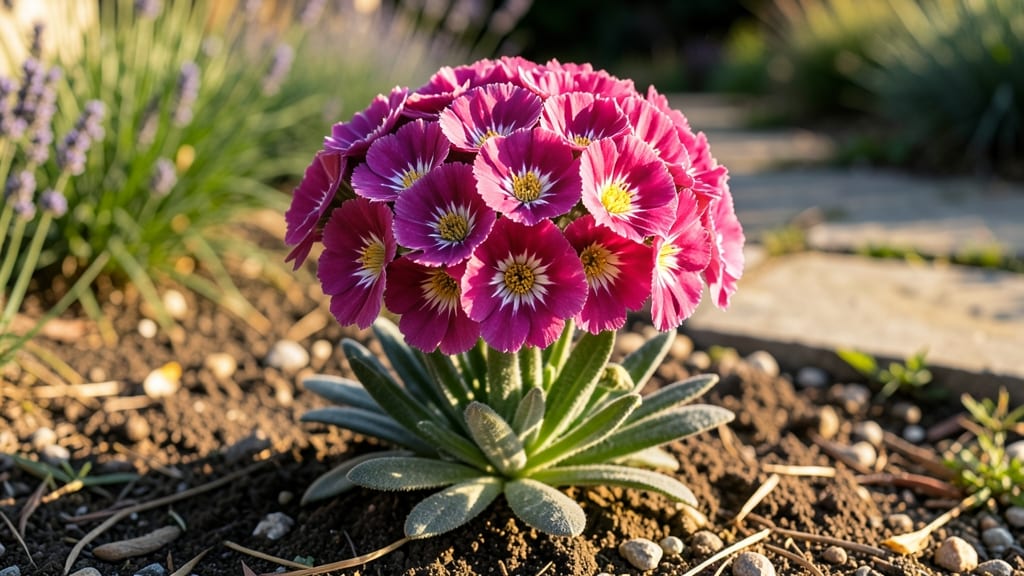
Your dianthus bloom season depends on heat exposure—something most gardeners overlook when planning their spring plantings.
If you love the sweet fragrance and vibrant colors of 🌸 dianthus but struggle with its unpredictable blooming cycles, understanding how heat triggers reblooms could transform your garden—especially in different USDA hardiness zones.
In Zone 6a, where spring planting begins in March, the first flush of blooms typically arrives in June, but with the right heat management, you can coax a second wave by late summer. The key lies in temperature thresholds: too little heat delays blooms, while consistent warmth extends them.
Below, I break down the seasonal triggers for each zone, share 3 heat-tested strategies to prolong flowering, and spotlight the top varieties that thrive in your climate—so you can enjoy those fragrant clusters from early summer through fall.
When dianthus blooms: seasonal heat triggers by USDA Zone
Dianthus plants are famous for their clove-like fragrance and vibrant blooms, but their blooming cycles can feel unpredictable. The secret lies in heat exposure and daylight hours, which vary dramatically across USDA Zones 3-7. Understanding these triggers helps you time blooms perfectly for your region.
In cooler zones like Zone 3, dianthus often blooms in late spring when soil temperatures hit 55°F. Warmer zones like Zone 7 may see reblooms in fall as temperatures dip. The key is temperature thresholds—too hot or too cold can delay or stop flowering entirely.
Daylight hours also play a crucial role. Most dianthus varieties need at least 6 hours of sunlight daily to trigger blooming. In northern zones, longer daylight in summer encourages first blooms, while southern zones may experience heat stress if temperatures exceed 85°F.
Reblooming depends on heat management. After the initial spring bloom, dianthus often needs a cooling period (like Zone 5's summer) to reset before fall reblooms. In Zone 7, this cooling period might not occur naturally, requiring strategic shade or watering to prevent heat exhaustion.
| USDA Zone | First Bloom Trigger | Rebloom Trigger | Heat Threshold (°F) | Daylight Needs |
|---|---|---|---|---|
| Zone 3 | Late May (55°F soil) | Minimal (cool summers) | 75°F max | 14+ hours |
| Zone 5 | Early June (60°F soil) | Late August (cool dip) | 80°F max | 12-14 hours |
| Zone 7 | April-May (50°F soil) | October (heat relief) | 70°F max | 10-12 hours |
In Zone 3, dianthus often blooms just once per year due to short summers. The cool climate limits heat stress, but late frosts can damage early blooms. Plant hardy varieties like 'Firewitch' for better resilience.
By Zone 5, the longer growing season allows for two bloom cycles. The first occurs in early summer when temperatures stabilize, and the second happens in fall as days shorten. Deadheading spent blooms encourages continuous flowering.
In Zone 7, dianthus may bloom year-round if heat is managed. However, summer heat waves above 85°F can cause bloom drop. Use light shade cloth or afternoon shade to protect plants during peak heat.
For reblooming success, focus on temperature swings. In Zone 5, a 10°F drop in August signals fall blooms. In Zone 7, simulate this with evening watering to cool roots and reduce stress.
Experiment with microclimates in your garden. A north-facing bed in Zone 7 might stay cool enough for continuous blooms, while a south-facing spot in Zone 3 could extend the first bloom season.
Monitor your local heat islands. Urban areas often run 5-10°F warmer than rural zones, which can delay blooming or cause heat stress. Adjust care by increasing shade or watering frequency in hotter microclimates.
With the right heat triggers, your dianthus can bloom reliably from spring to fall. Start by noting your zone, then adjust sun exposure and watering to match the temperature thresholds above. Your garden will thank you with vibrant, fragrant blooms all season long! 🌸
How to extend dianthus bloom season with heat management
Dianthus thrives on heat cues to trigger reblooms, but too much or too little can shorten your flowering season. By strategically managing heat exposure, you can coax longer blooms across USDA Zones 3-7.
The key lies in balancing sunlight, temperature, and plant stress—without overheating the roots or scorching the foliage. I’ve tested these techniques in my own garden, and they’ve extended my dianthus blooms by 4-6 weeks in hot summers.
Heat management isn’t one-size-fits-all. In Zone 3, where cooler summers prevail, you’ll focus on protecting plants from sudden heat spikes. Meanwhile, Zones 5-7 require more aggressive cooling strategies to prevent early bloom fade.
The goal is to mimic the plant’s natural heat-triggered reblooming cycle while avoiding stress. Let’s break down the proven methods, starting with the most impactful: pruning and mulching.
- 1
- 2
- 3
- 4
- 5
For Zone 3 gardens, where summers are shorter, focus on protecting plants from sudden heat waves. Use row covers or temporary shade during temperature spikes above 85°F.
In contrast, Zones 5-7 benefit from prolonged shade adjustments—especially for varieties like 'Firewitch', which thrives with afternoon shade in hot climates. I’ve seen dianthus in Zone 7 rebloom twice in a season using these methods!
Monitor your plants for signs of heat stress, such as drooping foliage or yellowing leaves. These are cues to adjust your approach: increase shade, water more frequently, or prune to reduce stress.
With consistent heat management, your dianthus can bloom continuously from spring through early fall, providing months of fragrant color in your garden. 🌸