
Blooming
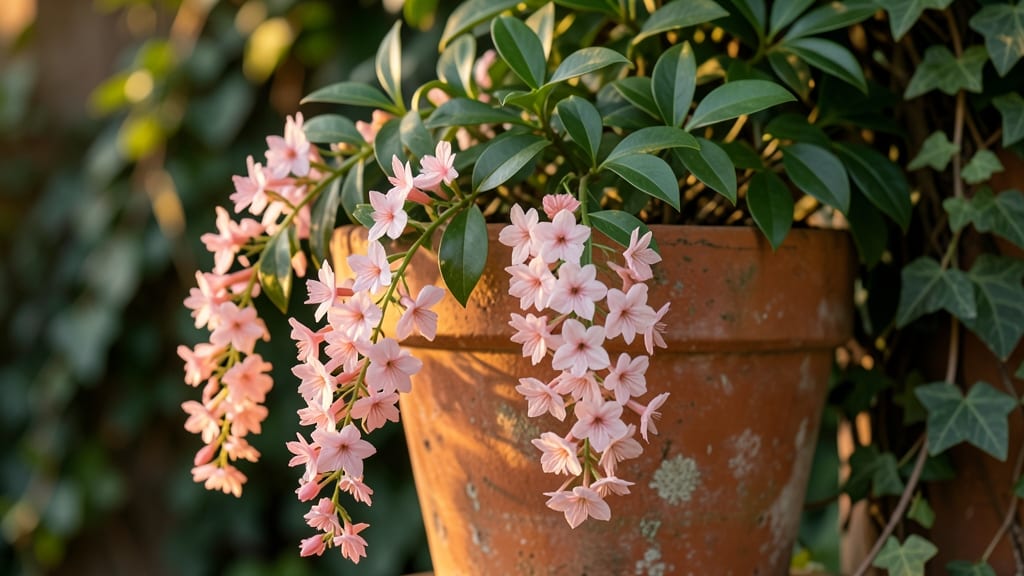
Jasmine blooms in Florida typically run from late spring through summer, with peak flowering in May and June. Some varieties like star jasmine may start earlier in milder winters, while frost-sensitive types pause blooming during cold snaps and revive once temperatures consistently stay above 60°F.
Florida's climate creates a perfect environment for jasmine, but timing varies dramatically across the state's USDA zones 8-11.
In northern Florida, cooler winters can delay blooming until late spring, while southern regions often see earlier starts. 🌸 The humidity also plays a crucial role—higher moisture levels enhance fragrance intensity but may shorten individual bloom cycles.
For gardeners, this means planning pruning sessions after the first frost to encourage stronger regrowth in spring.
Different jasmine varieties respond uniquely to Florida's heat. Star jasmine often blooms earliest in spring, while Arabian jasmine peaks in summer heat. Night-blooming jasmine thrives in the state's warm nights, producing fragrant flowers that open after sunset.
Understanding these patterns helps gardeners select varieties that align with their preferred bloom times and climate conditions.
💡 In This Article
- Florida’s Heat Zones and Their Impact on Jasmine Blooming Seasons
- Best Jasmine Varieties for Florida’s Climate and Their Bloom Triggers
Florida’s heat zones and their impact on jasmine blooming seasons
Florida spans USDA hardiness zones 8-11, creating dramatic differences in bloom timing. In zone 8 (northern Florida), jasmine plants often delay blooming until late May or June due to cooler winters, while zone 11 (southern Florida) may see flowers as early as March.
The transition between zones creates a 2-3 month difference in bloom windows—something gardeners must account for when selecting varieties or planning fragrance displays.
The state's high humidity—often exceeding 80% relative humidity—plays a dual role in jasmine blooming.
While it intensifies the plant's signature floral aroma (thanks to volatile organic compounds like benzyl acetate), it can also shorten individual bloom cycles from 3-5 days in drier conditions to just 1-2 days during peak humidity.
This explains why Florida jasmine often appears in continuous waves rather than prolonged single blooms. 🌿 Coastal areas experience even more pronounced effects, with salt spray sometimes requiring extra care to maintain healthy foliage.
Temperature thresholds are critical triggers for blooming. Most jasmine varieties require daytime highs of 75-85°F and nighttime lows above 60°F to initiate flowering.
In northern Florida, where winter lows can dip below 30°F, frost-sensitive types like Arabian jasmine may shut down completely, while hardier varieties like star jasmine often survive with minimal damage. This explains why gardeners in zone 8 report more sporadic blooming patterns compared to their southern counterparts.
Another key factor is Florida's microclimates. Even within the same zone, urban areas with heat islands may see blooming 2-4 weeks earlier than rural locations. For example, Miami's urban heat often triggers earlier blooms in zone 10B compared to nearby Everglades regions.
Gardeners can leverage this by selecting shade-tolerant varieties for cooler microclimates or heat-loving types for sun-exposed areas. 🌞
What most people don't realize is how Florida's hurricane season (June-November) affects blooming. While jasmine is generally resilient, strong winds and heavy rain can strip flowers or damage new growth.
This is why many Florida gardeners time major pruning for late winter—just before the blooming season begins—to encourage robust regrowth before the storm season peaks.
For those tracking specific bloom windows, here's a general zone-by-zone breakdown:
- Zone 8 (North Florida): Blooms primarily May-July, with some varieties extending into August
- Zone 9 (Central Florida): Peak blooming April-June, with secondary waves in September
- Zone 10-11 (South Florida): Continuous blooming from March-October, with minimal winter dormancy