
Blooming
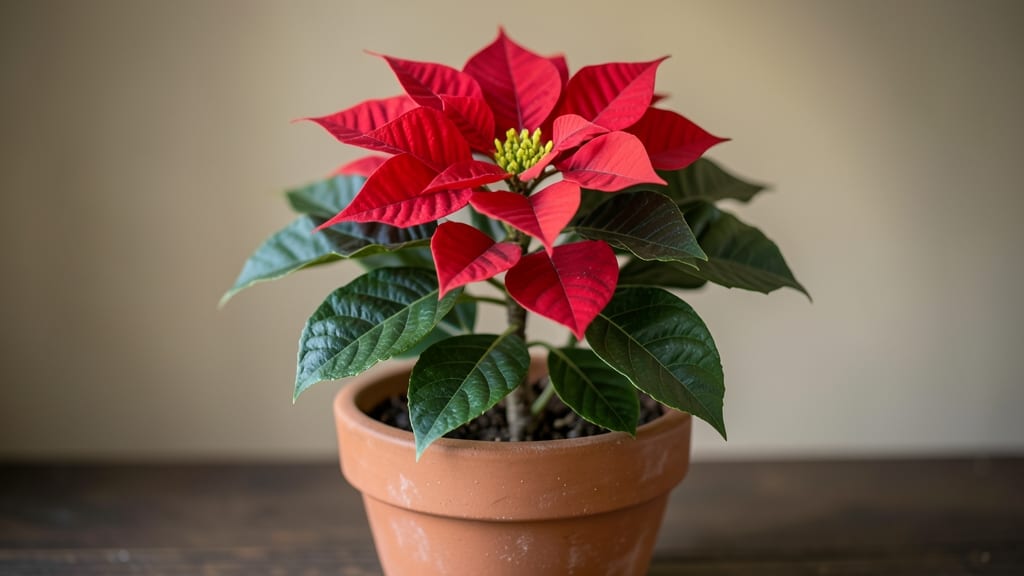
Poinsettias bloom naturally in late fall to winter 🎄 when exposed to 12+ hours of darkness each night, a light-triggered response that explains their seasonal magic.
If you’ve ever wondered why your poinsettia blooms in December but disappears by spring, the answer lies in its natural light response—and you can control it with simple timing tricks.
These tropical plants, native to Mexico’s warm climates, rely on shorter daylight hours to signal blooming. In zones 10-12, they thrive year-round, but cooler climates need early fall prep to coax those vibrant bracts.
Below, I’ll show you how to manipulate light exposure—whether indoors or out—to time blooms for holidays, avoid common mistakes, and keep your poinsettia looking its best through the winter months.
The science behind poinsettia blooming: how light triggers natural flowering
Poinsettias are famous for their vibrant Christmas blooms, but their flowering isn’t magic—it’s science. These plants are short-day plants, meaning they bloom when days grow shorter and nights longer.
In their native Mexico and Central America, poinsettias naturally flower in late fall to winter when daylight drops below 12 hours. This light response is called photoperiodism, and it’s why your holiday plant follows a strict seasonal schedule.
Understanding this process helps explain why store-bought poinsettias bloom in December but often fade by spring. Commercial growers carefully control light exposure to trigger blooms for the holiday market. At home, we can mimic this natural timing—but many gardeners accidentally disrupt it with inconsistent lighting or temperature shifts.
The key to success lies in 12+ hours of uninterrupted darkness each night, starting in late summer.
⚠️ CRITICAL FACT: Even a few minutes of light during the dark period can reset the blooming cycle. This is why indoor lights or streetlights can prevent poinsettias from flowering at all. The plant’s internal clock is extremely sensitive to light exposure during these critical nighttime hours.
| Stage | Natural Light Condition | Bloom Trigger | Typical Month |
|---|---|---|---|
| Vegetative Growth | 12+ hours daylight | No blooming signal | March–July |
| Pre-Bloom (Short Days) | ≤12 hours daylight | 12+ hours darkness | August–October |
| Blooming | 10–11 hours daylight | Continuous darkness | November–January |
| Post-Bloom | Increasing daylight | Natural decline | February–March |
Poinsettias begin their blooming cycle when daylight drops to 10–11 hours per day. This typically happens in late September to early October in most U.S. regions.
The plant’s bracts (those colorful leaves) develop color in response to this light change, but they won’t fully bloom without 14–16 weeks of proper darkness. That’s why commercial growers start their light manipulation as early as July to ensure December blooms.
If you buy a poinsettia in December and let it go dormant, it may not rebloom the next year because its natural cycle has already passed. To encourage a second bloom, you’d need to restart the 12-hour darkness treatment in late summer—something most home gardeners overlook.
This is why poinsettias are often treated as seasonal plants rather than perennial favorites.
The photoperiodism process works like this: During short days, the plant produces a hormone called florigen, which signals blooming. However, even a 30-minute interruption of light during the dark period can delay or prevent flowering entirely.
This is why gardeners must be precise with timing—especially if they want blooms outside the traditional holiday window.
Temperature also plays a role, though light is the primary trigger. Poinsettias thrive in 65–75°F during growth and need cooler nights (55–60°F) to set buds properly. Fluctuations outside this range can stress the plant and disrupt blooming.
For example, a sudden cold draft or heat source near a window can throw off the delicate balance required for flowering.
Many home gardeners accidentally reset the blooming cycle by keeping poinsettias under artificial lights at night. Even LED nightlights or streetlights shining on windows can prevent blooming. The solution?
Move your poinsettia to a dark closet or covered area for 14 hours each night starting in late summer. This mimics the natural short-day conditions that trigger blooms.
Commercial growers use blackout curtains or automated light systems to control this process precisely. At home, you can achieve similar results with a simple black plastic bag or lightproof box placed over the plant each evening.
The goal is to ensure zero light exposure during the critical dark period—even moonlight can sometimes interfere.
Once you understand this light-triggered process, you can time poinsettia blooms for any season. Want spring blooms? Start the darkness treatment in November. Aiming for Valentine’s Day? Begin in December.
The key is patience and consistency—just like training a plant to follow your schedule instead of nature’s. With the right timing, you can enjoy vibrant poinsettia blooms year-round, not just at Christmas. 🎄
How to time poinsettia blooms naturally: step-by-step light control guide
Poinsettias naturally bloom in late fall to winter, typically between October and December, when daylight hours shorten. This short-day plant responds to 12+ hours of darkness each night, triggering its vibrant bracts to develop. Understanding this natural cycle lets you control blooming timing for holidays or year-round enjoyment.
To force blooms at your desired date, start manipulating light exposure 16-20 weeks beforehand. For example, plant in July for Christmas blooms or September for Thanksgiving. The key is creating consistent darkness while maintaining bright indirect light during daylight hours.
- Start with 6+ hours of bright indirect light daily (east/west window or grow lights). Avoid direct sun to prevent leaf scorch.
- Initiate darkness treatment 16-20 weeks before desired bloom date. Use a blackout cover or move plant to a dark closet for 14 hours nightly.
- Maintain strict timing: Start darkness at 5 PM and remove cover by 8 AM daily. Even 1 hour of light can disrupt blooming.
- Adjust for seasonal changes: In summer, extend darkness to 15 hours (e.g., cover at 4 PM). In winter, reduce to 13 hours (cover at 6 PM).
- Monitor bract color development (the "flowers"). Red/pink hues appear 6-8 weeks into treatment. Once blooms form, stop darkness treatment to prolong display.
- Post-bloom care: Keep in bright light and water moderately. After blooms fade, prune back and restart light treatment for next season.
For indoor positioning, place your poinsettia near an east-facing window for gentle morning light, then use a blackout curtain at night. Rotate the pot quarter-turns weekly to ensure even growth. If using grow lights, provide 12-14 hours of light daily before initiating darkness treatment.
Outdoor gardeners in USDA Zones 10-12 can grow poinsettias year-round, but container plants are easier to manipulate. Move potted plants outdoors in spring for fresh air, then bring them back indoors before fall to restart blooming cycles. Never expose plants to frost—they’re tropical and sensitive to cold.
Pro tip: Use a timer-controlled blackout box for precision. Set it to cover your plant automatically at 5 PM and uncover at 8 AM, eliminating guesswork. With practice, you’ll achieve perfectly timed blooms for any holiday or event. 🎄