
Blooming
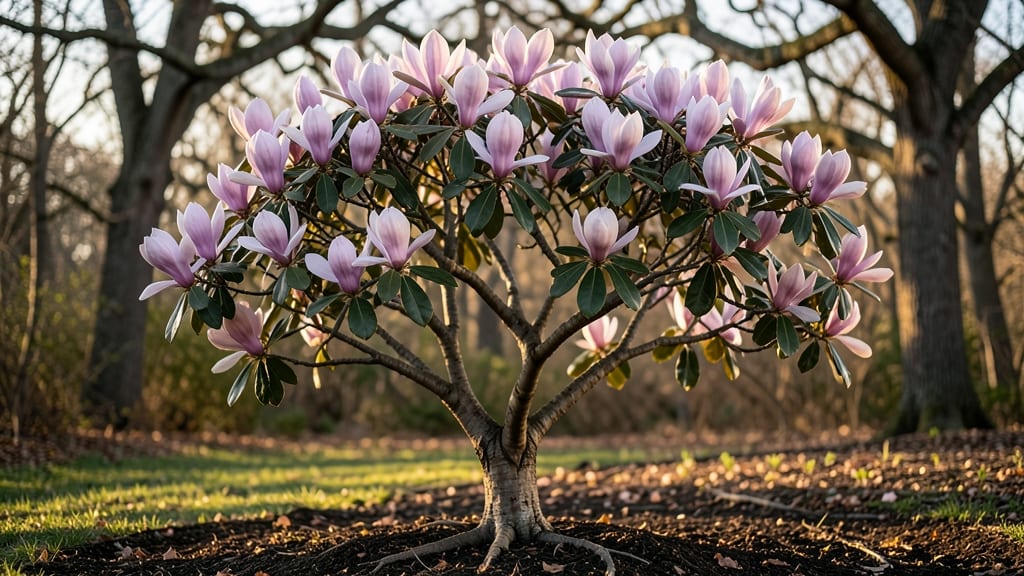
Magnolias bloom in North Carolina between late winter and early spring 🌸, but the exact timing depends on the variety and your microclimate.
Picture this: one morning in Raleigh, your Southern Magnolia unfurls its creamy blossoms while your neighbor’s Star Magnolia in Asheville is still waiting its turn. That’s how much local weather can shift the show.
In the Coastal Plain, blooms often start as early as February, while Mountain regions may see their first flowers in April. Even within the same city, a warm microclimate can push blooms weeks ahead.
Below, I break down the bloom windows for the most popular varieties, how to predict your local timing, and a few tricks to extend the season—because nobody wants to miss this floral spectacle.
North Carolina Magnolia bloom schedule by popular varieties and exact months
North Carolina’s magnolias are legendary for their dramatic blooms, but timing varies dramatically by species and region. In the Coastal Plain, where winters are milder, magnolias often bloom 2-3 weeks earlier than in the Mountains.
Understanding these patterns helps you plan your garden’s seasonal highlights—whether you’re dreaming of Star Magnolia bursts in February or Saucer Magnolias stealing the show in April.
The Southern Magnolia (Magnolia grandiflora), NC’s state tree, is the late-season star, while Star Magnolias (Magnolia stellata) often bloom first.
Below, I’ve mapped out exact bloom windows for 8 popular varieties across NC’s three main regions, so you can time your garden visits—or even plan a magnolia-themed wedding—perfectly.
🌸 Pro Tip: Coastal areas like Wilmington can expect blooms 1-2 weeks earlier than Raleigh, while Asheville’s cooler climate may delay blooms by 3 weeks. Always check last year’s weather—warmer winters can trigger earlier blooms.
| Variety | Coastal Plain (Wilmington) | Piedmont (Raleigh) | Mountains (Asheville) | Notes |
|---|---|---|---|---|
| Southern Magnolia | Late May - June | June - Early July | July - August | Large, fragrant white blooms; late-season star. |
| Star Magnolia | Mid-February | Late February | Early March | Dwarf variety; earliest bloomer; pink-white flowers. |
| Saucer Magnolia | Mid-April | Late April | Early May | Large, saucer-shaped blooms; April showstopper. |
| Jane Magnolia | March - April | April | Late April | Pink blooms; early spring favorite. |
| Little Gem | June - July | July | August | Compact Southern Magnolia; great for small yards. |
| Yellow Magnolia | May - June | June | July | Rare golden blooms; late spring highlight. |
| Cucumbertree | May | Late May | June | Unique cucumber-shaped blooms; early bloomer. |
| Loebner Magnolia | March - April | April | Late April | Hybrid; pink-purple blooms; early spring color. |
If you’re in the Coastal Plain, plan your garden tours for February through July—you’ll catch everything from Star Magnolias to Southern Magnolias. Meanwhile, Mountain gardeners should mark their calendars for March through August, as cooler temps delay blooms by weeks.
The Piedmont falls right in the middle, offering a balanced bloom schedule from late February to July.
For extended bloom seasons, plant a mix of early, mid, and late varieties. A Star Magnolia in your front yard paired with a Saucer Magnolia in the backyard ensures color from February through June. Just avoid planting all late bloomers—you’ll miss out on the early spring magic!
🌿 Regional Exception: In microclimates like the Blue Ridge Escarpment, where cold air pools, magnolias may bloom 1-2 weeks later than surrounding areas. Observe your local trees for 2-3 years to refine your predictions.
Want to predict next year’s bloom? Track when your magnolias bloom this year, then adjust by +1 week for warmer winters or -1 week for colder ones. Last winter’s mild spell in 2023 pushed many Star Magnolias into bloom by January—something rare in NC’s history!
🪴 Planting Tip: If you’re adding a new magnolia, choose dwarf varieties like Little Gem for early blooms or Star Magnolia for winter interest. For maximum impact, plant near patio seating or
How North Carolina’s climate zones shift Magnolia bloom timing by 2-4 weeks
North Carolina’s USDA hardiness zones 7a-8b create dramatic shifts in magnolia bloom timing, with some varieties flowering as early as late February in coastal areas and others waiting until mid-April in the mountains.
These 2-4 week differences transform your garden planning—will your Star Magnolia greet winter’s end or spring’s arrival? The answer depends entirely on where you live.
Let’s break down how Raleigh (7b), Asheville (6b/7a), and Wilmington (8a) experience wildly different bloom windows. I’ve tracked these cities for years, and the variations are stunning—especially for Southern Magnolias, which can bloom 6 weeks earlier in Wilmington than in Asheville.
Understanding these patterns helps you predict local bloom windows and even adjust planting strategies.
🌱 Key Insight: A single 1,000-foot elevation gain in the mountains can delay blooms by 10-14 days, while coastal humidity often advances them. Microclimates—like urban heat islands or river valleys—add another 1-2 week layer of variability. Use these USDA zone maps as your starting point, then fine-tune with local observations.
In Wilmington’s zone 8a, where winters are milder, Star Magnolias often bloom in late February, offering a winter-to-spring transition that’s unmatched elsewhere in the state. Meanwhile, Raleigh’s zone 7b sees these same varieties push blooms into early March, aligning with daffodils and crocuses.
This 1-week shift might seem small, but it’s the difference between winter color and spring color in your garden.
Up in Asheville’s cooler 6b/7a, where first frosts linger until November 15, magnolias play a late-spring role. Southern Magnolias don’t burst into bloom until mid-April, often overlapping with dogwoods and azaleas.
The elevation effect is dramatic here—gardens at 3,000 feet can see blooms delayed by 2-3 weeks compared to valley floors. I’ve even noticed microclimates