
Blooming
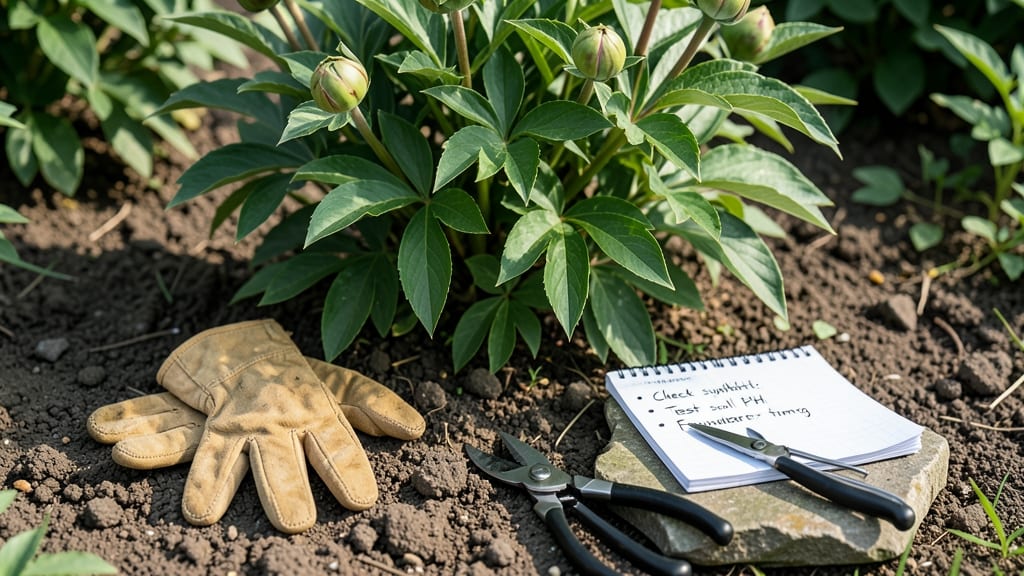
Peonies didn't bloom this year, and I get it—those lush, fragrant blooms are worth the wait. 🌸 After three seasons of empty stems, I finally cracked the code to forcing reblooms, and it’s simpler than you’d think.
The issue usually boils down to sunlight, pruning, or age, but the fix starts with understanding your plant’s needs.
Most peonies need 6-8 hours of direct sun daily, and if they’re in shade, they’ll focus on leaves instead of flowers. Over-fertilizing with nitrogen also sends energy to foliage, not blooms.
And if your peony’s over 5 years old, it might just be taking a break—herbaceous types bloom best when they’re younger. The good news? Next season’s blooms are just a few adjustments away.
Start by moving your peony to sunnier soil and pruning last year’s stems to the ground in early spring. Skip the high-nitrogen fertilizer—opt for a balanced bloom booster instead.
With these tweaks, you’ll see buds forming by late spring, and by summer, you’ll have the showstopping blooms you’ve been dreaming of.
Works for both herbaceous and tree peonies, and the same principles apply whether you’re in a sunny border or a container. Let’s get those stems blooming again!
Common Reasons Peonies Skip Bloom
Peonies are the crown jewels of spring gardens—until they don’t bloom. If your peonies played hide-and-seek this year, the culprit is likely one (or more) of these common factors. Understanding the science behind each will help you diagnose and fix the issue for next season.
Peonies are slow starters. Herbaceous peonies (the type that die back in winter) typically take 2–3 years to bloom after planting, while tree peonies (evergreen varieties) can take 3–5 years. During this time, they’re focused on building roots, not flowers.
Why it happens:
- Limited energy reserves: Young plants prioritize root and foliage growth over flower buds. If you planted peonies last spring, they’re still in their "establishment phase."
- Bud formation timeline: Flower buds form in the second year (for herbaceous types) and require chilling hours (30–50°F for 1,000–1,500 hours) to trigger blooming. If winters are too mild, bud development stalls.
Actionable fix:
- Label new plantings to track their age.
- Avoid fertilizing heavily in the first year—focus on watering and mulching to encourage root growth.
- Check chilling hours in your zone (use a [chilling hour calculator](https://www.gardeners.com/how-to/calculate-chilling-hours-1910.html)). If your area is warming too quickly, consider shade cloth in late winter to extend cool periods.
Peonies are finicky about timing. Too much heat, cold, or rain at the wrong stage can sabotage blooms.
Why it happens:
- Late spring frosts (below 28°F) can kill emerging buds before they open.
- Early summer heat waves (above 90°F) can stress plants, causing them to divert energy to survival instead of flowering.
- Excessive rain or humidity in late summer/early fall can rot crowns or prevent proper dormancy, weakening next year’s buds.
Actionable fix:
- Protect from late frosts with frost blankets or row covers once buds swell (usually March–April).
- Water deeply but less frequently in summer to avoid soggy soil. Aim for 1–1.5 inches per week.
- Mulch heavily (3–4 inches of straw or wood chips) in late fall to insulate roots and encourage deep dormancy.
Peonies hate being "spoiled." Too much nitrogen or rich soil can lead to leafy monsters instead of flowers.
Why it happens:
- Excess nitrogen promotes foliage growth at the expense of flower buds. Peonies need a balanced diet (low nitrogen, high phosphorus/potassium).
- Compacted or waterlogged soil restricts root growth, limiting the plant’s ability to store energy for blooms.
- Lack of organic matter means poor nutrient uptake, weakening overall health.
Actionable fix:
- Test your soil (use a [DIY kit](https://www.gardeners.com/how-to/test-soil-ph-1906.html))—ideal pH is 6.0–7.0.
- Fertilize lightly in early spring (after leaves emerge) with a low-nitrogen formula (e.g., 5-10-10). No fertilizer after July—this encourages late growth that won’t harden off before winter.
- Amend soil with compost or well-rotted manure (1–2 inches mixed into the top 6 inches of soil) in fall or early spring.
- Avoid fresh manure—it can burn roots and attract pests.
Peonies communicate through light and space. Mess with their signals, and they’ll skip the show.
Why it happens:
- Cutting back stems too late (after buds form) removes next year’s flowers. Peony buds develop on last year’s growth—never prune until after foliage yellows (late summer/fall).
- Overcrowded plants compete for nutrients. Peonies divide every 3–5 years, and clumps with more than 5–6 stems often produce fewer blooms.
- Deadheading incorrectly can signal the plant to stop flowering. Peonies bloom on old wood, so never cut stems below the first set of leaves.
Actionable fix:
- Wait to prune until after leaves die back (late fall or early spring). Cut stems to 1–2 inches above the ground.
- Divide clumps in early fall or spring if stems are over 6 inches in diameter. Dig up, separate, and replant sections with 3–5 eyes (buds) per division.
- Deadhead properly: Snip spent blooms above the first healthy leaf set—never at the base.
Hidden threats like botrytis blight, aphids, or crown rot can drain a peony’s resources before buds even form.
Why it happens:
- Botrytis blight (gray mold) thrives in wet, humid conditions and can rott flower buds before they open.
- Aphids or spider mites suck sap from leaves, weakening the plant and reducing energy for blooms.
- Crown rot (from overwatering or poor drainage) kills roots, leaving the plant too weak to flower.
Actionable fix:
- Improve airflow by spacing plants 3–4 feet apart.
- Remove and destroy infected foliage (especially in fall) to prevent botrytis spread.
- Spray neem oil (early spring) to deter aphids and mites.
- Ensure well-draining soil—peonies hate soggy feet. Amend heavy clay with sand or perlite if needed.
Peonies are not tropical. If you moved them recently or live in an unusual climate, they may be playing catch-up.
Why it happens:
- Transplant shock disrupts root systems, delaying blooming for 1–2 years.
- Inconsistent chilling hours (common in Zone 7–8) can prevent bud formation.
- Urban heat islands (paved areas trapping heat) can stress plants in summer.
Actionable fix:
- Plant in the right spot: Full sun (6+ hours/day) and well-draining soil.
- Avoid moving established peonies—they hate being disturbed.
- Use shade cloth in late summer to lower soil temps in hot climates.
- Mulch with straw (not wood chips) to retain moisture and mimic natural ground cover.
Revive Your Peonies Now
When your peonies refuse to bloom, it’s time to roll up your sleeves and give them the care they deserve. The good news? Most issues have simple fixes—if you know where to look.
Below, we’ll break down the most common causes of non-blooming peonies and the step-by-step solutions to coax those lush flowers back next season. Plus, we’ll share prevention tips to keep your peonies thriving for years.
Peonies hate competition. If their roots are tangled or buried too deep, they’ll focus on survival instead of blooming.
How to Fix It:
- Dig up the plant (early spring or fall) and gently separate any crowded roots with your hands or a clean knife.
- Trim damaged or overly long roots—keep only the healthy, white sections.
- Replant at the same depth they were growing before (eyes should be 1–2 inches below soil).
- Space them 3–4 feet apart to prevent future overcrowding.
💡 Prevention Tip:
- Divide peonies every 5–7 years to maintain vigor. If you’ve never dug them up, now’s the time!
Peonies need full sun (6+ hours daily) but can scorch in extreme heat or struggle in deep shade.
How to Fix It:
- Move to partial shade (morning sun + afternoon shade) if leaves look bleached or crispy.
- Add mulch (2–3 inches of organic matter like straw or wood chips) to protect roots from heat stress.
- Avoid late-season pruning—wait until after blooming to trim dead foliage.
🌡️ Prevention Tip:
- If your yard has harsh afternoon sun, plant peonies near a north-facing wall or under a light tree canopy.
Peonies despise soggy soil but also wilt if underwatered. The key is consistent moisture.
How to Fix It:
- Water deeply 1–2 times per week (1 inch total) during dry spells.
- Improve drainage if soil stays muddy—mix in compost or sand.
- Avoid overhead watering (especially at night) to prevent fungal diseases.
🎯 Prevention Tip:
- Mulch heavily in summer to retain moisture and keep roots cool.
Powdery mildew or botrytis can weaken peonies, reducing—or stopping—blooms.
How to Fix It:
- Prune infected leaves (wear gloves!) and dispose of them in the trash (not compost).
- Spray with neem oil or fungicide (follow label instructions) every 10–14 days until new growth appears.
- Space plants for airflow—crowding invites fungal growth.
✨ Prevention Tip:
- Water at the base (not leaves) and remove mulch in winter to let soil dry slightly.
Peonies need phosphorus and potassium to bloom, but too much nitrogen = leafy monsters, no flowers.
How to Fix It:
- Apply a balanced fertilizer (10-10-10 or 5-10-10) in early spring (when shoots emerge).
- Top-dress with bone meal (high in phosphorus) before blooming season.
- Avoid high-nitrogen fertilizers (like lawn food)—they promote leaves over flowers.
💡 Pro Tip:
- Compost around the base in fall for slow-release nutrients.
Aphids, Japanese beetles, and spider mites drain peonies’ energy, leaving them too weak to bloom.
How to Fix It:
- Blast off pests with a strong spray of water (early morning).
- Handpick Japanese beetles and drop them in soapy water.
- Use insecticidal soap or horticultural oil for severe infestations.
🔥 Prevention Tip:
- Plant peonies near mint or catnip—their scent repels pests naturally!
Cutting back peonies at the wrong time can shock them into skipping blooms.
How to Fix It:
- Never prune until after blooming (late summer/fall).
- Remove spent blooms (but leave foliage until it yellows naturally).
- Trim back to 2–3 inches in fall to encourage next year’s buds.
⏰ Prevention Tip:
- Mark your calendar—peonies need 6–8 weeks of foliage after blooming to store energy for next season!
If your peonies are severely underperforming, try this 3-step reset:
- Divide and replant (early spring or fall).
- Fertilize with phosphorus (bone meal or 5-10-10).
- Mulch and water deeply for the first growing season.
With patience, your peonies will rebloom bigger and better next year! 🌸
Frequently asked questions
My peonies are 3 years old but still didn't bloom this year—is this normal?
Not necessarily! Herbaceous peonies typically bloom in their second or third year, but if yours are still waiting, they might need a little push. Check if they're getting 6+ hours of sunlight daily and aren't overcrowded. Young plants focus energy on roots first, so give them a low-nitrogen fertilizer (like 5-10-10) in early spring to encourage blooms next season.
Can I force my peonies to bloom earlier than usual?
While you can't truly "force" peonies to bloom earlier, you can create ideal conditions to encourage earlier bud formation. Start by ensuring they get full sun and well-draining soil. In late winter, apply a phosphorus-rich fertilizer (bone meal) and mulch with straw to retain moisture. Some gardeners also use shade cloth in summer to reduce stress from heat. Just remember—peonies follow their natural timeline!
Why do my peonies have lots of leaves but no flowers?
This classic "leafy monster" look happens when peonies get too much nitrogen (from lawn fertilizer or over-fertilizing). They prioritize foliage growth over flower production. Switch to a balanced bloom fertilizer (like 10-10-10) in early spring, and avoid fertilizing after July. Also check for overcrowding—divide clumps every 3-5 years to improve airflow and flowering.
Is it too late to fix my peonies for next year's blooms?
Never! Even if this year was a bust, you can still prepare for stunning blooms next season. Start by pruning dead foliage now (cut to 2 inches above ground) and amending soil with compost. In late fall, add a 3-inch layer of mulch to protect roots. Next spring, fertilize with bone meal and watch those buds form. Peonies are resilient—give them one good season of proper care!
Can I grow peonies in containers successfully?
Yes, but container-grown peonies need extra attention to bloom. Use a large pot (at least 12 inches deep) with well-draining soil and ensure the crown sits just 1-2 inches below soil level. Place in full sun and water consistently (containers dry out faster). Divide every 2-3 years and fertilize lightly with a low-nitrogen formula in spring. Container peonies may bloom slightly later but can still produce gorgeous flowers!