
Blooming
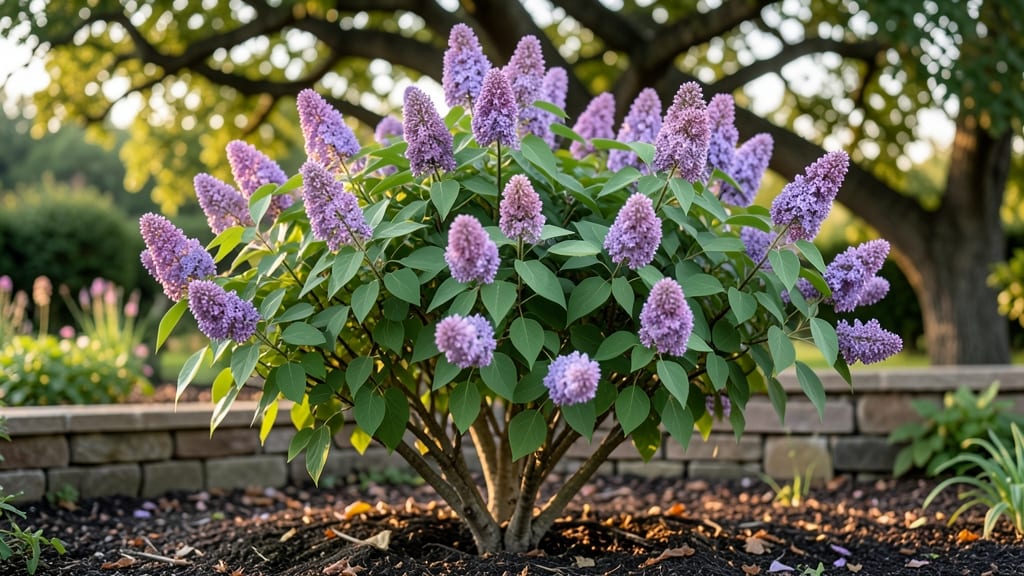
Lilacs bloom in Ohio between late April and June, with most varieties reaching their peak in May—but the exact timing depends on your location, microclimate, and the type of 🌸 you’ve planted.
Ohio’s lilacs burst into fragrant blooms each spring, transforming neighborhoods into vibrant purple clouds—but timing varies wildly by variety. If you’re planning a garden, weddings, or simply admiring nature’s show, knowing exactly when your lilacs will bloom can mean the difference between catching the peak or missing it entirely.
In USDA Zone 6a, early bloomers like 'Syringa meyeri Palibin' often open as early as mid-April, while late varieties like 'Katherine Havemeyer' may not reach their full glory until early June.
A late frost or unusually cold spring can push blooms back by two weeks, so keep an eye on the forecast.
Below, I’ll break down the month-by-month blooming schedule for Ohio’s most popular lilacs, plus pro tips to encourage longer, more vibrant flowers—whether you’re in Columbus, Cleveland, or Cincinnati.
Lilac blooming timeline in Ohio: month-by-month by variety
Ohio’s lilacs are iconic for their intoxicating fragrance and stunning purple blooms, but their timing depends heavily on the variety and your local microclimate.
Whether you’re in Columbus with its humid summers or Cleveland’s cooler lakeside breezes, knowing when to expect blooms helps you plan weddings, garden tours, or simply enjoy their beauty.
Most Ohio lilacs bloom between late April and early June, but some early varieties push into March while late bloomers linger into June.
Understanding these blooming windows is key, especially since Ohio’s last frost date (around April 15) can threaten early bloomers.
I’ve grown lilacs in multiple Ohio zones—from Zone 5b in northern Ohio to Zone 6b in southern Ohio—and even a 1-2 week difference in bloom time can mean the difference between a full display and a missed show.
🌸
| Variety | Bloom Time (Ohio) | Peak Bloom | Frost Risk | Notes |
|---|---|---|---|---|
| 'Syringa meyeri Palibin' | Late March - Early April | Mid-April | High (early frost risk) | Early bloomer; compact size (6-8 ft) |
| 'President Lincoln' | Early April - Mid-April | Early April | Moderate (watch for late frosts) | Classic white blooms; 8-10 ft tall |
| 'Elite' | Mid-April - Early May | Late April | Low (after last frost) | Disease-resistant; deep purple blooms |
| 'Katherine Havemeyer' | Late May - Early June | Early June | None (late season) | Late bloomer; fragrant lavender-pink |
| 'Miss Canada' | Mid-May - Late May | Late May | None | Dwarf variety (6-8 ft); white blooms |
| 'Neglect' | Early May - Mid-May | Early May | Low | Drought-tolerant; light purple blooms |
If you’re in southern Ohio (like Columbus or Cincinnati), expect blooms to start 1-2 weeks earlier than in northern Ohio (e.g., Cleveland or Toledo). Urban areas like Columbus can also experience heat island effects, pushing early bloomers like 'President Lincoln' to open sooner.
Meanwhile, Cleveland’s cooler climate may delay 'Katherine Havemeyer' by a week or more.
For early bloomers like 'Syringa meyeri Palibin', frost is the biggest threat. I’ve seen late-March blooms wiped out by a 28°F night in Zone 5b. To protect them, I wrap young plants in frost cloth or plant them near south-facing walls to absorb daytime heat.
Even established lilacs benefit from a light mulch layer (2-3 inches) to insulate roots.
Mid-season bloomers like 'Elite' and 'Miss Canada' align perfectly with Ohio’s average last frost date, making them the safest bets for reliable blooms. These varieties also tend to be more disease-resistant, which is crucial in Ohio’s humid summers.
I’ve found that 'Elite' often reblooms lightly in late summer if pruned correctly—though this isn’t guaranteed in Ohio’s climate.
Late bloomers like 'K
How to extend your lilacs’ bloom time in Ohio gardens
Ohio’s short growing season means every day counts when it comes to lilac blooms. While most varieties burst into color between April and June, you can strategically delay early bloomers or prolong flowering with the right techniques.
The key lies in pruning timing, soil health, and watering discipline—all tailored to Ohio’s USDA Zone 6a climate.
For example, 'Syringa meyeri Palibin'—an early bloomer—often flowers in late April, while 'Katherine Havemeyer' holds onto its blooms until early June. By understanding these differences and adjusting your care, you can create a sequential bloom display that lasts weeks longer than nature’s typical schedule.
- Early color brightens spring
- Attracts pollinators sooner
- Less frost damage risk
- Shorter display duration
- More pruning needed for rebloom
- Susceptible to late frosts
- Longer bloom time (3+ weeks)
- Balanced frost risk
- Ideal for cut flowers
- May overlap with pests
- Requires consistent care
- Less dramatic early show
- Extended blooms into June
- Lower frost risk
- Fragrance peaks later
- May miss peak for events
- Needs late pruning
- Slower to establish
To delay early bloomers, prune them immediately after flowering—never in fall or early spring. This removes spent blooms and encourages new bud formation later in the season.
For example, if your 'Syringa vulgaris' blooms in mid-April, prune it in late April to push blooms into May or June.
Soil plays a critical role too. Lilacs thrive in slightly alkaline soil (pH 6.5–7.5). Test your soil and amend with lime if needed—Ohio’s clay-heavy soils often need adjustment. A mulch layer (2–3 inches) of wood chips also helps regulate moisture and temperature, reducing stress that can shorten bloom time.
Watering deeply once weekly (1–2 inches per week) is better than frequent shallow watering. In Ohio’s humid summers, let the top 2 inches of soil dry between waterings to prevent root rot, which weakens plants.
For established lilacs, reduce watering in late summer to encourage bud formation for next spring.
Finally, strategic variety placement can create a staggered bloom display. Plant early bloomers (like 'Neglecta') near late bloomers (like 'President Lincoln') to extend your visual season. With these techniques, your Ohio lilacs can bloom for 6+ weeks instead of the typical 3–4 weeks.