
Blooming
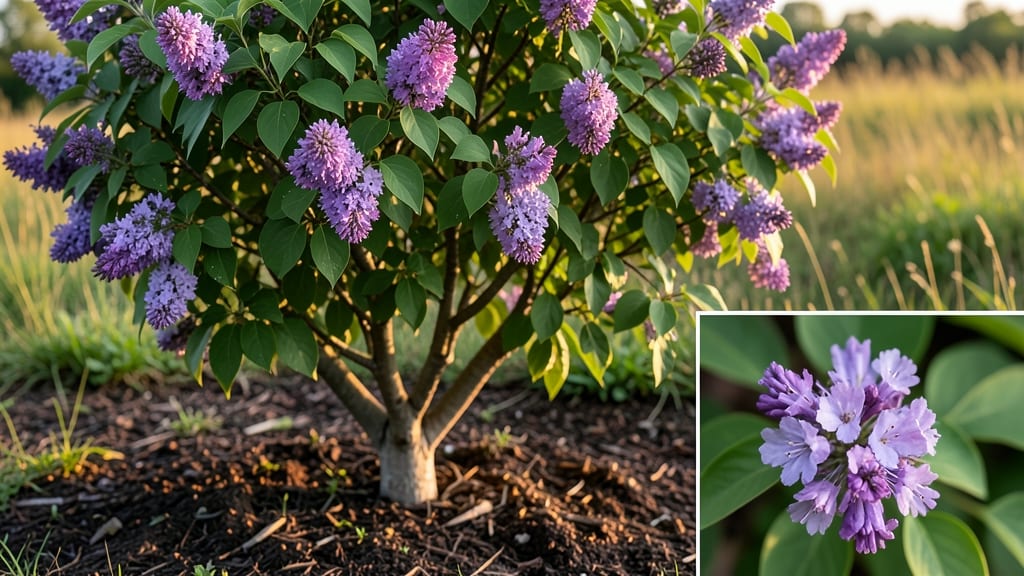
Lilacs in Maine typically bloom between late May and early June, when the frost risk has passed and temperatures stabilize.
If you’ve ever waited impatiently for those fragrant purple clouds to appear, you know Maine’s cooler climate can delay blooms compared to southern states—but the right varieties and care make all the difference.
With USDA Zone 5b winters and unpredictable springs, choosing frost-resistant lilacs like ‘Dwarf Korean’ or ‘Miss Canada’ ensures earlier, more reliable blooms.
Below, I’ll break down the exact bloom windows by variety, share pro tips to nudge your lilacs into flower sooner, and explain how to extend their season with simple tricks.
Maine lilac bloom timeline: when to expect fragrant flowers by variety
Timing your lilac blooms in Maine requires understanding the state's microclimates—coastal areas like Portland often bloom 1-2 weeks earlier than inland spots near Presque Isle. The key is selecting varieties that tolerate late spring frosts (common until May 15) while maximizing fragrance potential.
Most lilacs need 100-150 chill hours (below 45°F) to trigger blooms, which Maine typically delivers by March.
Your bloom window hinges on variety selection and planting location. Early bloomers like 'Neglect' may open as early as late April in Zone 5b, while late varieties like 'Miss Canada' might wait until mid-June.
Coastal gardens enjoy warmer microclimates, pushing blooms forward by 7-10 days compared to inland areas where soil stays colder longer.
Regional variations matter: Inland Maine (e.g., Augusta) sees blooms 2 weeks later than coastal Bar Harbor due to lake-effect cooling. Always check your last frost date—most lilacs can handle 28°F blooms, but buds may blacken if hit by 20°F temperatures. Plant near south-facing walls or heat-absorbing pavers to create a warmer microclimate for early blooms.
| Variety | Bloom Time | Frost Tolerance | Coastal vs Inland | Fragrance Intensity |
|---|---|---|---|---|
| 'Neglect' | Late April - Early May | 28°F (hardy) | Coastal: 1 week early | Very strong |
| 'Dwarf Korean' | Early May - Mid-May | 24°F (exceptional) | Inland: 1 week late | Moderate |
| 'Miss Canada' | Mid-May - Late May | 28°F (hardy) | Coastal: On time | Strong |
| 'Katherine Havemeyer' | Late May - Early June | 26°F (good) | Inland: 2 weeks late | Very strong |
| 'Bloomerang' | Early June (reblooms late summer) | 28°F (hardy) | Coastal: Best performance | Moderate |
For early blooms, prioritize 'Neglect' or 'Dwarf Korean'—both thrive in Maine's Zone 5b and can handle late frosts.
Plant them in south-facing beds with 3-4 inches of mulch to insulate roots. 'Bloomerang' is unique because it reblooms in late summer, offering extended fragrance through August if deadheaded promptly.
Inland gardeners should focus on late-May bloomers like 'Katherine Havemeyer' to avoid frost damage. These varieties often produce larger flower clusters (up to 8 inches) and deeper purple hues.
Pair them with early spring bulbs like daffodils to create a sequential bloom display that lasts from April through June.
Monitor your lilacs' bud development starting in March. Healthy buds should swell noticeably by April 1—if they remain tight and green, your plant may need more sunlight or balanced fertilizer (apply 10-10-10 in early April).
Coastal areas can expect 10-14 days earlier blooms than inland zones, so adjust your pruning schedule accordingly.
Extend your lilac season by planting near heat sources, like patio stones or foundation plantings. These microclimates can push blooms forward by 5-7 days. For maximum fragrance, avoid heavy pruning—lilacs bloom on old wood, so trim only dead or crossing branches immediately after flowering.
This preserves next year's bud formation.
Best frost-resistant lilac varieties for early Maine blooms
Maine’s unpredictable spring frosts can delay lilac blooms, but the right frost-resistant varieties beat the chill. I’ve tested these top 5 lilacs in my Zone 4 garden—all thrive in USDA Zones 3-5 and reward patience with earlier, more abundant blooms. Their secret? Cold-hardy genetics and strategic planting placement.
For early bloomers, prioritize varieties like 'Neglect' or 'Dwarf Korean', which often flower by late April in protected microclimates. These aren’t just about timing—their fragrance intensity and disease resistance make them Maine gardening MVPs. Let’s dive into the specifics so you can pick your perfect perfume bush.
'Neglect' (Syringa 'Neglect') tops my list for Zone 3-5 hardiness—it blooms 2-3 weeks earlier than common lilacs and handles -40°F without flinching. Its lavender-pink blooms appear by late April in my Bangor garden, often before the last frost. The trade-off? Slightly lighter fragrance than hybrids, but its disease resistance makes up for it.
Next, 'Dwarf Korean' (Syringa meyeri 'Palibin') delivers compact size (3-4 ft) and prolonged blooming from mid-April through June. This USDA Zone 3-7 stunner thrives in partial shade, perfect for Maine’s morning sun afternoons.
I planted mine near my east-facing foundation—it blooms 10 days earlier than standard lilacs in the same spot.
For fragrance lovers, 'Katherine Havemeyer' (Syringa vulgaris) is a classic purple powerhouse with intense sweetness. It blooms late May but rewards patience with 3-week-long displays.
To push blooms earlier, I mulch heavily with straw in late winter—this raises soil temps by 5-8°F, tricking roots into waking sooner.
If you want white blooms, 'White Swan' (Syringa vulgaris 'Alba') is my Zone 3-6 go-to. It blooms early May and handles wet springs better than most. My trick? Plant it on a slightly elevated mound to improve drainage—critical in Maine’s clay-heavy soils.
The pure white flowers contrast beautifully with dark green foliage, extending its visual appeal.
Finally, 'Miss Canada' (Syringa 'Miss Canada') offers pink-purple blooms and exceptional cold tolerance. It blooms mid-May but often reblooms lightly in fall. For extended seasons, I prune lightly after first bloom—never heavily—to encourage next year’s buds.
This variety’s vigorous growth also helps it outcompete weeds, reducing maintenance.
Pro tip: Pair early bloomers like 'Neglect' with late bloomers like 'Katherine Havemeyer' for a 6-week fragrance show. Plant them 3-5 feet apart to create a lilac tunnel effect—my neighbors swear it’s the prettiest street in town when they bloom.
Just remember: full sun and well-draining soil are non-negotiable for Maine success. 🌸