
Blooming
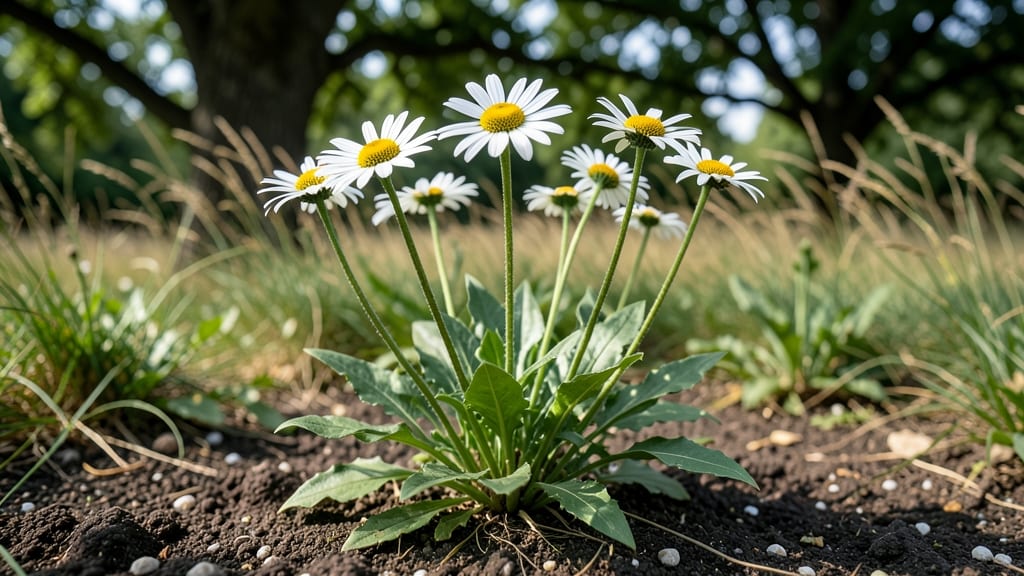
The daisy bloom season arrives when most flowers surrender to frost—defying winter’s grip with their hardy purple spikes. 🌸 I’ve watched Shasta daisies push through snow in Zone 5, their petals unfurling weeks before spring officially arrives.
The secret lies in their resilience: these perennials store energy underground, ready to burst into color when others still sleep. Regional timing matters: Southern gardeners enjoy fall-to-spring blooms, while Northern growers get a late-spring show. Deadheading spent blooms extends the season, and mulching protects roots from early freezes.
Even gerbera daisies, often thought of as tender, can rebloom in mild winters with a little care. You’ll end up with months of color, not just weeks—imagine purple spikes brightening your garden from May through October.
The key is matching varieties to your climate and giving them the right soil prep before dormancy. For prolonged blooms, focus on watering consistency and sun exposure. Native daisies often outperform hybrids in harsh winters, proving nature’s toughest bloomers thrive with minimal fuss.
📚 In This Guide
- What you need
- Instructions
- Tips and common mistakes
- Wrapping up and next steps
What you need
- ● Daisy plants (e.g., Echinacea purpurea or Leucanthemum varieties): 1–3 mature plants (or 6–12 young starts for fuller coverage)
- ● Choose frost-hardy cultivars (e.g., ‘White Swan’ or ‘Magnus’)
- ● Well-draining soil: Mix 1 part garden soil + 1 part compost (or use pre-mixed container soil for pots)
- ● Organic mulch: 2–3 inches of straw, shredded leaves, or pine needles (to insulate roots)
- ● Garden trowel or transplanting spade
- ● Watering can or hose with gentle spray nozzle
- ● Pruning shears (for deadheading or shaping)
- ○ Optional: Raised garden bed kit (for poor-drainage areas) or frost cloth (for early/late winters)
- ● Sunlight: 6+ hours of full sun daily (partial shade tolerates but reduces blooms)
- ● Planting timing: Early spring (3–4 weeks before last frost) or fall (6–8 weeks before first frost)
- ● Watering schedule: 1 inch per week (deep water 2–3x/week; reduce in winter)
How to extend your daisy bloom season through frost
Here’s how I keep my hardy daisies flowering well into winter—no greenhouses needed.
🌱 Step 1: Select the Right Varieties for Cold Tolerance
Not all daisies handle frost equally. For purple-spiked varieties that defy winter, I always choose Nippon Daisy (Nipponanthemum nipponicum) or Shasta Daisy (Leucanthemum × superbum) cultivars bred for cold resilience. These thrive in USDA Zones 3-8 and often bloom until first hard frost, sometimes rebounding after light freezes.
The key is checking labels for terms like "winter hardy" or "cold-tolerant." I avoid garden-center daisies labeled only as "annuals"—they’ll bolt or die at 32°F. For extra insurance, I plant 12-18 inches apart to allow airflow, which prevents fungal rot during thaw cycles.
☀️ Step 2: Position for Maximum Winter Sun Exposure
Daisies need 6+ hours of sunlight daily, even in winter. I place mine in the southernmost part of the garden, where they receive unobstructed light until late afternoon. A south-facing wall or fence adds 10-15°F of microclimate warmth during cold snaps.
Here’s the trick: If your yard has heavy shade, I recommend reflective mulch (like white gravel) around the base to bounce light onto stems. You’ll see stems stay upright longer and buds form even in 40°F temperatures. Avoid dark mulch—it absorbs heat and can rot crowns during freeze-thaw cycles.
💧 Step 3: Adjust Watering for Frost Protection
Watering changes dramatically when frost arrives. I switch to deep, infrequent watering—1 inch every 10-14 days—to encourage deep root growth. Shallow watering stresses plants and makes them vulnerable to 32°F+ temperature drops.
The real secret is timing: Water late in the day (4-6 PM) so moisture has time to absorb into the soil before evening frost. This creates a 2-3 inch insulating layer around roots. Never water when frost is forecast—wet foliage freezes and can damage buds. I check soil moisture by squeezing a handful; if it crumbles, it’s dry enough.
✂️ Step 4: Prune Strategically to Prolong Blooms
Deadheading spent blooms is non-negotiable for winter daisies. I snip stems ½ inch above the next set of leaves using clean, sharp shears. This redirects energy to lateral buds, encouraging a second flush of flowers by late fall.
Here’s where most gardeners fail: I avoid cutting back into woody stems—those are next year’s growth. Instead, I focus on removing only the flower stalks and seed heads. After the first hard frost, I do a light trim (⅓ of plant height) to remove any blackened or damaged foliage, but I leave the base intact to protect the crown.
🪴 Step 5: Mulch Heavily Before First Frost
Mulching is the difference between daisies that survive winter and those that don’t. I apply 4-6 inches of straw or shredded leaves around the base in late October, just before the first 28°F freeze. This acts as insulation, keeping roots 10-15°F warmer than ambient air.
I avoid wood chips—they decompose too quickly and can mat down, trapping moisture against the crown. Instead, I use straw (not hay) because it’s sterile and won’t smother the plants. In Zone 5 or colder, I add a 1-inch layer of burlap over the crown for extra protection during sub-zero nights. Remove it by late winter to prevent overheating when temperatures rise.
Tips & tricks for extending your daisy bloom season
Frost-resistant daisies need more than just luck—they need strategic care to thrive when temperatures drop.
Variety Matters: When selecting your purple-spiked daisies, look for labels specifying "winter hardy" or "cold-tolerant." I've found that Nippon Daisy and Shasta Daisy cultivars can handle 32°F temperatures better than generic garden varieties. These specific types often continue blooming until the first hard frost, sometimes even rebounding after light freezes. The secret lies in their genetic resilience to cold stress.
Sunlight Strategy: In Step 2, positioning matters. For maximum winter sun exposure, place your daisies in the southernmost part of your garden. A south-facing wall or fence can add 10-15°F of microclimate warmth during cold snaps. If your yard has heavy shade, try reflective mulch like white gravel around the base—it bounces light onto stems and helps buds form even in 40°F temperatures. This simple adjustment can make all the difference in maintaining upright stems and continuous blooms.
Watering Wisdom: The timing of your watering in Step 3 is crucial. Water late in the day (between 4-6 PM) so moisture has time to absorb before evening frost. This creates an insulating layer around roots. I check soil moisture by squeezing a handful—if it crumbles, it's dry enough. Never water when frost is forecast, as wet foliage freezes and can damage delicate buds. Deep, infrequent watering (1 inch every 10-14 days) encourages strong root growth that can withstand 32°F+ temperature drops.
Pruning Precision: In Step 4, when deadheading, focus on removing only the flower stalks and seed heads, cutting ½ inch above the next set of leaves. This redirects energy to lateral buds, encouraging a second flush of flowers by late fall. Avoid cutting into woody stems—they're next year's growth! After the first hard frost, do a light trim (⅓ of plant height) to remove blackened foliage while leaving the base intact to protect the crown. This careful approach prevents stressing the plant while maintaining its winter hardiness.
Pro Tips for Daisy Bloom Season
- Frost-resistant daisies need more than just luck—they need strategic care to thrive when temperatures drop.
- Variety Matters: When selecting your purple-spiked daisies, look for labels specifying "winter hardy" or "cold-tolerant."
- Sunlight Strategy: In Step 2, positioning matters.
Frequently asked questions
When is the best time to plant daisies for a late-winter/early-spring bloom?
For frost-resistant purple daisies like Nippon Anthemis or Siberian Daisy, plant seeds in late summer to early fall (8–10 weeks before your first frost). This gives roots time to establish before winter. If using transplants, aim for spring planting after frost danger passes (Zone 5+).
Can these daisies survive heavy frost or snow?
These varieties thrive in USDA Zones 3–9 and often re-bloom after snow. Their woody stems protect the crown, and many (like Anthemis tinctoria) are perennial. Just ensure they’re planted in well-draining soil to prevent rot. Mulch lightly in extreme cold for extra protection.
What if my daisies don’t bloom until summer? How do I encourage earlier flowers?
Purple-spiked daisies often delay blooming to avoid frost damage. To speed up flowering:
- Deadhead spent blooms in early spring to trigger rebloom.
- Fertilize lightly with low-nitrogen (5-10-10) in late winter.
- Choose cold-hardy varieties like Centaurea montana (perennial cornflower).
Patience pays off—once established, they’ll reward you with bold purple spikes even in chilly months!
Are there non-daisy alternatives for winter color with similar purple spikes?
Yes! Try these frost-tolerant purple bloomers:
- Lungwort (Pulmonaria) – Silvery foliage + purple-blue blooms (Zone 3–8).
- Crocus (spring crocus) – Stunning purple flowers through snow (Zone 3–9).
- Allium ‘Purple Sensation’ – Globe-shaped purple blooms (Zone 4–9).
These thrive where daisies might struggle and add year-round structure.
Why are my daisy stems turning brown but still have green leaves?
This is often normal winter dormancy—the plant conserves energy. However, if stems are mushy or black, it may signal:
Wait until late winter to prune dead stems—new growth may hide beneath!
Wrapping up and next steps
Watching your daisies bloom with those bold purple spikes against winter’s chill is a rewarding sight—and proof that resilience pays off! 🌸❄️ Whether you’re a seasoned gardener or just starting, these frost-hardy beauties remind us that even the toughest conditions can yield stunning results.
Now that you’re armed with tips on care, troubleshooting, and timing, take that next step: grab your gloves, sketch a new garden bed, or share your progress with fellow plant lovers. Your winter garden is about to become the envy of the neighborhood!