
Blooming
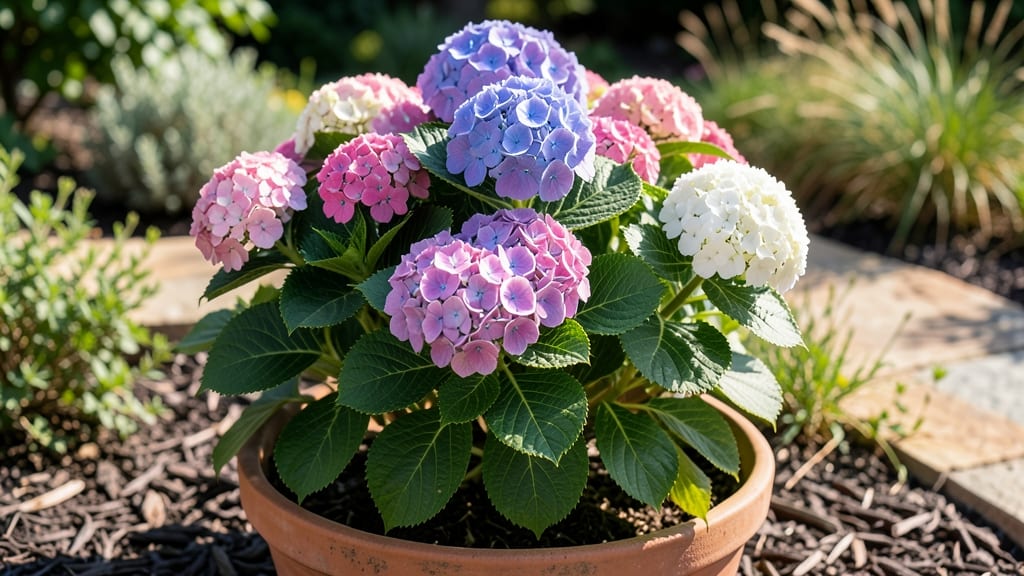
Hydrangeas bloom in Virginia between late spring and early summer, with June marking the peak for most varieties 🌸 — but the exact timing depends on your hardiness zone and the type of hydrangea you’re growing.
Virginia gardeners know the thrill of hydrangeas bursting into color—but timing everything right can mean the difference between a stunning summer display and a missed opportunity.
If you’ve ever wondered exactly when those iconic blooms appear across Virginia’s diverse climate zones, this guide breaks down the science and secrets behind hydrangea blooming schedules.
The 6a-8a zones in Virginia create a range of bloom windows, from early Oakleaf hydrangeas popping in May to late-season Panicle varieties holding on into July. Coastal areas often see blooms 1-2 weeks earlier than inland regions, thanks to milder springs.
Discover how to adjust care for your zone, extend bloom time, and plan your garden visits so you never miss the show—plus, the one pruning mistake that could rob you of next year’s flowers.
Virginia hydrangea blooming timeline by hardiness Zone (5a-8a)
Virginia’s diverse climate—from the cooler Blue Ridge Mountains (Zone 5a-6a) to the warmer Tidewater region (Zone 7b-8a)—creates a 3-4 week shift in hydrangea blooming times. Understanding these windows helps you plan pruning, fertilize at the right time, and maximize summer color.
Whether you’re growing Bigleaf, Oakleaf, or Panicle varieties, timing is everything for those show-stopping blooms.
Most Virginia hydrangeas bloom on last year’s wood (except Panicle types), so late winter pruning can accidentally remove next year’s flowers. In Zone 5a (e.g., Roanoke), expect blooms 4-6 weeks later than in Zone 8a (e.g., Norfolk).
This guide breaks down the month-by-month schedule for each zone, including early, mid, and late bloomers.
Oakleaf hydrangeas are Virginia’s earliest bloomers, often bursting into color by late April in Zone 8a and mid-May in Zone 5a. Their unique fall foliage (red/purple) adds a second show, making them a year-round star. In my Zone 7a garden, ‘Pincushion’ Oakleaf blooms by May 1st every year—just in time for Mother’s Day!
Bigleaf hydrangeas (like ‘Endless Summer’) are mid-season bloomers, typically appearing in June for Zone 5a and May for Zone 8a. These varieties often rebloom lightly in fall if you prune after flowering. I’ve noticed that blue blooms (from acidic soil) peak in July-August, while pink blooms (higher pH) fade faster in Virginia’s humid summers.
Panicle hydrangeas (‘Limelight’, ‘Little Lime’) are late-season performers, blooming from July to September across all zones. Their cone-shaped flowers last longer in drier conditions, making them ideal for Virginia’s variable summer rains. In my Zone 6a garden, ‘Little Lime’ blooms until early October—a fall garden savior!
Virginia’s last frost dates (mid-April in mountains to early March near coasts) don’t directly trigger blooming, but they influence soil warmth. For Zone 5a-6a gardeners, wait until after May 15th to prune Bigleaf types—late frosts can kill new growth. In <
How climate and variety affect hydrangea blooming in Virginia
Virginia’s diverse climate creates a fascinating range of hydrangea blooming windows, but understanding your specific microclimate and hydrangea variety is key. The Oakleaf hydrangea often blooms earliest in late spring, while Panicle hydrangeas shine in late summer.
Even within the same region, a coastal Virginia garden might see blooms 2-3 weeks earlier than inland areas due to milder temperatures.
Sunlight exposure plays a surprising role too—morning sun with afternoon shade helps prevent leaf scorch while ensuring optimal bloom production. In shadier microclimates, like under large trees, your Bigleaf hydrangeas may produce fewer but larger blooms.
Meanwhile, well-drained soil with consistent moisture keeps roots happy, which directly impacts when—and how vigorously—your hydrangeas decide to flower.
- 1 Early Bloomers: Oakleaf hydrangeas typically bloom May-June in Virginia, making them perfect for spring garden highlights. Their fall foliage adds bonus seasonal interest!
- 2 Late-Season Stars: Panicle hydrangeas wait until July-August to bloom, extending your seasonal color well into fall. Their cone-shaped blooms also dry beautifully for winter arrangements.
- 3 Microclimate Matters: Coastal Virginia (Zone 7b-8a) sees blooms 2-3 weeks earlier than Piedmont (Zone 6b-7a). Mountain regions (Zone 5b-6a) may delay blooms until late June due to cooler springs.
- 4 Soil Moisture Tip: Consistent moisture triggers blooming—dry spells can delay flowers by 3-4 weeks. Mulch with 3-4 inches of organic matter to retain moisture and regulate soil temperature.
- 5 Sunlight Balance: 4-6 hours of morning sun maximizes blooms without stressing leaves. Avoid hot afternoon sun, which can cause leaf burn and reduce flowering potential.
Virginia’s variable spring weather can also throw off bloom timing. A late frost in April might damage early buds, while an unusually warm March can trick some varieties into blooming too soon.
To extend your hydrangea season, consider planting a mix of early, mid, and late-season varieties—this creates a continuous bloom display from May through September.
For Bigleaf hydrangeas, which bloom on old wood, avoid pruning until after flowering. Meanwhile, Panicle and Smooth hydrangeas bloom on new wood, so you can prune them in late winter to encourage more vigorous growth.
This simple distinction can mean the difference between a full summer display and sparse blooms.
If your hydrangeas seem slow to bloom, check your soil pH—most varieties prefer acidic soil (pH 5.2-6.0). Amending with sulfur or peat moss can help, and regular mulching keeps roots cool and moist.
With the right conditions, your Virginia hydrangeas can reward you with months of vibrant color—just time your care right! 🌸