
Blooming
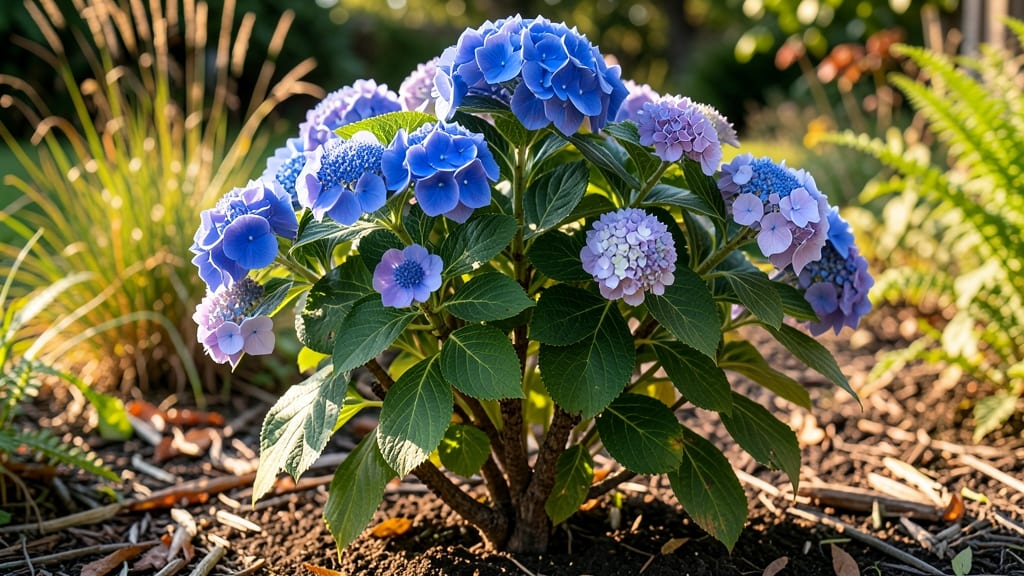
Hydrangeas in Indiana bloom between mid-June and September 🌸, with timing that shifts depending on your zone and the variety you’ve planted.
Indiana gardeners know the thrill of hydrangeas bursting into color—but timing is everything. If you’ve ever waited impatiently for those showstopping blooms only to miss the window, you’re not alone.
The key is understanding how Indiana’s climate—hot summers, cold winters, and unpredictable frost—plays a role. Bigleaf hydrangeas often bloom first in June, while panicle types like Limelight stretch their show into September, giving you a three-month display if you choose the right varieties.
Below, I’ll break down the exact bloom windows for your zone, how to encourage earlier or later flowers, and the one pruning mistake that could rob you of blooms next year.
Indiana hydrangea bloom timeline by USDA zone (5-7)
Indiana’s USDA zones 5-7 create a unique gardening puzzle for hydrangea lovers. The state’s hot summers and cold winters influence bloom timing, with northern zones (5a/5b) experiencing shorter growing seasons than southern zones (7a).
Understanding these differences helps you plan for first flush blooms in early summer and reblooms in late summer—both critical for Indiana gardens.
Hydrangeas in Indiana generally bloom between June and September, but the exact timing depends on your USDA zone and the hydrangea variety. Bigleaf hydrangeas (Hydrangea macrophylla) often bloom first, followed by panicle hydrangeas (H. paniculata) and oakleaf hydrangeas (H. quercifolia).
Reblooming varieties, like Endless Summer, can produce a second flush if pruned correctly and conditions are favorable.
Indiana’s climate extremes—from late spring frosts to early fall freezes—can disrupt blooming cycles. For example, a late-May frost in zone 5a might damage early buds, while humid summers in zone 7a can stress plants if not managed properly.
Below, we break down bloom windows by zone and variety to help you anticipate—and extend—your hydrangea season.
In zone 5a, where frosts linger until mid-May, hydrangeas like *Endless Summer
How to extend hydrangea blooms in Indiana’s unpredictable climate
Indiana’s unpredictable climate—with sudden frost, scorching summers, and heavy clay soil—can throw off your hydrangea’s blooming schedule. But with the right strategies, you can push blooms earlier or extend them later into fall. The key lies in understanding your microclimate, soil health, and pruning timing.
Urban areas often bloom 1-2 weeks earlier than rural spots due to heat islands, while northern Indiana’s cooler zones may need extra care to coax late-season flowers.
First, focus on soil amendments to combat Indiana’s notorious clay. Amend with organic matter like compost or peat moss to improve drainage and nutrient retention. Clay soil holds moisture but suffocates roots, delaying blooms.
Test your soil’s pH level—hydrangeas thrive between 5.2 and 6.0 for vibrant colors. If your soil is alkaline (common in Indiana), add sulfur or pine needles to acidify it gradually over spring.
- 🌱 Prune rebloomers in early spring (March) to encourage second flushes by summer’s end. Cut back old wood (last year’s stems) to 6-8 inches from the ground.
- ☀️ Use shade cloth in urban heat islands to protect blooms from midday sun (12–4 PM), which can scorch petals and shorten bloom time.
- 💧 Deep-water weekly in drought-prone zones (southern Indiana) to prevent bud drop. Mulch with 3 inches of wood chips to retain moisture.
- ✂️ Avoid late-summer pruning—it removes next year’s flower buds on non-reblooming varieties like bigleaf hydrangeas.
For reblooming varieties (like Endless Summer or Limelight), time is critical. Prune these in early spring (March) to stimulate new growth and a second bloom cycle by August.
If you prune too late, you’ll miss the first flush entirely. Non-rebloomers (e.g., Annabelle) bloom on old wood, so prune immediately after flowering to avoid cutting off next year’s buds.
Microclimates play a huge role. In urban areas like Indianapolis, hydrangeas often bloom 2 weeks earlier due to heat retention from buildings and pavement. To delay blooms in these hot spots, provide afternoon shade with a lightweight shade cloth (30–50% blockage).
In rural northern Indiana (Zone 5a), protect late blooms from early frost by wrapping plants in burlap or using row covers after Labor Day.
Common mistakes that delay blooms include over-fertilizing with nitrogen (which promotes leafy growth over flowers) and planting in full sun without afternoon shade. Indiana’s summers can hit 90°F+, and hydrangeas wilt under intense sun, causing buds to abort.
Instead, aim for morning sun and afternoon shade, especially for bigleaf varieties, which are most sensitive to heat stress.
Finally, feed your hydrangeas with a balanced fertilizer (10-10-10) in early spring and mid-summer to fuel blooms. Skip fall fertilizing—it encourages tender growth that won’t survive winter. With these adjustments, your hydrangeas can bloom from June to October, turning your Indiana garden into a year-round spectacle. 🌷