
Blooming
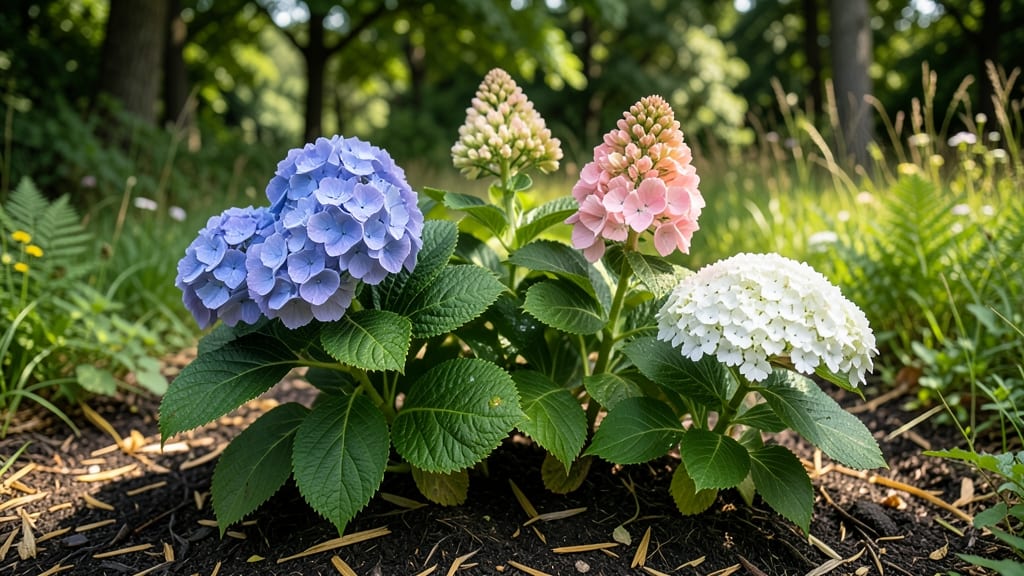
Hydrangeas bloom in Pennsylvania between late May and July—but the exact timing depends on your USDA zone, variety, and even last year’s frost date.
Picture this: your neighbor’s bigleaf hydrangeas 🌸 are already showing off their vibrant pink blooms by Memorial Day, while yours are still buds. What gives?
The answer lies in microclimates and pruning habits—some varieties like panicle hydrangeas bloom weeks earlier than bigleaf types, and a simple pruning mistake can delay flowers until August.
In Zone 6a, where frosts linger until mid-April, hydrangeas often wait until early June to open fully. Meanwhile, gardeners in Zone 7b might see blooms as early as late May, especially if they’ve adjusted care for their specific variety.
The key? Understanding how sunlight, soil, and pruning interact with your local climate to shift that bloom window.
Below, I’ll break down the month-by-month timeline for Pennsylvania’s most popular hydrangeas, plus the pruning secrets that can make your blooms arrive weeks earlier—or keep them coming all summer long.
Hydrangea bloom timeline in Pennsylvania by USDA Zone 6-7
Pennsylvania's USDA Zones 6-7 create the perfect stage for hydrangeas, but their bloom timing varies wildly depending on the variety. Understanding these differences helps you plan your garden for maximum impact.
In my experience, late spring is when most hydrangeas put on their best show, but some varieties bloom earlier or later based on their natural growth cycles.
The key to predicting bloom times lies in recognizing whether your hydrangea is an early bloomer or late bloomer. Early varieties like Panicle hydrangeas often start showing buds in May, while Bigleaf varieties may not peak until June or July.
This variation is crucial for Pennsylvania gardeners, where late frost risks can damage delicate new blooms.
Here's a quick breakdown of what to expect month-by-month for each major hydrangea type in Pennsylvania's climate:
| Variety | Typical Bloom Months | Frost Risk Notes | PA-Specific Tips |
|---|---|---|---|
| Panicle Hydrangeas (e.g., 'Limelight', 'Little Lime') | May - July | Low risk after May 15 in most of PA | Prune in late winter for earliest blooms |
| Bigleaf Hydrangeas (e.g., 'Nikko Blue', 'Endless Summer') | June - August | High risk before June 10 in Zone 6 | Use mulch to protect roots from spring frost |
| Oakleaf Hydrangeas (e.g., 'Snow Queen', 'Pee Wee') | June - September | Low risk after June 1 in southern PA | Plant in morning sun to extend bloom season |
| Smooth Hydrangeas (e.g., 'Annabelle', 'Grandiflora') | July - September | None in late summer blooms | Deadhead after frost to encourage next year's blooms |
For Zone 6 gardeners in western PA, where frost lingers longer, I recommend planting Panicle hydrangeas first—they're the most reliable early bloomers. In Zone 7 areas like Philadelphia, you can push the envelope with Bigleaf varieties that might bloom as early as late May if planted in protected microclimates.
The first frost date in Pennsylvania typically falls between October 15-30, depending on elevation. This affects late-blooming varieties like Oakleaf hydrangeas, which can continue producing flowers well into September. I've seen 'Snow Queen' still blooming in early October in protected garden spots near Pittsburgh.
One common mistake I see is assuming all hydrangeas bloom at the same time. Bigleaf hydrangeas are particularly sensitive to frost—their buds form on old wood, so late frosts can destroy them before they open.
In contrast, Panicle hydrangeas bloom on new wood, making them more forgiving if pruned correctly.
To extend your hydrangea's bloom season, consider planting a mix of varieties. For example, pair a May-blooming Panicle with a July-blooming Bigleaf to create continuous color. I've created a 4-season interest garden using this strategy, with Oakleaf hydrangeas providing fall color even after their flowers fade.
Here's a pro tip: If you want to shift bloom times, adjust your pruning schedule. Pruning Panicle hydrangeas in late winter encourages earlier blooms, while waiting until spring can delay them slightly. For Bigleaf varieties, avoid heavy pruning—they bloom on last year's growth, so less is more.
Remember that Pennsylvania's microclimates play a huge role. Urban areas like Pittsburgh often bloom 1-2 weeks earlier than rural spots in the Poconos due to the urban heat island effect. Always monitor your local frost dates and adjust expectations accordingly.
For the best results, combine this bloom timeline with proper soil preparation and watering schedules. Hydrangeas in PA thrive with moist, well-draining soil and morning sunlight—these conditions help them establish strong root systems that support vibrant blooms.
How to adjust hydrangea blooming time with pruning & care
Hydrangeas in Pennsylvania typically bloom between late May and July, but their timing depends on variety, sunlight exposure, and pruning strategy. If your blooms arrive late or fade too soon, you're not alone—many PA gardeners face this challenge.
The key lies in understanding when and how to prune, along with soil and sunlight adjustments that can shift bloom windows by 2-4 weeks.
For example, Bigleaf hydrangeas (like 'Nikko Blue') bloom on old wood, meaning last year’s growth, so aggressive pruning can delay blooms. Meanwhile, Panicle hydrangeas (like 'Limelight') bloom on new wood, allowing you to prune in late winter for earlier flowers.
Knowing these differences is your first step to controlling bloom timing.
🌱 PA Hydrangea Bloom Secrets
In Pennsylvania’s USDA Zones 6-7, hydrangeas typically bloom from late May to mid-July, but timing varies by variety:
- Bigleaf: Late May–June (old wood bloomers)
- Panicle: June–July (new wood bloomers)
- Oakleaf: June–August (old wood, late bloomers)
- Smooth: July–August (new wood, late bloomers)
To shift blooms earlier, prune Panicle or Smooth hydrangeas in late winter (February–March). For later blooms, prune Bigleaf or Oakleaf hydrangeas immediately after flowering.
Start by assessing your hydrangea’s sunlight needs. Most varieties thrive in partial shade (4-6 hours of sun), but Panicle hydrangeas can handle full sun in cooler PA regions.
If your plant receives too much afternoon sun, blooms may arrive late or scorch. Move plants to a morning sun location to encourage earlier flowering.
Soil pH also plays a critical role. Bigleaf hydrangeas change color based on pH—acidic soil (pH 5.5) produces blue blooms, while alkaline soil (pH 6.5) yields pink flowers. However, Panicle and Oakleaf varieties prefer neutral soil (pH 6.0-6.5).
Test your soil in early spring and amend with lime (to raise pH) or sulfur (to lower pH) to optimize bloom timing and health.
Timing your spring fertilization is another game-changer. Apply a balanced 10-10-10 fertilizer in early April, just as new growth emerges. This gives your hydrangeas the nutrients they need to bloom 2-3 weeks earlier than unfertilized plants.
Avoid late-summer feeding, as it can stimulate tender growth vulnerable to PA’s early frosts.
For late-blooming hydrangeas, try a delayed pruning approach. Wait until after the first frost (mid-October in PA) to prune Bigleaf or Oakleaf varieties.
This removes spent blooms but preserves next year’s flower buds, pushing back bloom time by 3-4 weeks. Always use sterilized pruners to prevent disease spread.
With these adjustments—pruning at the right time, optimizing sunlight, and amending soil—you can fine-tune your hydrangeas to bloom when you want, whether it’s for Mother’s Day displays or summer weddings. Experiment with one technique at a time to see what works best for your PA climate! 🌿