
Blooming
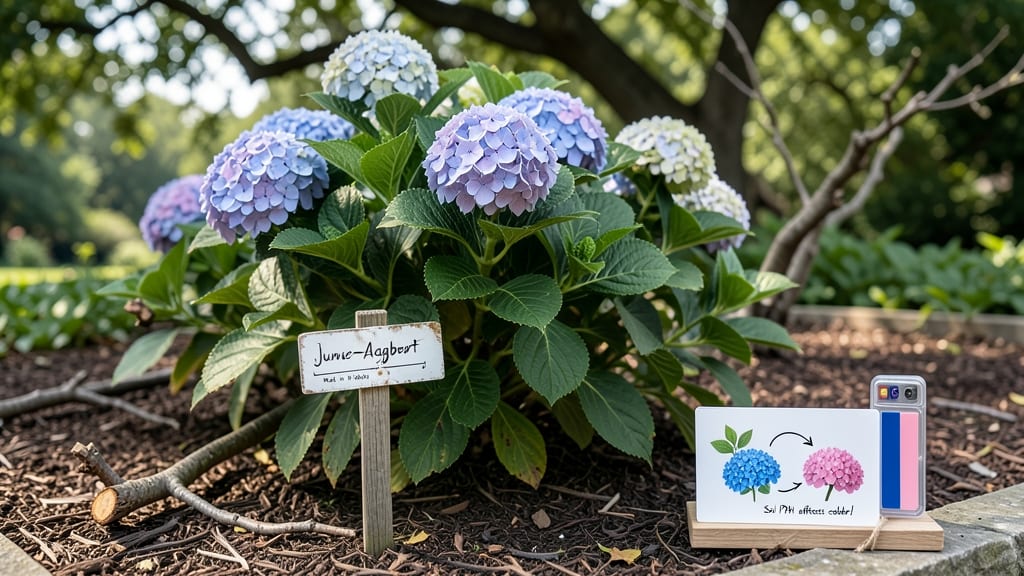
Hydrangeas bloom in New Jersey between late May and early July 💐, with timing that shifts by variety and microclimate.
New Jersey gardeners know timing is everything—and hydrangeas thrive when planted and cared for with their bloom cycles in mind. But with NJ’s unpredictable seasons, when exactly should you expect those stunning clusters of blooms?
Bigleaf hydrangeas, the most popular type, typically open their flowers in June, while panicle varieties like ‘Limelight’ often start as early as late May. Oakleaf hydrangeas, with their peeling bark and late-season color, may not peak until July or August, making them a standout in fall gardens.
Below, I’ll break down the exact bloom windows for each variety, how to adjust for your specific corner of NJ, and the key pruning and care steps to ensure your hydrangeas put on their best show year after year.
New Jersey hydrangea bloom schedule by variety: month-by-month breakdown
New Jersey’s variable climate makes hydrangea bloom timing a guessing game—until now. With USDA Zones 6a-7b and microclimates ranging from coastal breezes to inland heat, your hydrangea variety determines when those showy clusters appear. Early bloomers may start in June, while late varieties hold onto color until October.
Let’s break down what to expect from your Bigleaf, Panicle, Oakleaf, and Smooth hydrangeas based on real NJ data.
Most hydrangeas bloom on new wood (current season’s growth), except Oakleaf and some Bigleaf varieties, which rely on old wood. This means pruning timing is critical—cut too early, and you risk losing next year’s blooms.
NJ’s last frost date (mid-April) signals the start of active growth, while first frost (mid-October) often extends blooms into fall. Coastal areas like Cape May may see 2-3 weeks earlier blooms than inland spots like Sussex County.
| Variety | Bloom Period (NJ) | Peak Month | Wood Type | Coastal Adjustment |
|---|---|---|---|---|
| Bigleaf ('Endless Summer') | June–September | July | New & Old | +2 weeks earlier |
| Panicle ('Limelight') | July–October | August | New | +1 week earlier |
| Oakleaf ('Pincushion') | June–September | July | Old | +3 weeks earlier |
| Smooth ('Annabelle') | July–September | August | New | No change |
Bigleaf hydrangeas like 'Endless Summer' are the earliest bloomers, often starting in late June and peaking in July. These varieties rebloom thanks to their ability to set buds on both old and new wood, making them ideal for NJ’s short season. If you’re in coastal NJ, expect blooms 2 weeks earlier than inland areas due to milder temperatures.
Panicle hydrangeas such as 'Limelight' are the longest-lasting, often blooming from July through October. Their cone-shaped flowers start white and fade to cream, providing seasonal interest. Since they bloom on new wood, you can prune them in late winter without risking next year’s blooms—a huge advantage for NJ gardeners.
Oakleaf hydrangeas like 'Pincushion' are summer’s underdogs, blooming from June to September but stealing the show with their fall foliage. Their old wood blooms mean you should avoid pruning until after blooming (late autumn or winter). Coastal varieties may bloom 3 weeks earlier, giving you an extended display.
Smooth hydrangeas such as 'Annabelle' are mid-season bloomers, typically appearing in July and lasting through September. Their large, paperwhite flowers are a statement piece, but they’re new wood bloomers, so prune in late winter to encourage robust growth. Inland NJ gardens may see blooms 1-2 weeks later than coastal areas.
To predict bloom times in your NJ garden, note when forcing buds appear in spring—usually 4-6 weeks before blooming. If your hydrangeas are late to bloom, check for insufficient sunlight (they need morning sun) or over-pruning.
A soil pH test can also help: acidic soil (pH 5.5) yields blue flowers, while alkaline soil (pH 7.0) produces pink blooms.
Pro tip: Mulch around the base in late fall to protect roots from winter temperature swings. In Zone 6a (northern NJ), add extra mulch to shield from harsh frosts, which can delay spring growth.
By mid-May, most hydrangeas should show bud swell, signaling blooms in 6-8 weeks.
If you’re planting new hydrangeas this season, choose <
How to extend hydrangea blooms in new Jersey’s short growing season
New Jersey’s short growing season and unpredictable frosts can cut hydrangea blooms short—but with the right strategies, you can extend those show-stopping blooms well into fall. The key lies in understanding your hydrangea variety, adjusting care practices, and protecting them from late-season frost damage.
Whether you’re growing Bigleaf, Panicle, or Oakleaf varieties, these tips will help you maximize bloom duration in NJ’s Zone 6-7 climate.
First, let’s tackle the biggest bloom-killer: improper pruning. Many gardeners accidentally prune at the wrong time, removing next year’s flower buds before they even form. In NJ, where winters can be harsh, timing your pruning correctly is critical for prolonging blooms.
Additionally, soil pH adjustments can transform bloom colors and even encourage more flowers—something every NJ gardener should leverage!
- Prune at the right time: Bigleaf and Oakleaf hydrangeas bloom on old wood—prune immediately after flowering (late summer/fall). Panicle hydrangeas bloom on new wood—prune in late winter/early spring.
- Adjust soil pH for color: Test your soil—acidic soil (pH 5.0-5.5) produces blue blooms in Bigleaf varieties, while alkaline soil (pH 6.0-7.0) yields pink blooms. Use sulfur or lime to adjust as needed.
- Mulch heavily in fall: Apply 3-4 inches of mulch around the base in October to insulate roots from NJ’s harsh winters and protect buds from frost heave.
- Water deeply in summer: Consistent moisture (1-2 gallons per plant weekly) prevents bud blast during NJ’s hot, dry spells. Morning watering reduces evaporation and fungal risks.
- Fertilize in early spring: Use a balanced fertilizer (10-10-10) in March-April to encourage new growth and longer bloom seasons. Avoid fertilizing after mid-summer to prevent tender new growth.
- Protect from late frosts: If a late spring frost threatens, drape frost cloth over Panicle hydrangeas (they bloom on new wood and are more frost-sensitive early on).
- Deadhead spent blooms: Remove faded flowers from Panicle varieties in early fall to redirect energy to next year’s buds. For Bigleaf and Oakleaf, leave some blooms for winter interest.
Another game-changer is soil pH management. Did you know that simply adjusting your soil’s pH can transform bloom colors? For example, Endless Summer Bigleaf hydrangeas will produce blue blooms in acidic soil (pH 5.0-5.5) and pink blooms in alkaline soil (pH 6.0-7.0).
Test your soil in early spring and amend it with elemental sulfur or hydrated lime as needed. This not only changes colors but can also stimulate more blooms by improving nutrient availability.
Winter protection is non-negotiable in NJ. Our Zone 6-7 winters can be brutal, and frost heave or freeze-thaw cycles can damage roots and buds. To safeguard your hydrangeas, apply a 3-4 inch layer of mulch around the base in October before the ground freezes.
Use straw or shredded leaves for insulation, and avoid piling mulch against the stems to prevent rot. For young or container-grown hydrangeas, wrap the root ball in burlap and cover with frost blankets during extreme cold snaps.
Finally, don’t underestimate the power of seasonal care adjustments. In spring, focus on light fertilization and pruning (for new wood bloomers like Panicle). As summer heats up, deep watering becomes critical—hydrangeas hate stress, and drought can cause bud drop.
In fall, reduce watering but keep the soil slightly moist to encourage root growth before dormancy. By late September, taper off fertilizing to harden off the plant for winter.
With these strategies, your hydrangeas will not only bloom longer but also more vibrantly, turning your NJ garden into a season-long spectacle. The secret? Timing, protection, and a little soil science—all tailored to NJ’s unique climate. Happy gardening! 🌿