
Blooming
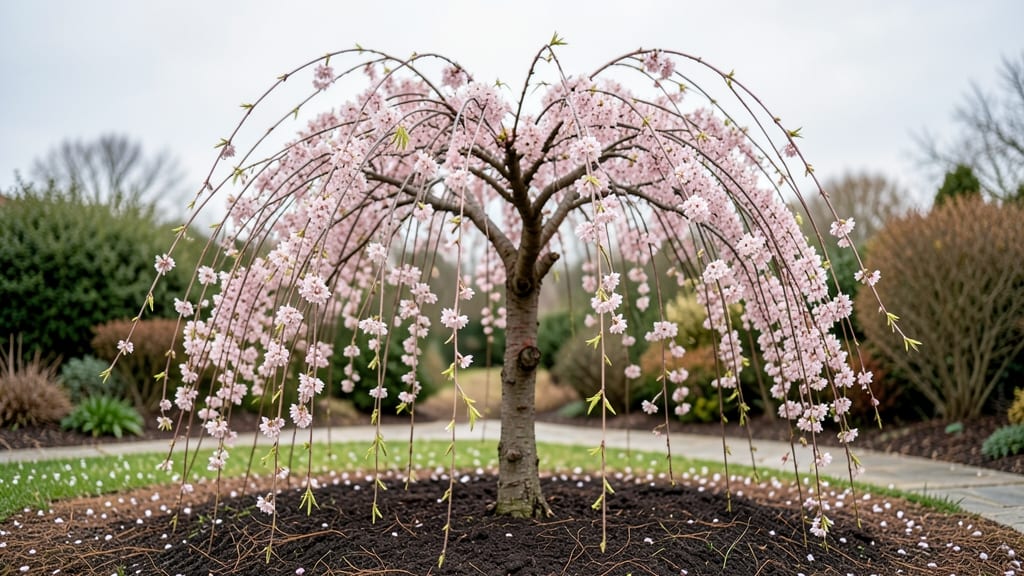
The weeping cherry bloom time varies dramatically by variety, but most burst into delicate pink blossoms 🌸 in late April to early May.
Picture this: your backyard transformed into a soft pink cloud, but only if you know when to expect it. Miss the window, and you might find your tree already shedding petals while your neighbors’ trees peak.
Regional differences matter—warmer zones like USDA 8-9 see blooms as early as March, while colder areas (like Zone 6a) may wait until May. Even sunlight exposure and pruning habits can shift the timeline.
Below, I break down the exact bloom periods for popular varieties, how to adjust care for your zone, and the one pruning mistake that can delay blooms for years.
Weeping cherry bloom time by variety: full seasonal timeline
Weeping cherry trees (Prunus serrulata) are famous for their cascading branches heavy with pink or white blossoms, but their bloom times vary widely by variety. Some burst into color as early as late winter, while others wait until late spring.
Understanding these differences helps you select the perfect tree for your landscape and plan seasonal care.
Bloom timing also shifts based on your USDA hardiness zone, with southern climates (Zones 7-9) often seeing blooms 2-4 weeks earlier than northern regions (Zones 5-6).
For example, a Kwanzan cherry in Zone 6 might bloom in early April, while the same variety in Zone 8 could start as early as mid-March.
Below is a detailed seasonal timeline for popular weeping cherry varieties, including early, mid, and late bloomers. Use this guide to match your tree’s bloom period with your garden’s seasonal highlights—like spring weddings, Easter decorations, or simply enjoying early spring color.
If you’re in Zone 5, expect blooms to arrive 1-2 weeks later than the Zone 6 timeline above. For example, a Kwanzan cherry might not bloom until mid-April in northern climates. Conversely, Zone 9 gardeners can enjoy Okame cherries as early as January in mild winters.
For extended bloom periods, choose varieties like Hillieri or Kwanzan, which can flower for 4-5 weeks under ideal conditions. Pair these with early bloomers like Okame to create a prolonged spring display from late winter through early summer.
This strategy works especially well in landscapes with layered planting.
Bloom timing also depends on your tree’s age and health. Young trees (under 5 years old) may produce fewer blossoms, while mature trees (over 10 years old) often bloom more abundantly and reliably.
Proper winter care, like mulching and avoiding late-season pruning, can also encourage healthier blooms the following spring.
One common misconception is that weeping cherries bloom only once per year. While most varieties follow this pattern, some—like Hillieri—may produce secondary blooms in late summer if pruned correctly.
However, these are usually sparser and less vibrant than the spring display. Focus on spring pruning (after blooms fade) to shape your tree and promote next year’s flowers.
To maximize bloom potential, plant your weeping cherry in full sun (6+ hours
How often do weeping cherries bloom? Understanding flowering cycles
Weeping cherry trees are famous for their stunning spring blooms, but their flowering patterns can be confusing. Unlike annuals, these trees follow biennial or multi-year cycles, meaning they don't bloom every single year. Understanding this rhythm helps you manage expectations and care for your tree properly.
The first 2-3 years after planting often produce minimal blooms as the tree focuses on root and branch development. Once established, most varieties bloom annually or every other year, depending on health, climate, and care. Some late-blooming varieties may skip a year if stressed.
- 🌱 Tree Age: Young trees (3-5 years) may bloom lightly or not at all before reaching maturity.
- ✂️ Pruning Timing: Pruning after blooming encourages next year's flowers, while pruning during dormancy can reduce blooms.
- ☀️ Sunlight Exposure: 6+ hours of full sun is critical—shade reduces flowering potential.
- 💧 Water Stress: Drought or overwatering can trigger biennial blooming cycles.
- 🌡️ Winter Chill Hours: Most varieties need 500-1,000 hours below 45°F to bloom reliably.
If your weeping cherry skips a bloom year, don't panic—it's often a sign of stress or natural cycle adjustment. Focus on spring fertilization with a balanced 10-10-10 NPK formula to encourage next year's flowers. Avoid heavy pruning during dormancy, as this can redirect energy away from blooms.
Some exceptional varieties, like Prunus subhirtella 'Autumnalis', bloom lightly in fall and winter in addition to spring. These repeat bloomers are rare but offer extended color. Most weeping cherries, however, rely on one spectacular spring display per year.
To encourage consistent blooming, mimic natural conditions: provide well-draining soil, avoid heavy summer pruning, and protect young trees from late spring frosts. Mulch around the base in winter to insulate roots and maintain steady moisture.
Remember, patience is key—a healthy weeping cherry will reward you with dramatic spring blooms for decades. The first few years may be sparse, but once established, these trees become reliable showstoppers in any landscape. 🌸