
Blooming
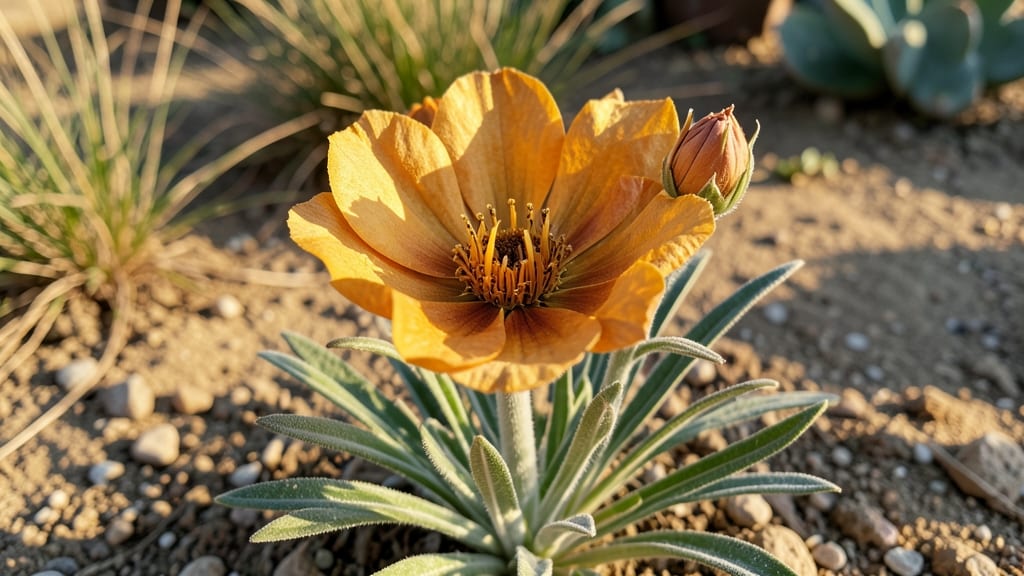
Strawflowers bloom for a stunning 4-5 months—that’s the strawflower bloom time of purple perfection in your garden from late spring all the way through frost. 🌸 I’ve grown them in both dry climates and humid zones, and they never fail to deliver, even when other flowers wilt under heat or drought.
The secret lies in their resilience and how you prep them for the long haul.
Most varieties start flowering in May or June, with peak blooms through summer, but the real magic happens in fall when other gardens are fading. Strawflowers thrive in zones 3-10, though cooler climates get a shorter bloom window unless you bring them indoors before frost.
The key is planting them in full sun and well-draining soil—they won’t tolerate soggy roots.
With the right care, you’ll get longer-lasting blooms that stay vibrant even after cutting. Their papery petals dry beautifully, too, making them perfect for arrangements that last for months. Pair them with lavender, yarrow, or ornamental grasses for a drought-tolerant, late-season garden that keeps giving.
Here’s the twist: if you snip spent blooms, you’ll often get a second flush of flowers in early fall. That’s how I’ve kept my strawflowers in bloom until November—even in colder regions. The hardier varieties, like ‘Mauve Queen,’ are especially reliable for this trick.
📚 In This Guide
- What you need
- Instructions
- Tips and common mistakes
- Wrapping up and next steps
What you need
- ● Strawflower seeds or seedlings: Choose Xerochrysum bracteatum varieties like 'Purple Dome' or 'Golden Dream' (purple/pink blooms last 6–12 months!). Quantity: 10–20 seeds for a small container or 50+ for a garden bed.
- ● Well-draining soil: Mix 50% potting soil with 50% perlite or coarse sand (strawflowers hate soggy roots!). For garden beds, amend clay soil with 1 part compost to 3 parts native soil.
- ○ Containers (optional but recommended): For pots: 5–7 inch diameter containers with drainage holes (1 plant per pot).
- ● For ground cover: Full sun exposure (6+ hours/day) in a well-draining area.
- ● Watering can or hose with a gentle spray nozzle: Strawflowers need minimal water—overwatering kills them!
- ● Pruning shears: Sharp, clean shears for trimming spent blooms (encourages reblooming!).
- ● Slow-release fertilizer: A balanced 10-10-10 or low-phosphorus option (apply once every 2–3 months in spring/summer).
- ● Mulch (gravel or pebbles): Top garden beds with 1–2 inches to retain moisture without suffocating roots.
- ● Drought-resistant companions: Pair with lavender, succulents, or yarrow for a low-maintenance purple paradise!
- ● Floral preservative (for cut blooms): Extends vase life by 2–3 weeks (mix 1 tsp sugar + 1 tsp bleach per quart of water).
How to extend strawflower bloom time for year-round color
Here's the method I use to keep my strawflowers blooming through frost—no greenhouse needed.
🌱 Step 1: Choose the Right Variety and Planting Site
Strawflowers thrive in full sun with well-draining soil, but not all varieties perform equally. I select Xerochrysum bracteatum cultivars like 'Moulin Rouge' or 'Golden Delicious' for their cold tolerance and long-lasting blooms. Plant in a location that gets at least 6-8 hours of direct sunlight daily—they won't rebloom well in shade.
Amend heavy or clay soil with 1-2 inches of compost to improve drainage. Strawflowers hate soggy roots, so if your soil stays damp for more than a few hours after rain, consider planting in a raised bed or container. I always test drainage by digging a hole, filling it with water, and checking if it drains within 30 minutes—if not, improve the site before planting.
☀️ Step 2: Time Planting for Maximum Frost Resistance
For year-round blooms, plant strawflowers in early spring, about 2-3 weeks before your last frost date. This gives roots time to establish before summer heat arrives. In warmer climates, you can also plant in early fall for winter color. Strawflowers are hardy to USDA Zone 8 and can survive light frosts if planted in well-draining soil.
Space plants 12-18 inches apart to allow airflow, which prevents fungal diseases that can shorten bloom time. I always plant in clusters of 3-5 plants for a fuller display—this mimics their natural growth habit and encourages longer flowering periods. Water deeply after planting to settle the soil around roots, but avoid overwatering, which can lead to root rot.
💧 Step 3: Water Strategically to Prolong Blooms
Strawflowers are drought-tolerant once established, but consistent moisture during their first growing season encourages stronger root systems. Water deeply once a week during the first month, then taper to every 10-14 days once roots are established. The key is to water at the base of the plant, avoiding the foliage to prevent mildew.
I check moisture by sticking my finger 1-2 inches into the soil—if it feels dry, it's time to water. Overwatering is the fastest way to shorten bloom time, as it stresses the plant and encourages leaf growth over flowers. In winter, reduce watering to every 3-4 weeks, only if the ground isn't naturally moist from snowmelt or rain.
✂️ Step 4: Deadhead and Prune for Continuous Blooming
Strawflowers bloom prolifically if you deadhead spent flowers regularly. Snip off faded blooms with clean pruners just above a set of leaves to encourage new growth. I do this every 2-3 weeks during peak bloom season to keep the plant focused on producing new flowers rather than setting seed.
In late summer, give your strawflowers a light pruning to remove any leggy or overgrown stems. Cut back one-third of the plant's height to promote bushier growth and more blooms. This is also the time to fertilize lightly with a balanced 10-10-10 fertilizer to support new growth. Avoid heavy feeding, as it can lead to excessive foliage at the expense of flowers.
⏰ Step 5: Protect from Frost and Extend the Season
To keep strawflowers blooming through winter, mulch heavily with 2-3 inches of straw or shredded leaves after the first frost. This insulates the roots and protects them from temperature fluctuations. In colder climates, consider covering plants with frost cloth during hard freezes, but avoid plastic, which can trap moisture and cause rot.
Strawflowers often rebloom in spring if left undisturbed, but if you want to encourage earlier blooms, trim back the plant by half its height in early spring. This removes any dead growth and stimulates new shoots. With proper care, your strawflowers can provide color from late summer through winter, making them one of the most reliable drought-proof perennials for long-lasting blooms.
Tips & tricks for extending strawflower blooms through winter
These practical insights will help you maximize your strawflowers' natural resilience and keep those vibrant blooms coming for months.
Sunlight Optimization: While the instructions mention 6-8 hours of direct sunlight, I've found that positioning your plants on the south or west side of your garden maximizes winter sun exposure. In shaded areas, supplement with a small grow light for 2-3 hours daily during overcast periods. This extra light can make the difference between sparse blooms and continuous color through late fall and winter.
Soil Drainage Test: The 30-minute drainage test mentioned in Step 1 is crucial—don't skip it! I've seen strawflowers fail spectacularly in poorly draining soil despite all other care. If your soil doesn't drain within 30 minutes, mix in 25% perlite or coarse sand by volume to create ideal conditions. This simple adjustment prevents the #1 cause of premature bloom decline.
Winter Watering Strategy: When reducing watering to every 3-4 weeks in winter, I recommend checking soil moisture before watering. Stick your finger 2 inches deep—if the soil feels damp, skip watering entirely. The goal is to maintain just enough moisture to prevent desiccation without encouraging rot. This balanced approach preserves root health while conserving water during dormant periods.
Frost Protection Layering: For the 2-3 inches of mulch recommended in Step 5, I layer 1 inch of straw first (for insulation) followed by 1-2 inches of shredded leaves (for moisture retention). This two-layer system creates an effective barrier against temperature swings. In extreme cold (20°F or lower), add a lightweight frost cloth over the mulch for additional protection without smothering the plant.
Pro Tips for Strawflower Bloom Time
- These practical insights will help you maximize your strawflowers' natural resilience and keep those vibrant blooms coming for months.
- Sunlight Optimization: While the instructions mention 6-8 hours of direct sunlight, I've found that positioning your plants on the south or west side of your garden maximizes winter sun exposure.
- Soil Drainage Test: The 30-minute drainage test mentioned in Step 1 is crucial—don't skip it!
Frequently asked questions
Got questions about timing, care, or those stunning strawflower blooms? We’ve got answers!
Here are some of the most common queries gardeners ask about strawflower bloom time—and how to make the most of them.
When do strawflowers typically bloom?
Strawflowers usually bloom from late spring to early fall (May–October in most U.S. zones), but their magic doesn’t stop there! With proper care, they’ll often rebloom in winter (especially in mild climates like Zones 7–10). Their papery petals last weeks after cutting—perfect for drought-friendly bouquets!
Can I extend strawflower bloom time?
To keep blooms lasting longer:
- Deadhead spent flowers to encourage new growth.
- Plant in full sun (6+ hours/day) for vibrant colors.
- Water deeply but infrequently—they’re drought-tolerant but hate soggy soil.
- Fertilize lightly in spring with low-nitrogen food (like 5-10-10).
Will strawflowers bloom in winter?
In warmer winter zones (7–10), strawflowers often surprise you with late-season or winter blooms! In colder areas (Zones 5–6), they may go dormant but rebound in spring. For year-round color, plant near a sunny wall or in a container you can move indoors during freezes.
Why aren’t my strawflowers blooming?
If your strawflowers are leafy but not flowering, check these fixes:
Not enough sun? Move to a sunnier spot (they need full sun to bloom).
Too much fertilizer? Cut back on nitrogen—it promotes foliage over flowers.
Overwatering? Let soil dry between waterings (they’re drought-resistant!).
Young plants? Strawflowers often wait 1–2 years to bloom fully.
Give them time—they’re worth the wait!What’s the best alternative for long-lasting winter blooms?
If strawflowers aren’t your vibe, try these drought-tolerant, winter-friendly bloomers:
- Ice Plant (Delosperma) – Thrives in heat/winter, blooms year-round in warm zones.
- Lavender – Fragrant, drought-proof, and blooms from spring to fall.
- Salvia (Salvia microphylla) – Purple spikes that last through mild winters.
- Ornamental Grass (Pennisetum) – Adds texture and movement without fading.
Wrapping up and next steps
Strawflowers are the ultimate low-maintenance superstars for gardeners craving year-round color with minimal fuss! Their drought-resistant nature and long-lasting blooms—even through winter—make them a dream for busy or eco-conscious plant lovers.
Whether you’re a novice or a seasoned gardener, adding strawflowers to your space is a rewarding and resilient choice that keeps giving.
Ready to bring these vibrant blooms into your garden? Start by selecting your favorite variety, prepping the soil, and giving them a sunny spot. Watch them thrive—and enjoy their beauty for months! 🌸✨