
Blooming
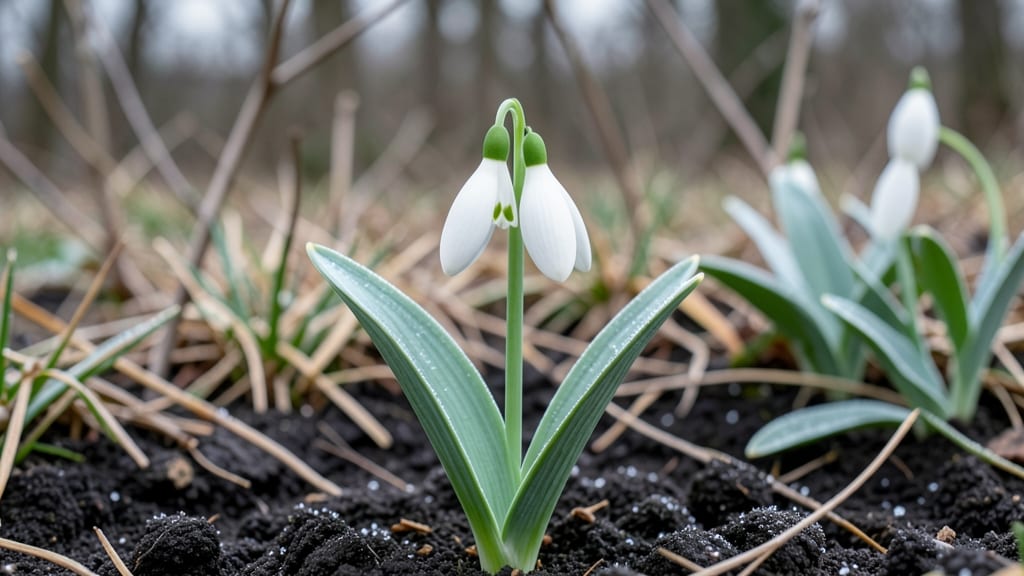
Snowdrops bloom at the time when most gardens are still under snow's icy grip—late winter to early spring, often as early as January in mild climates. 🌱 I've watched them push through frozen soil in my own yard, their delicate white bells signaling that spring is coming, even when the ground is still hard.
These hardy perennials thrive in cold weather, making them one of the first signs that winter’s grip is loosening. The exact bloom period depends on your region and microclimate. In warmer southern zones, they might bloom in January, while northern gardeners often see them in February or March.
A well-drained, slightly shaded spot with rich soil helps them bloom earlier and more reliably. They’re also one of the few plants that can bloom right after snowfall, adding a touch of hope to a still-winter landscape. Once established, snowdrops multiply quickly, creating naturalizing drifts that bloom for weeks.
Their early nectar is a lifeline for bees waking from hibernation, and their fresh, slightly sweet scent lingers in the crisp air. The key to keeping them happy is minimal care—just avoid disturbing their roots once planted.
Perfect for woodland gardens, under trees, or along north-facing walls where they’ll get just enough light. Their resilience makes them a low-maintenance choice for gardeners who want early color without fuss. Here’s how to make the most of their fleeting but magical bloom season.
📚 In This Guide
- What you need
- Instructions
- Tips and common mistakes
- Wrapping up and next steps
What you need
- ● Snowdrop bulbs (Galanthus spp.) – Choose hardy varieties like Galanthus nivalis (Common Snowdrop) or Galanthus elwesii (Giant Snowdrop). Aim for 10–20 bulbs per planting area (adjust based on desired coverage).
- ● Well-draining soil – Snowdrops thrive in moist but not soggy soil with a pH of 6.0–7.0. Amend heavy clay with compost or sand if needed.
- ● Organic mulch – 2–3 inches of shredded bark, straw, or leaf mold to insulate roots and retain moisture.
- ● Garden trowel or bulb planter – For precise planting at 2–3 inches deep and 3–4 inches apart.
- ● Watering can with a fine rose nozzle – To avoid disturbing bulbs during watering.
- ● Slow-release fertilizer (10-10-10) – A light sprinkle in early fall or spring to boost growth.
- ● Garden stakes or labels – To mark planting spots (especially useful for new varieties).
- ● Frost cloth (lightweight) – For early spring protection in harsh climates (remove during the day for airflow).
- ● Companion plants – Pair with heuchera, hellebores, or ferns for a low-maintenance woodland edge.
How to time snowdrop blooms for a winter garden show
These early bloomers thrive when you understand their natural rhythm—here’s how to predict and encourage their timeless winter display.
☀️ Step 1: Understand Snowdrop’s Natural Bloom Window
Snowdrops (Galanthus) bloom between late January and early March, often pushing through snow or frost. Their exact timing depends on your climate zone: in Zones 3-5, they may appear as early as December, while Zones 6-7 typically see blooms in February. I’ve seen them open in my garden when temperatures hover around 35-45°F—they’re hardy enough to survive light freezes, but heavy snow can delay flowering until conditions improve.
Watch for shoot emergence in late fall (October-November) as your first clue. These slender, grass-like leaves signal the plant is preparing for winter dormancy and next year’s bloom. In my experience, the earlier the shoots appear, the sooner you’ll see flowers—though this varies by variety. For example, Galanthus elwesii tends to bloom weeks before Galanthus nivalis.
🌱 Step 2: Plant in Ideal Conditions for Reliable Blooms
Snowdrops thrive in partial to full shade with well-draining soil—they despise soggy roots. Plant bulbs 3-4 inches deep and 4-6 inches apart in fall (September-October) for next year’s display. I always mix in a handful of sand or grit to improve drainage, especially in clay-heavy soils. Their natural habitat is woodlands, so mimic that by adding a 2-inch layer of mulch (like leaf mold or bark) after planting to insulate bulbs through winter.
Location matters: plant near deciduous trees where winter sun reaches the ground but summer shade protects roots. I’ve found that snowdrops planted under birch or maple trees bloom more reliably than those in open shade. Avoid disturbed soil—they prefer undisturbed conditions, so tuck them into borders or naturalized areas where they can spread undetected.
⏰ Step 3: Monitor Soil Moisture Without Overwatering
Snowdrops are drought-tolerant once established, but consistent moisture in their first growing season encourages strong blooms. Water deeply once a week during fall planting and again in early spring as shoots emerge, but stop once flowers appear. Overwatering in winter can rot bulbs, while drought stress delays blooming. I check soil moisture by pressing a finger 1 inch deep—if it’s dry, that’s your cue to water lightly.
Here’s the thing—snowdrops often bloom before the soil thaws. In my garden, I’ve seen them push through frozen ground in January. To protect emerging flowers, I gently brush away light snow but leave heavier accumulations—snow acts as insulation. If you’re in a warmer zone (Zone 8+), blooms may appear as early as December, but a hard freeze can stunt them. Mulch helps regulate soil temperature and prevents temperature swings that stress the plants.
🌿 Step 4: Encourage Future Blooms Through Proper Care
After blooming, never cut back foliage until it yellows and dies back naturally (usually 6-8 weeks post-bloom). This ensures the plant stores energy for next year’s flowers. I resist the urge to tidy up—those leaves are hard at work feeding the bulb. If you must clean up, wait until late May or June when leaves turn brown and crispy.
Snowdrops spread slowly but steadily through offsets (small bulbs that form alongside the main bulb). To encourage more blooms, avoid disturbing the area—they multiply best when left undisturbed. If you notice fewer flowers over time, it may signal overcrowding. Gently separate and replant offsets in fall to rejuvenate the patch. I’ve seen a single planting multiply into dozens of stems over 5-7 years with minimal care.
✂️ Step 5: Deadhead and Protect for Next Year’s Display
Once flowers fade, snip spent blooms at the base (but leave foliage intact). This redirects the plant’s energy into bulb development rather than seed production. I use clean, sharp scissors to avoid damaging new growth. If you’re growing snowdrops for cut flowers, harvest stems when 2-3 buds are just opening—they’ll last 5-7 days in a vase with cool water and a drop of bleach to prevent bacterial growth.
To extend their lifespan, plant snowdrops near early spring ephemerals like crocuses or hellebores. This creates a staggered bloom sequence that keeps your garden lively from January through April. In my garden, I pair Galanthus with **Helleborus and Eranthis* for a frost-defying color show. Just remember: snowdrops are not invasive, but they’ll naturalize beautifully if given space to spread.
Tips & tricks for perfect snowdrop bloom timing
Timing these winter wonders takes patience—but these tricks will help you predict and encourage their earliest possible arrival. Here's what I've learned after years of watching them push through frost.
Climate Zone Awareness: The 35-45°F temperature range mentioned in Step 1 is your best friend. In colder zones (3-5), snowdrops often bloom weeks earlier than in warmer areas (6-7). I've noticed that Galanthus elwesii varieties tend to break dormancy sooner than Galanthus nivalis—watch for those early shoots in October-November as your first indicator. In my Zone 5 garden, I mark the calendar when the first snowdrop leaves appear, knowing flowers will follow in 8-10 weeks.
Snow Management Strategy: Don't brush away all snow—heavy accumulations actually protect emerging blooms. I've seen snowdrops push through 6 inches of snow in my garden, but light dustings can be gently removed to reveal flowers. The key is watching for green tips peeking through—these are your first visible signs of spring. If you're in a milder zone (8+), you might see blooms as early as December, but be prepared for frost damage if temperatures drop below 28°F.
Post-Bloom Care Secret: Those 6-8 weeks of foliage after blooming are crucial for next year's flowers. I resist the urge to tidy up until late May or June when leaves turn completely brown. The leaves are busy converting sunlight into energy stored in the bulbs. If you must clean up, wait until all foliage has yellowed—this ensures your snowdrops will have enough reserves for another winter display.
Naturalizing Tips: Snowdrops spread through offsets, but they need time. I've found that planting them in undisturbed areas where they can naturalize creates the most dramatic displays. In Step 2, when planting 3-4 inches deep, add a handful of sand or grit to improve drainage—this prevents bulb rot and encourages more vigorous growth. After 5-7 years, a single planting can multiply into dozens of stems, creating a stunning woodland effect.
Pro Tips for Snowdrops Bloom Time
- Timing these winter wonders takes patience—but these tricks will help you predict and encourage their earliest possible arrival.
- Climate Zone Awareness: The 35-45°F temperature range mentioned in Step 1 is your best friend.
- Snow Management Strategy: Don't brush away all snow—heavy accumulations actually protect emerging blooms.
Frequently asked questions
When do snowdrops typically bloom?
Snowdrops usually bloom between late January and early March, depending on your climate. In milder regions, they may appear as early as December, while colder zones might see them in late February or March. These hardy blooms often emerge through snow or frost, making them a true sign of spring’s arrival!
Can snowdrops survive a late frost after blooming?
Yes! Snowdrops are incredibly frost-resistant. Their blooms can tolerate light frosts, and even heavy frost may only cause temporary wilting—they’ll often bounce back. However, prolonged extreme cold (below 10°F) might damage tender new growth. Plant them in sheltered spots for extra protection.
What if my snowdrops aren’t blooming this year?
Several factors could delay blooms: young plants (they take 2–3 years to mature), poor soil (they prefer well-draining, slightly alkaline soil), or lack of sunlight (partial shade is ideal). Check for pests (like slugs) or overcrowding. If conditions are right, they’ll likely bloom next year!
Are snowdrops toxic to pets or children?
Yes, snowdrops contain alkaloids that can cause mild stomach upset if ingested. Symptoms may include drooling, vomiting, or diarrhea. Keep them out of reach of curious pets or kids, especially if they chew on leaves or bulbs. Opt for pet-safe alternatives like heather or winter aconite if needed.
Can I force snowdrops to bloom indoors?
Forcing snowdrops indoors is tricky—they’re not as cooperative as paperwhites or hyacinths. However, you can try chilling potted bulbs in a fridge for 8–12 weeks, then moving them to a bright, cool spot (50–60°F). Success isn’t guaranteed, but patience might reward you with early indoor blooms!
Wrapping up and next steps
Snowdrops are nature’s bold promise that spring is on its way, even when winter still holds tight! 🌱 Their early bloom—often as early as late fall or December—makes them a magical sign of resilience and hope.
Whether you’re admiring them in a garden or planning your own early-season planting, their chilly-season charm is a reminder that beauty thrives in the most unexpected moments.
Ready to welcome these delicate blooms into your space? Start by marking their ideal bloom time in your local climate—then grab some bulbs and get planting! A little patience now will reward you with the first whispers of spring before anyone else even notices.