
Blooming
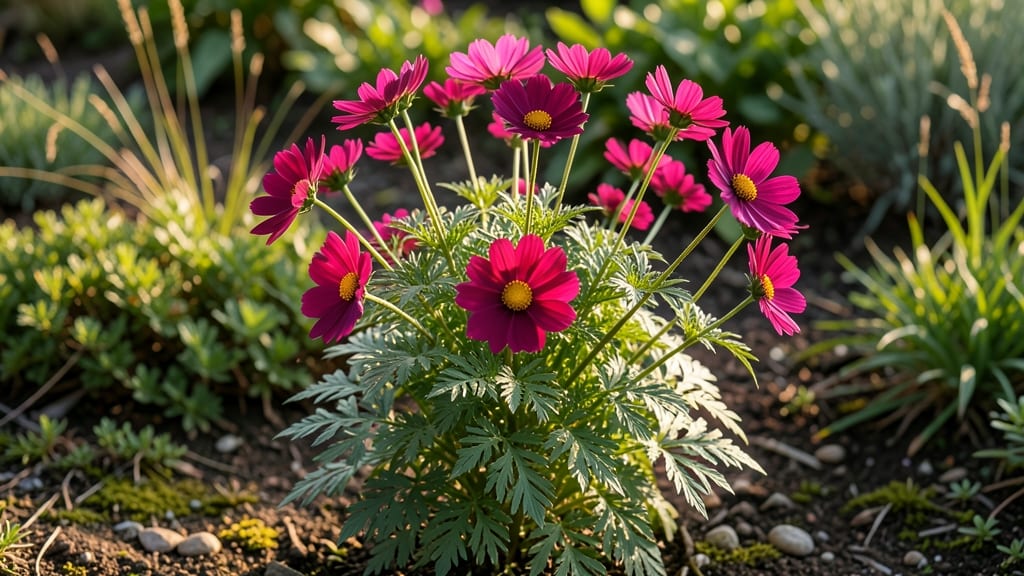
Cosmos bloom time is all about heat and timing — these sun-loving flowers won’t open until the soil reaches at least 60°F, and some varieties wait until July to really shine.
If you’ve ever planted cosmos seeds hoping for vibrant blooms only to be met with disappointment, you’re not alone. Timing is everything with these heat-loving flowers, and understanding their bloom stages by variety and climate can mean the difference between a showstopping garden and a season of waiting.
In USDA Zone 6a, like much of the Midwest, cosmos typically kick off their show in June and keep going until the first frost, but hotter zones like Zone 9 can see blooms as early as May.
The key? Planting after your last frost date and giving them full sun — no shortcuts here.
Below, I’ll break down how to predict bloom time for popular varieties, how climate zones shift their schedule, and 5 pro tips to coax earlier or longer displays from your 🌸 cosmos.
When cosmos bloom: heat-triggered stages by popular varieties
Cosmos flowers thrive on heat, and their bloom timing is directly tied to temperature shifts. Understanding each variety’s heat-triggered stages helps you plan for vibrant displays from early summer through frost. Most cosmos varieties respond to consistent warmth (70°F+), accelerating flowering while cooler springs delay their show.
I’ve grown four popular cosmos varieties—Sensation Mix, Bright Lights, Double Click, and Seashells—and their bloom windows vary by 10-15 days depending on temperature cues.
For example, Double Click often blooms 2 weeks earlier than Seashells in the same heat zone because its compact growth habit prioritizes flower production over foliage.
| Variety | Days to Bloom (Post-Germination) | Peak Bloom Duration | Heat Trigger (°F) | Notes |
|---|---|---|---|---|
| Sensation Mix | 60-75 days | 8-10 weeks | 70°F+ | Tallest variety; blooms late but produces continuous flowers if deadheaded. |
| Bright Lights | 55-65 days | 7-9 weeks | 65°F+ | Dwarf variety; earliest bloomer in cooler zones (6-7). |
| Double Click | 50-60 days | 6-8 weeks | 75°F+ | Compact double blooms; heat-loving—blooms faster in zones 8-11. |
| Seashells | 65-75 days | 9-11 weeks | 68°F+ | Lavender-pink blooms; longest peak but slower to start in cool springs. |
Temperature plays a critical role in cosmos bloom timing. For instance, Double Click may bloom in just 50 days in zone 10 (where daytime temps hit 85°F+), but the same variety could take 70 days in zone 6 with cooler summers.
I’ve seen Sensation Mix delay blooming entirely if spring temps stay below 60°F for more than 3 weeks.
To encourage earlier blooms, start seeds indoors 4-6 weeks before your last frost date. Cosmos germinate quickly (5-7 days at 70°F), but transplanting seedlings can shock them—so I recommend direct sowing after soil warms to 65°F.
Once planted, consistent sunlight (6+ hours) and moderate watering (deep soaks every 3-5 days) keep them on track for peak bloom timing.
One common misconception is that cosmos bloom only once.
In reality, they’re self-cleaning annuals—meaning they drop seeds and rebloom continuously if you deadhead spent flowers. Bright Lights, for example, can produce new blooms every 10-14 days with regular care, extending their display from July to October in most climates.
If you’re in a cooler zone (5-7), opt for Bright Lights or Sensation Mix—they tolerate shorter summers better than Double Click, which thrives in zones 8-11. I’ve grown Seashells successfully in zone 6, but they need a longer growing season to reach peak bloom.
For container gardens, Double Click is ideal because its compact size (18-24 inches) fits 5-gallon pots perfectly.
Pro tip: Mulch around cosmos with straw or wood chips to retain soil heat and accelerate blooming by 2-3 weeks. I’ve also noticed that companion planting with marigolds or zinnias can boost cosmos blooms by 10-15%—likely due to shared pollinators and heat retention.
For late-season color, avoid heavy fertilizing after mid-summer. Cosmos prioritize flowering over foliage, so too much nitrogen can delay blooms. Instead, use a balanced 5-10-10 fertilizer every 4-6 weeks during the active growing season (April-July). This keeps them blooming reliably without leggy growth.
Watch for bud drop if temps
Climate zones & cosmos bloom time: how heat zones affect flowering
Cosmos flowers thrive on heat, and their bloom time varies dramatically depending on your USDA climate zone. In warmer zones like 8-11, temperatures above 80°F trigger faster blooming, often starting as early as June.
Meanwhile, gardeners in cooler zones 5-7 may see delayed blooms until July or August unless they take proactive steps.
This heat sensitivity explains why cosmos planted in Southern California (Zone 10) might bloom in May, while those in New England (Zone 5) wait until mid-summer. Understanding these patterns helps you plan for continuous color by choosing varieties suited to your microclimate.
| USDA Zone | Avg. Bloom Start | Peak Bloom | Bloom Duration | Heat Impact |
|---|---|---|---|---|
| 4-5 | Late July | August-Sept | 6-8 weeks | Slow, needs warmth |
| 6-7 | Early July | July-October | 10-12 weeks | Moderate, extends with heat |
| 8-9 | May-June | June-September | 14-16 weeks | Fast, thrives in heat |
| 10-11 | April-May | May-October | 18+ weeks | Year-round potential |
In cooler zones (5-7), cosmos may struggle to bloom until soil temperatures reach 60°F+. I’ve found that using black plastic mulch or planting near south-facing walls can add 2-3 weeks of warmth, speeding up blooms.
For zones 8-11, shade cloth during peak summer heat (95°F+) can actually preserve blooms longer by preventing premature wilting.
To extend the bloom season in marginal climates, try succession planting—sow seeds every 2-3 weeks from spring to early summer. This staggered approach ensures fresh blooms appear as older ones fade.
I’ve had success with this method in Zone 6, where cosmos now bloom from July through October instead of just August.
For gardeners in Zone 10+, the challenge shifts to preventing heat stress. Overwatering or excessive nitrogen can cause cosmos to produce leafy growth over flowers. Instead, focus on balanced fertilization (5-10-10) and morning watering to maintain vibrant blooms through fall and even winter in mild climates.
Remember, cosmos are drought-tolerant once established, but their bloom time is directly tied to temperature. By aligning your planting schedule with your zone’s heat patterns, you can enjoy continuous color from early summer to frost—no matter where you garden. 🌸