
Blooming
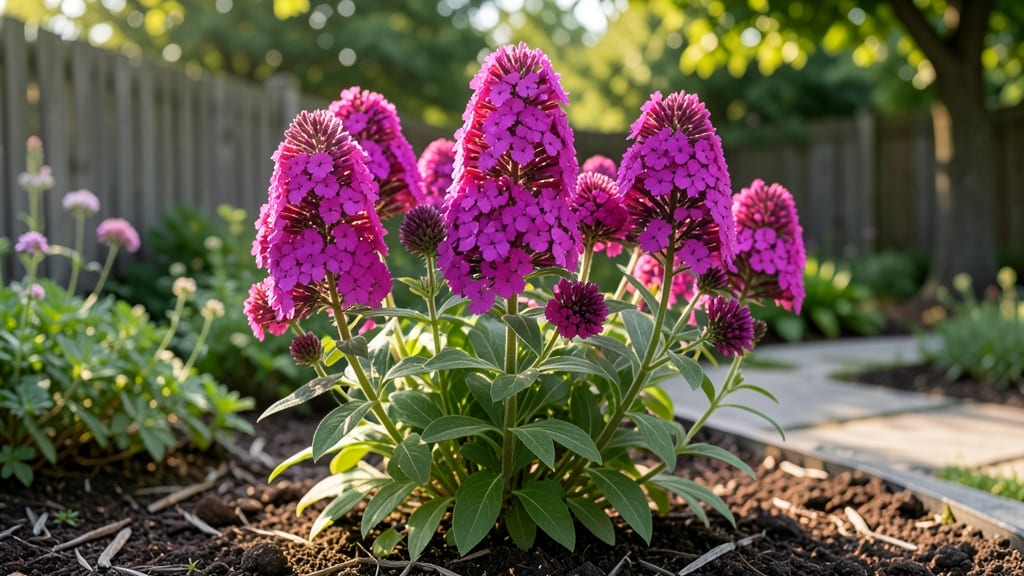
Phlox’s bloom time bursts into heat-triggered purple spikes just as summer settles in—my garden’s most reliable showstopper. 🌸 The timing isn’t random: these hardy perennials wait for soil temps to hit 60°F before waking from their winter nap, then reward patience with weeks of fragrant blooms.
What’s magic is how they stage a comeback every spring after frost, like clockwork.
The secret to their punctual performances? Full sun (6+ hours daily) and well-draining soil rich in organic matter. My phlox thrives in partial shade too, but the blooms stretch taller and denser when they bask in morning sunlight.
Prune back spent spikes in early summer to encourage a second flush—though some varieties, like tall garden phlox, focus their energy on one spectacular show.
You’ll recognize their readiness when new shoots emerge in late April or May, depending on your zone. The first buds appear in June, and with proper care, they’ll keep flowering until July or August, when heat waves finally push them into dormancy.
The fragrance alone—sweet and honey-like—makes the wait worthwhile.
For longer seasons, deadhead regularly and mulch heavily. In colder zones, the roots toughen up after frost, returning bigger and bolder next year. Whether you’re growing them in borders, containers, or wild meadows, phlox delivers reliable color with minimal fuss. Here’s how to coax their best performance every season.
📚 In This Guide
- What you need
- Instructions
- Tips and common mistakes
- Wrapping up and next steps
What you need
- ● Phlox plants: Choose Phlox paniculata (summer phlox) or Phlox subulata (spring phlox). Buy 3–5 healthy nursery starts or 100–200 seeds (if starting from seed).
- ● Well-draining soil: Aim for 2–3 cubic yards of a mix of garden soil, compost (50%), and perlite/sand (20%) for optimal drainage.
- ● Organic fertilizer: 10-10-10 or 5-10-10 NPK blend (apply 1–2 lbs per 100 sq ft at planting).
- ● Mulch: 2–3 inches of shredded bark or pine straw to retain moisture and regulate soil temp.
- ● Garden trowel or hand shovel for transplanting.
- ● Garden fork to loosen soil before planting.
- ● Watering can or hose with a gentle spray nozzle (avoid overhead watering to prevent disease).
- ● Pruning shears for deadheading spent blooms.
- ○ Gloves (optional but recommended for handling soil and plants).
- ● Slow-release fertilizer spikes for hassle-free feeding.
- ● Drip irrigation system to automate watering.
- ● Epsom salt (1 tbsp per gallon of water) for magnesium boosts in poor soil.
- ● Frost cloth to protect tender spring phlox in late frosts.
How to time phlox blooms for season-long purple spikes
Here's how I trigger those dramatic phlox spikes year after year—no guessing, just science.
☀️ Step 1: Understand Phlox's Heat-Triggered Bloom Cycle
Phlox blooms are temperature-sensitive, emerging only after consistent daytime temps above 65°F for at least 7-10 days. I watch my local weather forecast for the first stretch of 70°F+ days—that's when buds begin swelling. This usually happens in late spring, but exact timing varies by zone.
Here's the thing—phlox needs a cool winter dormancy period to reset its bloom cycle. If you live in a mild winter zone, blooms may appear later or be less abundant. I've seen phlox in Zone 7 bloom as early as April, while Zone 5 plants wait until May. The key is patience: don't prune back winter growth until you see new spring shoots emerge.
⏰ Step 2: Prune Strategically to Extend the Bloom Season
After the first flush of blooms fades (usually 6-8 weeks after initial flowering), I cut back stems by one-third to encourage a second bloom cycle. Use clean, sharp pruners and make cuts just above a set of leaves or buds. This prevents the plant from putting all its energy into seed production and redirects it toward new flower spikes.
Don't cut too late in the season—stop pruning by mid-summer (around August). After that, new growth won't have time to mature before winter. I always mark my calendar with the date I prune, so I remember to leave the plant alone afterward. You'll see new shoots emerge within 2-3 weeks if conditions are right.
💧 Step 3: Maintain Consistent Moisture Without Overwatering
Phlox thrives with 1-1.5 inches of water weekly, but the real trick is keeping the soil evenly moist—not soggy. I water deeply once a week during dry spells, checking soil moisture by pushing my finger 1 inch deep. If it feels dry, that's your signal to water. Overwatering causes root rot, while underwatering leads to weak, sparse blooms.
Here's what I do: water at the base in the morning so leaves have time to dry before evening. Avoid overhead watering, which can spread fungal diseases like powdery mildew. I've found that mulching with 2-3 inches of organic mulch helps retain moisture while protecting roots from temperature swings.
🌿 Step 4: Feed for Vibrant, Prolonged Blooms
Apply a balanced, slow-release fertilizer (10-10-10 or similar) in early spring as new growth appears. I use about 1 tablespoon per plant, working it into the top 2 inches of soil. This gives phlox the nutrients it needs for strong stems and abundant blooms. Avoid high-nitrogen fertilizers—they promote leafy growth at the expense of flowers.
For an extra boost, I add a low-dose liquid bloom booster (like fish emulsion) when buds first form. This encourages more vibrant purple spikes and extends the flowering period. Stop fertilizing by mid-summer to allow the plant to harden off before winter. You'll notice buds forming more vigorously after feeding, and the color will be deeper and more intense.
✂️ Step 5: Deadhead and Prepare for Next Year's Blooms
As flowers fade, I deadhead spent blooms by pinching off the entire flower spike down to the first set of leaves. This prevents seed formation and redirects energy into new growth. I do this weekly during peak bloom season—it sounds tedious, but it keeps the plant producing fresh flowers for weeks longer.
In late fall, after the first hard frost (when leaves turn brown), I cut back stems to 2-3 inches above ground level. This clears out dead growth and makes it easier to spot new spring shoots. I never remove all the foliage before frost—phlox needs that winter protection. In early spring, I'll add a 2-inch layer of compost around the base to replenish nutrients for next year's blooms.
Tips & tricks for perfect phlox bloom timing
Common pitfalls—and how to sidestep every one when working with these heat-sensitive bloomers.
Temperature Matters: Those 65°F and 70°F benchmarks aren't just arbitrary numbers—they're the biological triggers for phlox. I keep a small thermometer near my garden beds to track daily highs. If your mornings dip below 60°F even after daytime warmth, your buds may stay dormant. Consider using row covers for a few warm days to jumpstart the process if your spring is particularly cool.
Pruning Precision: That one-third cut in Step 2 is crucial, but timing matters just as much. I've learned the hard way that pruning too early (before the first flush fades completely) can stimulate new growth that won't have time to mature before winter. Wait until you see at least 20% of the original blooms wilted before cutting—this gives you that 6-8 week window to work with for the second bloom cycle.
Watering Wisdom: The 1-1.5 inches weekly guideline works for average conditions, but I've found phlox in full sun needs slightly more—up to 2 inches on hot days. The key is checking soil moisture at 1 inch deep every few days. If it's dry at that depth, water thoroughly. For container-grown phlox, I water every 3-4 days in summer because pots dry out faster.
Fertilizer Timing: That 1 tablespoon per plant of balanced fertilizer in early spring is just the start. I've noticed the most vibrant blooms come when I add a low-dose liquid bloom booster right when those first buds form—about 4-6 weeks after initial flowering. This second application gives you that extra punch of color without overloading the plant. Remember to stop by mid-summer to let the plant prepare for winter.
Pro Tips for Phlox Bloom Time
- Common pitfalls—and how to sidestep every one when working with these heat-sensitive bloomers.
- Temperature Matters: Those 65°F and 70°F benchmarks aren't just arbitrary numbers—they're the biological triggers for phlox.
- Pruning Precision: That one-third cut in Step 2 is crucial, but timing matters just as much.
Frequently asked questions
Got questions about when and how phlox blooms thrive?
Here are the most common concerns—plus quick, practical answers to keep your garden bursting with color year after year.
When is the best time to plant phlox for peak blooms?
Plant phlox in early spring (after the last frost) or early fall (6–8 weeks before frost). This gives roots time to establish before summer heat. For perennial types, spring planting ensures they’re ready to bloom in their first season, while fall planting avoids summer stress. Pro tip: Water deeply after planting to reduce transplant shock!
Why does my phlox bloom later than expected?
Phlox blooms are heat-triggered, so late spring or early summer frosts can delay them. If your phlox blooms tardy, check for:
- Cool soil (wait until nighttime temps stay above 50°F/10°C).
- Overcrowding (thin plants to improve airflow and sunlight).
- Poor drainage (soggy roots slow growth).
Can I extend phlox bloom time beyond summer?
Yes! Deadhead spent blooms regularly (every 2–3 days) to encourage reblooming. For longer seasons, choose reblooming varieties like ‘David’ or ‘Lipstick’ phlox, which flower in waves. Bonus: Trim back 1/3 of the plant after the first flush to prompt a second bloom in late summer!
Do phlox come back every year, or do I need to replant?
Most phlox are perennials and return yearly after frost—even in cold climates (USDA Zones 3–9). However, annual phlox (like ‘Dwarf Garden’ types) must be replanted each spring. Winter care: Cut back stems to 2–3 inches in late fall, but leave foliage until spring to protect roots!
Why are my phlox leaves yellowing or wilting?
Yellow leaves often signal overwatering or fungal issues (like powdery mildew). Check for:
- Soggy soil (phlox hate “wet feet”—amend soil with sand or gravel).
- Pests (aphids or spider mites).
- Nutrient deficiency (feed with balanced fertilizer in early spring).
Wrapping up and next steps
Understanding your phlox bloom time unlocks a world of vibrant purple beauty that graces your garden year after year! These hardy perennials thrive with a little frost and warmth, rewarding patience with stunning spikes of color.
Whether you’re a seasoned gardener or just starting, the key is observing their cues—like heat-triggered blooms—and providing the right care.
Ready to transform your garden? Try planting a few phlox varieties this fall and watch them flourish next spring! 🌸 For even more tips, explore our full guide on phlox care—your future blooms will thank you!