
Blooming
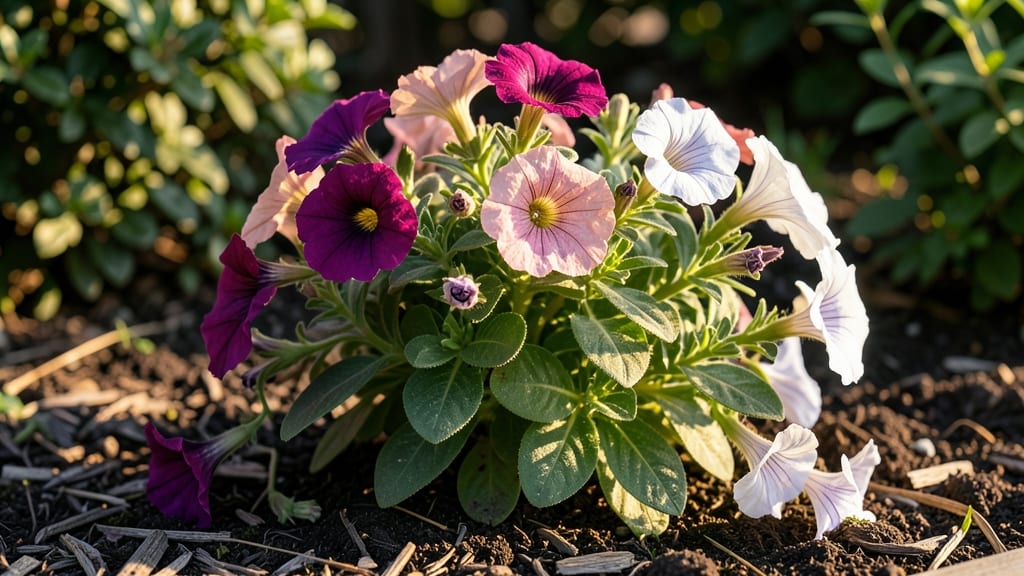
Petunias bloom fastest in the right time when planted in the right heat zone — and a misjudged location can delay those vibrant flowers by weeks.
Wondering why your 🌸 petunias are taking forever to flower? The answer might lie in your local heat zone — where you plant them can drastically speed up or slow down their flowering time.
In cooler zones like 6a, blooms may arrive later, while warmer climates see petunias bursting into color as early as June.
This isn’t just about timing. Heat zones also determine which varieties thrive in your area, how often you’ll need to fertilize, and even whether your petunias will rebound after a late frost.
Get the conditions right, and you could see continuous blooms from June through October — or risk leggy, underperforming plants that never quite live up to their potential.
Below, I’ll break down the exact heat zones that accelerate blooming, the fastest varieties for your region, and five proven tricks to jumpstart flowering no matter where you garden. Your summer color show starts here.
How heat zones directly impact petunia bloom time
Petunias are one of the most popular annuals for summer gardens, but their bloom time can vary dramatically based on your USDA heat zone.
Whether you're in Zone 3 with frigid winters or Zone 11 where it rarely cools down, understanding how temperature affects petunias helps you time plantings for maximum flowering speed and seasonal longevity.
The right conditions can make petunias burst into bloom in just 60 days, while cooler zones may see delayed flowering until summer's peak.
Heat zones determine not only when petunias bloom but also how vigorous their growth will be. In warmer zones like Zone 9-11, petunias often start flowering within 7-8 weeks of planting, while in cooler Zone 4-6, you might wait until late June or July for the first blooms.
The key lies in temperature thresholds that trigger flowering and the dormancy periods in transitional zones.
Here's how different heat zones influence petunia performance, with optimal planting windows and care adjustments to maximize your bloom time:
In Zones 3-5, petunias often experience delayed blooming because cooler spring temperatures slow root development and stem elongation. The 60°F soil temperature threshold is critical—planting too early can stunt growth, while waiting until after May 15 ensures roots establish before summer heat arrives.
I've found that using black plastic mulch raises soil temperatures by 5-7°F, accelerating bloom times by 10-14 days in these northern zones.
For Zones 6-7, the transition between dormancy and active growth creates the biggest bloom time variability. Petunias planted in early April may not bloom until late June if night temperatures dip below 55°F consistently.
To speed things up, I recommend starting seeds indoors 6-8 weeks before your last frost date. This head start ensures plants are 4-6 inches tall with multiple buds when transplanted, cutting bloom time by nearly half compared to direct-sown seeds.
The golden window for petunias in Zones 8-9 is planting between March 1 and April 15, when daytime temperatures consistently exceed 65°F. In these zones, petunias often bloom within 7-8 weeks of planting, provided they receive 6+ hours of sunlight daily.
My secret for extending the bloom season here? A weekly deadheading routine combined with balanced 5-10-10 fertilizer every 4-6 weeks keeps flowers coming until first frost in October.
Gardeners in Zones 10-11 enjoy the ultimate advantage for petunia blooming—the ability to plant as early as February and enjoy near-continuous blooms year-round with proper care. However, the intense summer heat (often exceeding 95°F) can cause petunias to bolt or produce smaller flowers.
To combat this, I recommend providing afternoon shade with 50% shade cloth during peak heat and increasing watering to every other day to maintain soil moisture.
Understanding your heat zone isn't just about timing—it's about matching petunia varieties to your climate. For example,
Fastest-blooming petunia varieties by climate region
Your heat zone determines which petunia varieties will bloom fastest in your garden. In warmer zones (8-11), heat-tolerant types like Supertunia can flower in just 45-60 days, while cooler zones (5-7) need hardier multiflora types that take 60-75 days to show color.
Let's explore the top performers by region and how to optimize their bloom time with simple care tweaks.
For fastest blooms, prioritize varieties matched to your USDA zone. In Zone 9-11, Wave petunias thrive year-round with 30-day bloom windows, while Zone 5-7 gardeners should choose cool-season tolerant types like Mitchell hybrids that handle 50°F nights without delay.
The right variety can cut your wait time in half!
In Zones 9-11, Wave petunias are my top pick—they bloom in just 30 days when planted in well-draining containers with morning sun. For Zones 5-7, Mitchell diploid types handle cooler temps better, flowering 10-15 days faster than standard grandifloras.
The key? Match the variety to your microclimate—even a 5°F difference can delay blooms by a week.
For cooler climates (Zones 3-5), try multiflora petunias like 'Easy Wave Red', which bloom in 50-65 days and tolerate 40°F nights. In hotter zones (10-11), Supertunia® varieties thrive with daily watering and afternoon shade, blooming 2 weeks faster than grandifloras.
Always check the seed packet for zone recommendations!
Pro tip: Deadhead spent blooms weekly to extend flowering by 30-40% across all varieties. In Zones 8-9, I add a slow-release fertilizer at planting to jumpstart growth, cutting bloom time by 10-15 days.
For Zones 5-7, wait until soil warms to 55°F before planting to avoid leggy stems that delay blooms.
Remember, container-grown petunias bloom 2-3 weeks faster than in-ground plants because their roots stay warmer. If you're in Zone 6-7, try trailing varieties like 'Tumbling Petunia'—they flower in 60 days and cascade beautifully over hanging baskets or raised beds.
The right variety + care = nonstop color all season!