
Blooming
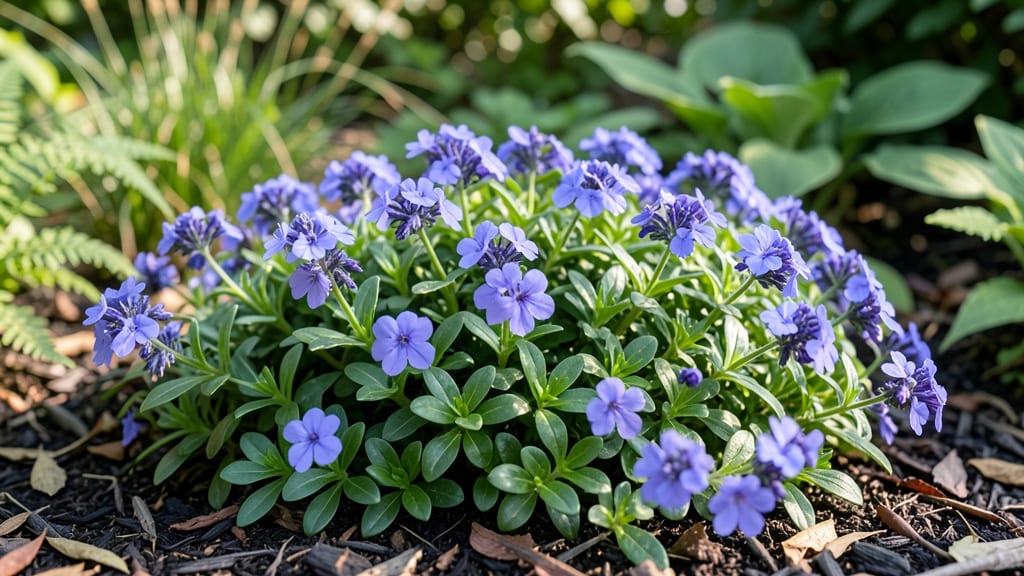
Your Vinca minor’s bloom time depends on variety, climate, and a few simple gardening tweaks—most burst into color between late spring and early summer, but some varieties can bloom as early as April or stretch into June.
Wondering why your 🌸 Vinca minor isn’t flowering when it should? The answer often lies in sunlight, soil, or even last year’s pruning habits. Too much shade? Too little fertilizer? These small adjustments can shift bloom times by weeks.
In cooler climates like USDA Zone 6a, expect blooms to start around mid-April for early varieties, while warmer regions may see flowers as early as March. The key is understanding your plant’s needs—partial shade, well-draining soil, and a light spring feed can make all the difference.
Below, I’ll break down the exact bloom windows for popular Vinca minor varieties, how to extend flowering, and the simple tricks that keep your plants blooming longer—no guesswork, just results.
Vinca minor bloom time by variety: exact months for common cultivars
If you're eager to see your Vinca minor transform into a carpet of vibrant blooms, timing is everything. While most varieties follow a similar spring-to-early-summer schedule, specific cultivars can bloom as early as March or as late as June, depending on your USDA zone and microclimate.
Understanding these differences helps you plan for seasonal color and even encourages second blooms with the right care.
For gardeners in USDA zones 5-9, the bloom window typically spans from late spring through early summer, but exact timing varies by variety. 'Hillside Blue', for example, often kicks off flowering in early April, while 'Illumination' may wait until May.
These differences matter if you're designing a garden with staggered blooms or hoping to extend your flowering season.
Below is a detailed breakdown of bloom times for popular Vinca minor varieties, including adjustments for cooler (zones 5-6) and warmer (zones 7-9) climates. Use this as your guide to predict when your plants will burst into color—and how to encourage longer displays.
Pro Tip: In warmer zones (7-9), some varieties like 'Argentea Variegata' may produce a second flush of blooms in fall if given proper care. In cooler zones, focus on early spring blooms and protect plants from late frosts.
Notice how 'Hillside Blue' and 'Argentea Variegata' often bloom earlier in warmer zones, while 'Illumination' and 'Gouyetta' may wait until May in cooler climates. This shift happens because warmer temperatures trigger earlier growth and flowering.
If you're in zone 5, expect delays of 2-4 weeks compared to zone 9 gardeners.
For gardeners in USDA zone 6, aim to plant 'Hillside Blue' or 'Alba' if you want early color. These varieties typically begin blooming by late April, giving you a head start on spring interest.
In contrast, 'Illumination' may not show flowers until mid-May, making it a better choice for mid-season displays.
One of the most exciting aspects of Vinca minor is its ability to naturalize and spread over time. Once established, many varieties will continue blooming for 6-8 weeks if given proper care.
To extend this period, I recommend deadheading spent blooms regularly—this simple task signals the plant to produce more flowers instead of focusing on seed development.
If you're growing 'Argentea Variegata' in zones 7-9, you might notice a second bloom cycle in fall, especially if temperatures remain mild. This is your plant's way of taking advantage of extended growing conditions. To encourage this, avoid heavy pruning in late summer and maintain consistent watering.
For container gardening, bloom times may shift slightly due to temperature fluctuations. Pots heat up faster in sun and cool down quicker at night, which can delay flowering by 1-2 weeks compared to in-ground plants.
If you're growing Vinca minor in containers, choose a larger pot (12+ inches) to stabilize soil temperatures and improve root development.
Remember, these bloom times are averages—your local microclimate can shift them by 2-4 weeks. Pay attention to your plant's cues: when you see new growth in early spring, blooms will follow within 4-6 weeks.
With the right variety and care, you can enjoy Vinca minor's cheerful blooms from April through June—and sometimes beyond!
How climate and location affect Vinca minor flowering timing
Your Vinca minor might bloom in early spring in USDA Zone 7, but that same plant could wait until late April in Zone 5. These shifts happen because temperature fluctuations and sunlight exposure trigger flowering.
In warmer climates like Zone 9, blooms may appear as early as February, while cooler regions push timing to May. Understanding these variations helps you set realistic expectations and plan your garden layout accordingly.
Regional microclimates play an even bigger role than general USDA zones. A south-facing slope in your yard could create a 2-4°F warmer environment than the surrounding area, causing your Vinca minor to bloom 2-3 weeks earlier.
Similarly, urban heat islands can delay flowering by creating unpredictable temperature swings that confuse the plant's natural rhythm.
⚠️ callout-warning
Never assume your Vinca minor will follow "typical" bloom charts. Last-spring-frost dates are the real predictor: plants need 4-6 weeks of consistent 50°F+ temperatures before blooming. Check your local National Weather Service frost maps—a 2-week frost delay can push blooms back by 3-4 weeks.
🌡️ Pro Tip: Use a minimum temperature calculator (like the USDA Plant Hardiness Tool) to input your exact location. This reveals hidden frost risks that standard zone maps miss.
Sunlight exposure creates another critical variable. While Vinca minor thrives in partial shade, too little light (<3 hours/day) can delay blooms by 4-6 weeks. Conversely, 6+ hours of direct sun in hot climates (Zone 8+) stresses the plant, causing late or sparse flowering.
The sweet spot? Morning sun + afternoon shade—this mimics the dappled forest light where Vinca minor originally thrived.
Elevation matters too. For every 1,000 feet you gain in altitude, temperatures drop 3.5°F, which can delay blooms by 1-2 weeks. Mountain gardeners in Zone 6 often see Vinca minor flowering in late May, while valley gardens at the same zone bloom in early April.
Use elevation-adjusted planting guides (available from your local cooperative extension) to fine-tune predictions.
Even within your yard, wind exposure affects timing. Plants in wind-sheltered spots (like near fences or buildings) bloom 1-2 weeks earlier because they experience less temperature fluctuation. Conversely, exposed areas can push blooms back by 3 weeks due to cold air pooling at night.
Test different locations by planting 3-5 cuttings in varied spots and track their bloom dates.
To predict your Vinca minor's exact bloom schedule, combine these factors: check your last-frost date, measure your sunlight hours, and note your elevation and microclimate. Then adjust the standard bloom window (April-June) by ±4-8 weeks based on your local conditions.
With this approach, you'll never be caught off guard by late or early blooms again! 🌿