
Blooming
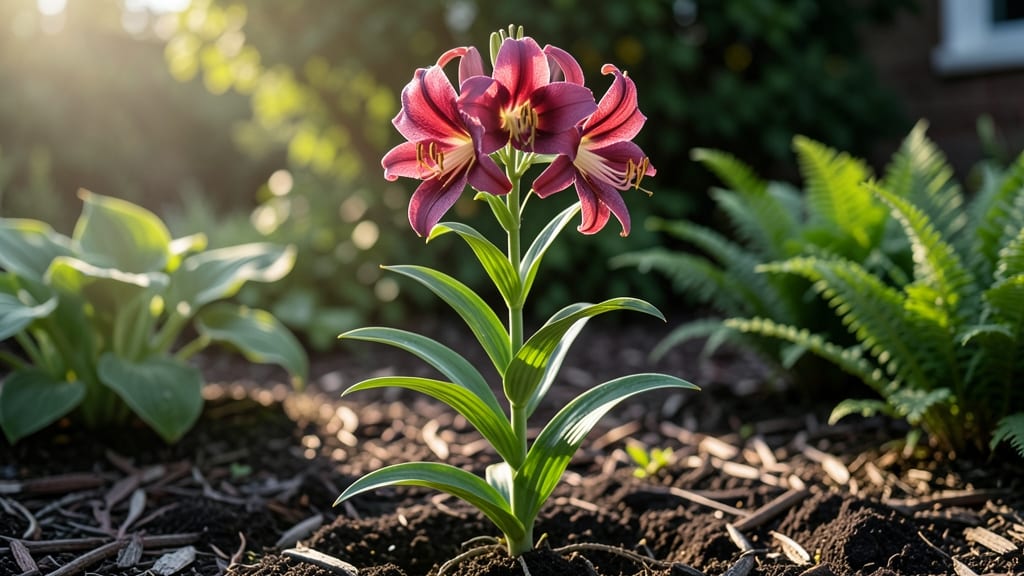
The oriental lily bloom time is a breathtaking spectacle that transforms your garden from late summer into early fall 🌸—but timing it right depends on more than just luck.
If you’ve ever wondered why your oriental lilies bloom at different times—or why some varieties never seem to flower—understanding their bloom cycles is the key to unlocking stunning, reliable blooms every season.
For gardeners in USDA Zone 6a, like me, the magic usually starts in August, with some late bloomers stretching into October. But climate, soil, and even how you plant can shift that window by weeks.
Below, I break down the month-by-month schedule for popular varieties, how to adjust for your zone, and the 3 simple care tricks that double your bloom time—no guesswork required.
When do oriental lilies bloom? Month-by-month timeline by variety
Oriental lilies are the showstoppers of late summer gardens, but their bloom times vary dramatically by variety and climate zone. Unlike their early-blooming cousins, these beauties typically burst into color from mid-July through September, but some early or late varieties can extend that window.
Knowing your specific lily type and USDA zone lets you plan for peak bloom periods and avoid disappointment.
For example, the iconic 'Stargazer' lily—with its dramatic pink and white stripes—usually blooms in late July to early August in most regions. Meanwhile, 'Casa Blanca', a pristine white variety, often flowers slightly later, around mid-August.
These timing differences matter if you're designing a garden for continuous color or coordinating with other plants.
Here’s the key insight: Climate zones shift bloom times. In cooler USDA Zones 3-5, oriental lilies may bloom 2-3 weeks later than in warmer Zones 9-10.
A 'Black Out' lily in Zone 4 might wait until early September, while the same variety in Zone 8 could bloom as early as late July. Understanding these variations helps you choose the right varieties for your garden’s timeline.
Below is a month-by-month breakdown of when to expect blooms from popular oriental lily varieties, adjusted for USDA Zones 3-10. Use this as your gardening calendar to mark when to expect those fragrant, trumpet-shaped blooms that make oriental lilies so beloved.
If you’re planning a sequential bloom garden, mix early, mid, and late varieties to ensure color from late June through September. For instance, pair 'Stargazer' (early) with 'Black Out' (late) to create a continuous display.
In Zones 9-10, where summers are long and hot, some varieties like 'Casa Blanca' may even rebloom if given proper care after their initial flush.
Pro tip: Planting time affects bloom timing. Bulbs planted in fall (6-8 weeks before ground freezes) typically bloom 1-2 weeks earlier than those planted in spring. This is because fall-planted bulbs establish roots earlier, giving them a head start in spring growth.
For Zone 3-5 gardeners, aim to plant bulbs by mid-October to ensure timely blooms the following summer.
Light exposure also plays a role. While oriental lilies thrive in full sun (6+ hours daily), those in partial shade may bloom 1-2 weeks later or produce fewer flowers.
If your garden is shady, choose dwarf varieties like 'Miracle', which tolerate 4-6 hours of sun better than their taller counterparts.
One common mistake is assuming all oriental lilies bloom at the same time. In reality, 'Connecticut King'—a stunning golden variety—often blooms 3-4 weeks after 'Stargazer'. This delay can be frustrating if you’re not prepared, but it’s also an opportunity to stagger plantings
How climate Zones affect oriental lily bloom time: a gardener’s guide
Oriental lilies are famous for their dramatic blooms, but their bloom time can vary wildly depending on your USDA climate zone. In Zone 3-5, gardeners often see blooms in mid-to-late summer, while those in Zones 6-8 enjoy flowers from July through September.
Meanwhile, warm Zones 9-10 may experience blooms as early as June or even staggered throughout the season. Understanding these differences helps you time planting and care strategies for reliable blooms.
The key to consistent oriental lily blooms lies in matching your planting schedule to your local climate. In cold zones (3-5), bulbs need a 12-16 week chilling period before spring growth. Conversely, warm zones (9-10) may require fall planting to avoid summer dormancy.
Even soil temperature plays a role—cool roots in Zone 6-8 can delay blooming if spring arrives too early. Let’s break down how to adjust your approach for your specific zone.
⚠️ callout warning
Oriental lilies need cold exposure to bloom. In Zones 9-10, planting bulbs in fall (Sept-Oct) mimics natural winter chilling. Skip this, and you’ll likely see no blooms—or just foliage. For Zones 3-5, plant in early fall (Aug-Sept) to ensure enough cold before spring growth.
💡 Pro Tip: Use mulch (4-6 inches) in Zones 6-8 to protect bulbs from winter thaw cycles, which can disrupt dormancy.
In cold climates (Zones 3-5), aim to plant oriental lily bulbs 6-8 weeks before your first frost—typically late August to early September. This gives them time to establish roots before winter. After 12-16 weeks of chilling, they’ll shoot in late spring and bloom in July-August.
If you’re in Zone 4-5, consider mulching heavily (straw or leaves) to insulate bulbs from freeze-thaw cycles, which can stress them and delay blooms.
Gardeners in temperate zones (6-8) have the most flexibility. Plant bulbs in fall (Oct-Nov) or early spring (March-April), but fall planting usually yields earlier blooms the following summer. These zones often see blooms from July through September, but late springs can push blooms into August.
To encourage longer bloom times, fertilize with balanced 10-10-10 in early spring and deadhead spent blooms to redirect energy to new flowers.
For warm climates (Zones 9-10), oriental lilies can be trickier. Plant bulbs in fall (Sept-Oct) to ensure they get natural chilling before summer heat arrives. Without this, bulbs may bolt to seed or produce no flowers.
In these zones, blooms often start in June-July and may continue into early fall. To extend blooming, provide afternoon shade in peak summer and water deeply weekly to prevent stress from heat.
If your oriental lilies skip blooming, don’t panic—it’s often fixable! First, check if bulbs got enough chill hours. In Zones 6-8, dig up bulbs after foliage dies back, store them in sphagnum moss at 40-50°F for 8-12 weeks, then replant in fall.
For overcrowded bulbs, divide clumps in early spring to improve airflow and nutrient access. Finally, ensure they’re in full sun (6+ hours)leggy stems and few blooms.
With the right zone-specific care, your oriental lilies will reward you with bold, fragrant blooms season after season. Whether you’re battling early springs, hot summers, or harsh winters, adjusting your approach ensures these showstoppers never disappoint. 🌸