
Blooming
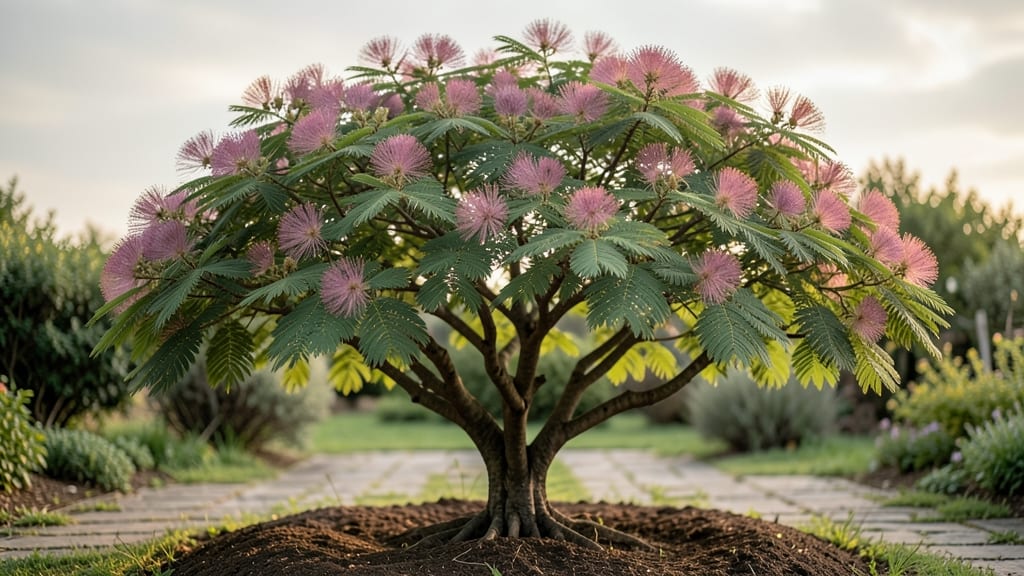
The mimosa tree blooms for just 24-48 hours each spring, turning your yard into a fragrant pink cloud—but only if you time it right.
If you’ve ever dreamed of waking up to the sweet, honey-like scent of mimosa blossoms, timing is everything. These delicate flowers bloom for a fleeting window, leaving behind only fuzzy seed pods.
The secret to catching their beauty? Understanding how your local heat zone determines when—and if—your mimosa tree will burst into fragrant pink spikes.
In USDA Zone 6a, where many gardeners plant mimosa trees, blooms typically arrive in late spring, around April to May, when soil warms and daylight stretches.
But in warmer zones, like Zone 8 or 9, mimosas may bloom as early as March or even late February, while colder climates might delay flowering until June.
Below, I’ll break down how to predict your mimosa’s bloom time based on your zone, plus pro tips to encourage longer, more frequent blooms—so you’re never left waiting for that signature scent again.
Mimosa tree bloom time by USDA heat zones: when to expect fragrant flowers
Your mimosa tree (Albizia julibrissin) transforms your yard into a fragrant paradise—but only for 24-48 hours each bloom cycle. The timing of these pink, fuzzy flowers hinges entirely on your USDA heat zone, with cooler climates triggering blooms weeks earlier than warmer regions.
Understanding these patterns helps you plan for the fleeting spectacle and even encourage more frequent blooms.
In USDA zones 5-7, mimosa trees typically bloom between late April and early June, aligning with the first warm spells after winter dormancy. Meanwhile, trees in zones 8-11 may bloom as early as February or March, or even sporadically year-round in the warmest areas.
The key factor? Temperature fluctuations—mimosas need a period of cool winter chilling (below 45°F) followed by a sudden warm snap to trigger flowering.
🌱
| USDA Zone | Typical Bloom Window | Trigger Conditions | Notes |
|---|---|---|---|
| Zones 5-6 | Late April - Early June | 50-60°F nights + 70°F+ days | Needs full winter dormancy |
| Zone 7 | Mid-April - Mid-May | 45-55°F chilling + 65°F+ spikes | Blooms may repeat in fall |
| Zones 8-9 | February - March | Mild winters + 60°F+ days | May bloom year-round |
| Zone 10-11 | January - April (sporadic) | No winter chill needed | Blooms triggered by rain |
If you live in USDA zone 7 or cooler, your mimosa’s blooms often coincide with early spring rains and warmer daytime temperatures. These conditions break the tree’s winter dormancy, prompting the rapid growth of flower buds that unfurl within 7-10 days.
In contrast, zone 10-11 gardeners may see blooms triggered by sudden rain showers rather than seasonal shifts, as these trees lack the winter chilling requirement.
The 24-48 hour bloom window is non-negotiable—once those pink pom-pom flowers open, they’ll only last one to two days before wilting into fuzzy seed pods. This fleeting display is why mimosa trees are called the "sensitive tree," as their blooms close by midday or after light rain.
To maximize your chances of witnessing them, monitor local weather forecasts for warm nights (above 55°F) followed by sunny days (70°F+).
Temperature fluctuations also play a critical role in bloom frequency. In cooler climates (zones 5-7), mimosas typically bloom once per year in spring, while warmer zones (8-11) may experience two bloom cycles: one in early spring and another in late summer or fall.
The contrast between cool nights and warm days signals the tree to produce flowers, so microclimates (like urban heat islands) can shift bloom timing by weeks.
For gardeners in transition zones (7b-8a), bloom timing can be unpredictable. If your mimosa skips a year, it may need additional winter chilling. Try wrapping the root zone in burlap during cold snaps or misting the foliage on warm winter nights to simulate chilling.
Conversely, overwatering in summer can delay blooms by stressing the tree, so aim for deep watering every 7-10 days once established.
Pro tip: Prune your mimosa in late winter (just before buds swell) to encourage new growth and more flower buds. Avoid heavy pruning after blooms, as this removes next year’s flowering wood.
In warmer zones, you might see secondary blooms on new growth if you lightly trim the tree in early summer—just don’t overdo it, or you’ll sacrifice next year’s main bloom cycle.
🌿
Ever wondered why your neighbor’s mimosa blooms weeks before yours? It’s likely due to localized heat differences. A south-facing yard or urban heat island effect can advance bloom time by 10-14 days compared to shaded or rural areas.
To encourage earlier blooms, plant your mimosa in the sunniest spot possible and avoid late-season fertilizing, which promotes leafy growth over flowers. The goal is to mimic natural seasonal cues—just like wild mimosas rely on spring temperature shifts to bloom.
How to maximize mimosa bloom time: pruning, sunlight, and soil secrets
Your mimosa tree (Albizia julibrissin) can produce those iconic pink, fuzzy blooms for years—but only if you give it the right conditions.
The key? Strategic pruning, full-sun exposure, and well-draining soil with a slightly acidic pH. Mimosa trees naturally bloom in late spring, but with the right care, you can encourage longer bloom seasons and more frequent flowering.
First, let’s address the biggest misconception: mimosa trees don’t need heavy pruning to bloom. In fact, over-pruning can stress the tree and reduce flowering. Instead, focus on light shaping and deadwood removal at the right times.
The secret to maximizing blooms lies in timing your pruning and balancing water stress—just enough to trigger flowering without harming the tree.
Pruning & Care: Pros and Cons for Mimosa Blooms
✅ DO THIS
- Prune in late winter (before buds swell) to remove dead or crossing branches.
- Use sharp, sterilized shears to make clean cuts just above a bud or branch collar.
- Ensure 6+ hours of full sun daily—partial shade delays or reduces blooms.
- Water deeply but infrequently (once weekly for established trees) to encourage root stress that triggers blooming.
- Test soil pH—aim for 6.0-7.0 (slightly acidic to neutral) for optimal nutrient uptake.
❌ AVOID THIS
- Pruning after blooming—this removes next year’s flower buds and reduces future blooms.
- Over-fertilizing with high-nitrogen (e.g., lawn fertilizer)—this promotes leafy growth over flowers.
- Planting in heavy, compacted soil or areas with poor drainage.
- Watering daily or shallowly—mimosa trees need drought-like conditions to trigger blooming.
- Ignoring pest/disease signs (e.g., aphids, powdery mildew)—these weaken the tree and reduce flowering.
Let’s start with pruning, the most critical factor for mimosa bloom time. Late winter pruning (February-March in most zones) is your best bet. This is when the tree is dormant but about to wake up—perfect for removing deadwood and shaping the canopy without disturbing next year’s flower buds.
Avoid pruning in summer or fall, as this can stunt new growth and delay blooming.
Next, sunlight is non-negotiable. Mimosa trees are full-sun lovers and will barely bloom in partial shade. If your tree isn’t flowering, check its location: it needs at least 6 hours of direct sunlight daily.
In USDA zones 7-9, this might mean planting on the south or west side of your property to avoid afternoon shade. For container-grown mimosas, rotate the pot every few weeks to ensure even sun exposure.
Don’t overlook soil conditions, either. Mimosa trees thrive in well-draining, slightly acidic soil (pH 6.0-7.0). If your soil is too alkaline (common in many suburban areas), blooms will be sparse. Test your soil with a home pH kit and amend with sulfur or peat moss if needed.
Also, avoid heavy clay soils—these can suffocate roots and stress the tree, leading to fewer blooms.
Finally, watering techniques play a surprising role. Mimosa trees are drought-tolerant once established, but they need occasional deep watering to encourage blooming. Water deeply once a week (or every 10 days in summer) rather than shallowly daily.
This mimics natural drought stress, which triggers the tree to produce more flowers. Just be careful not to overwater—soggy soil leads to root rot and zero blooms.
With these pruning, sunlight, and soil secrets, your mimosa tree should burst into fragrant pink blooms for weeks instead of just a day or two. The key is balance: give it enough sun and water to thrive, but not so much that it skips flowering.
Soon, you’ll be the envy of the neighborhood with a mimosa tree that blooms like clockwork! 🌿