
Blooming
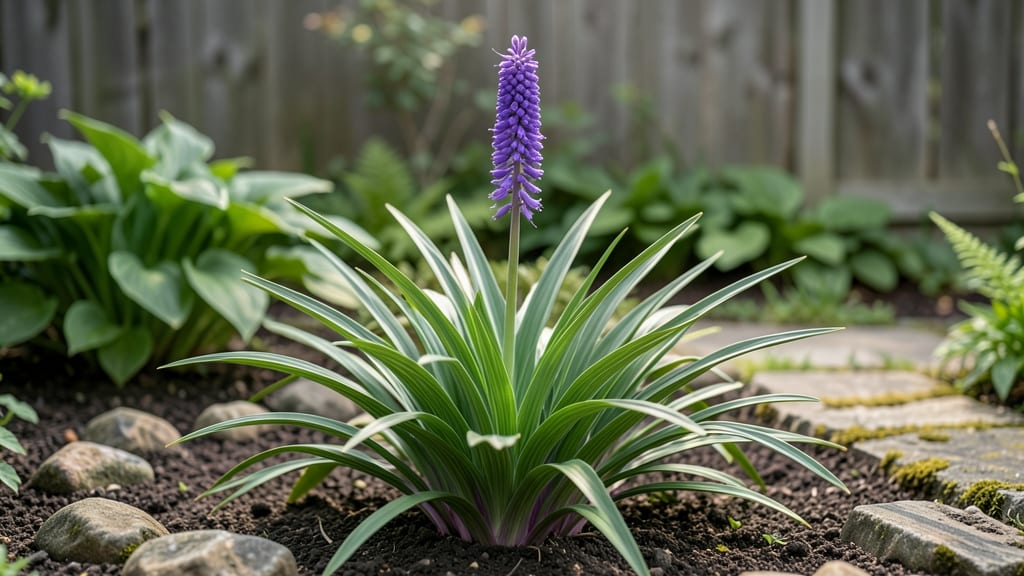
The liriope bloom time during late summer to fall marks the moment when the air cools and the purple edges you love reappear after summer’s heat.
Struggling to predict when your liriope’s striking purple edges will bloom again after summer’s scorching heat? Timing these blooms isn’t just about aesthetics—it’s about understanding your plant’s seasonal rhythm and environmental cues.
In USDA Zone 6a, liriope typically blooms from August through October, but heat waves, drought, or poor soil can delay or even prevent flowering. The key to encouraging healthy blooms lies in light, water, and soil conditions—and knowing how to adjust care for your climate.
Below, I’ll break down the exact months to expect blooms, why heat stress stops flowering, and simple tricks to extend the bloom window—so you can enjoy those vibrant edges for weeks longer.
Liriope bloom time: exact months & seasonal patterns by US climate zones
Predicting when your liriope's iconic purple blooms will appear can feel like guessing—until you factor in your USDA climate zone.
These hardy grass-like perennials typically bloom in late summer to fall, but heat waves, humidity shifts, and even soil moisture can push those spikes of lavender flowers weeks earlier or later.
Understanding these patterns helps you adjust care and anticipate the stunning contrast of purple blooms against green foliage.
In cooler northern zones (5–7), liriope often waits until mid-to-late August to bloom, while warmer southern zones (8–10) may see flowers as early as July. The key difference?
Heat stress in Zone 9–10 can delay blooms until September or October if summer drought persists. Let’s break down the exact months and how to optimize care for each zone.
| USDA Zone | Typical Bloom Window | Heat Wave Impact | Care Adjustment |
|---|---|---|---|
| 5–6 | Late August–September | Minimal; cool nights trigger blooms | Light spring feed; mulch in early summer |
| 7 | Mid-August–October | Early heat may advance blooms to July | Increase water in June; prune spent blooms |
| 8 | July–September | Prolonged heat delays until September | Deep water every 5–7 days; shade cloth in peak summer |
| 9–10 | August–October (or delayed to November) | Extreme heat (100°F+) halts blooms until monsoon rains | Morning watering; fertilize after first rains |
If you’re in Zone 5–6, your liriope likely blooms in late August to September, aligning with cooler nights that signal the plant to flower. The purple spikes emerge gradually, starting from the center and spreading outward.
To encourage this timing, focus on spring fertilization and consistent moisture—but avoid overwatering in summer, which can stress roots and delay blooms.
For Zone 7 gardeners, blooms often arrive in mid-August, but early heat waves can push them to July. Pay attention to your liriope’s foliage color: if leaves turn yellowish-green, it’s a sign of heat stress.
Reduce water slightly in July to harden the plant, then resume normal care as temperatures drop. Prune back spent blooms in late fall to keep the plant tidy for next year’s display.
In Zone 8–10, where summers are long and intense, liriope blooms can be unpredictable. A heat wave above 95°F often pauses flowering until September or October, when cooler nights return.
To mitigate delays, mulch heavily in early summer to retain moisture, and provide afternoon shade during peak heat. In Zone 10, where summers never truly end, blooms may stretch into November if conditions are ideal.
One pro tip for all zones: Deadhead spent blooms by cutting them back to the foliage level after flowering. This redirects the plant’s energy to root and foliage growth, ensuring a stronger display next season.
Avoid cutting into the green leaves, as this can weaken the plant. For Zone 9–10, this task is best done in late fall to avoid encouraging new growth during winter.
If your liriope skips blooming entirely, check for overcrowding or poor soil drainage. These plants thrive in well-draining soil with partial sun, so amend heavy clay with compost or sand if needed.
In containers, ensure pots have drainage holes and use a lightweight potting mix to prevent root rot, which can also suppress flowering.
For gardeners in transition zones (e.g., Zone 7b–8a), blooms may span July to October, creating a prolonged display. To extend the season, divide clumps every 3–4 years in early spring.
This rejuvenates the plant and often triggers earlier and more abundant blooms. Just avoid dividing in fall, as new roots won’t establish before winter.
Finally, don’t panic if your liriope blooms late or not at all. These plants are resilient, and with the right care, they’ll bounce back. Focus on soil health, proper watering, and seasonal adjustments, and you’ll enjoy those vibrant purple blooms year after year—no matter your zone.
Why liriope stops blooming after heat stress: root causes & fixes
After summer’s brutal heat waves, your liriope’s signature purple edges might vanish faster than you expect. This isn’t just a seasonal slowdown—it’s a stress response that can disrupt blooming for months.
When temperatures soar above 90°F (32°C), liriope enters survival mode, redirecting energy away from flower production. The result? Fewer blooms or none at all in the following season.
Understanding this physiological shift is key. Unlike annuals that bloom once and die, liriope is a perennial grass that stores energy in its rhizomes. When heat stress hits, these underground reserves get depleted faster than they regenerate.
Without intervention, your plant might skip blooming entirely next year, leaving you staring at lush foliage but no purple spikes.
Your liriope’s bloom window (late summer/fall) can shift by 4-6 weeks after heat stress. If temps exceed 90°F (32°C) for 3+ weeks, expect delayed or reduced flowering. The fix? Adjust care immediately—don’t wait for cooler weather.
One of the most common triggers is nutrient depletion. Heat accelerates microbial activity in the soil, causing essential nutrients like phosphorus and potassium to leach away. These are critical for flower bud formation.
Without them, your liriope might produce leaves but skip the blooms entirely. Even worse, root shock from inconsistent watering during heatwaves can sever the rhizome network, further stalling flower production.
To revive blooms, start with a deep soil test in early fall. Look for pH levels between 6.0–7.5 and replenish depleted nutrients with a balanced fertilizer (10-10-10). Apply it 6–8 weeks before your typical bloom time to give roots time to absorb nutrients.
Pair this with mulching (2–3 inches) to insulate roots and retain moisture—this mimics the plant’s natural dormancy cues.
Your watering schedule also needs an overhaul. During recovery, deep watering (1–2 inches per week) is non-negotiable. Shallow watering encourages weak roots that can’t support blooms. Use a soaker hose in the morning to avoid fungal issues, and avoid overhead sprinklers that evaporate quickly in heat.
Pro tip: Water when soil is 2–3 inches dry—not bone-dry, not soggy.
Finally, prune strategically in late summer to redirect energy. Cut back 1/3 of the oldest leaves to stimulate new growth and flower production. Avoid heavy pruning in spring—this is when liriope is already gearing up for blooms.
Pair pruning with a light foliar spray of seaweed extract to boost resilience. With these fixes, you’ll see purple spikes return within 8–12 weeks.
Don’t let heat stress rob you of liriope’s signature blooms. The secret to revival lies in soil health, consistent water, and timely pruning. Start these adjustments now, and your garden will thank you next bloom season. 🌿